■ Presentation on ‘ACL Rehabilitation Strategies’ at International AT Conference
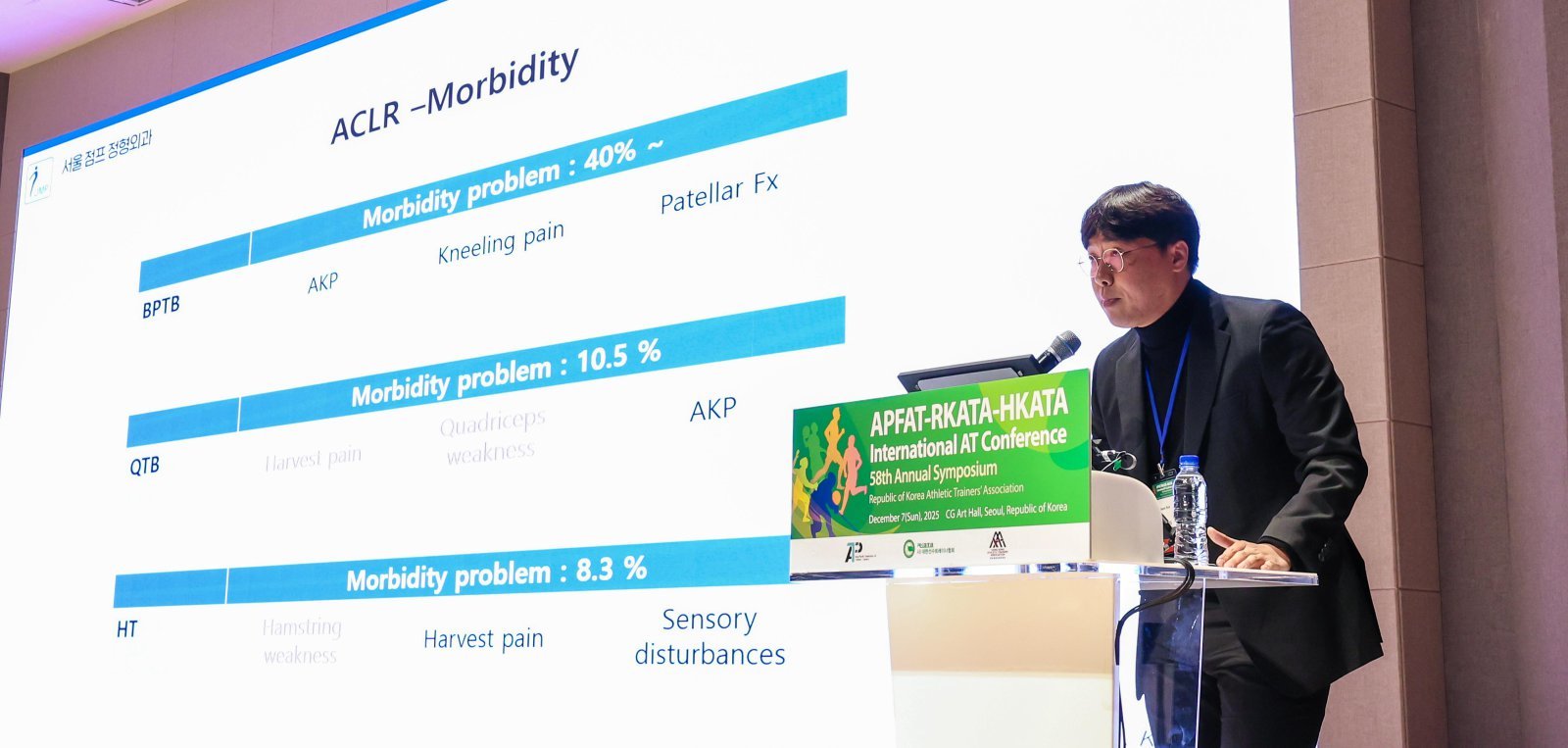
Seoul Jump Orthopedic Clinic participated in the RKATA (Rehabilitation Korea Athletic Trainers Association) International AT Conference held on the 7th and delivered an academic presentation on rehabilitation strategies according to graft (tendon) types after anterior cruciate ligament (ACL) reconstruction. The presentation compared the characteristics of major grafts such as the patellar tendon, hamstring tendon, and quadriceps tendon, and, based on the latest research findings, explained that depending on graft selection, the recovery speed, pain patterns, sites of muscle weakness, and risk of re-rupture may differ. It also presented rehabilitation protocols and stepwise considerations by graft type, sharing rehabilitation guidelines that can be applied in clinical and sports settings. Seoul Jump Orthopedic Clinic stated that this presentation has strengthened its expertise in the field of sports rehabilitation and that it will continue to reflect evidence-based treatments in clinical practice.
■ KMDS shares research on ‘transcranial magnetic stimulation’ for Parkinson’s disease
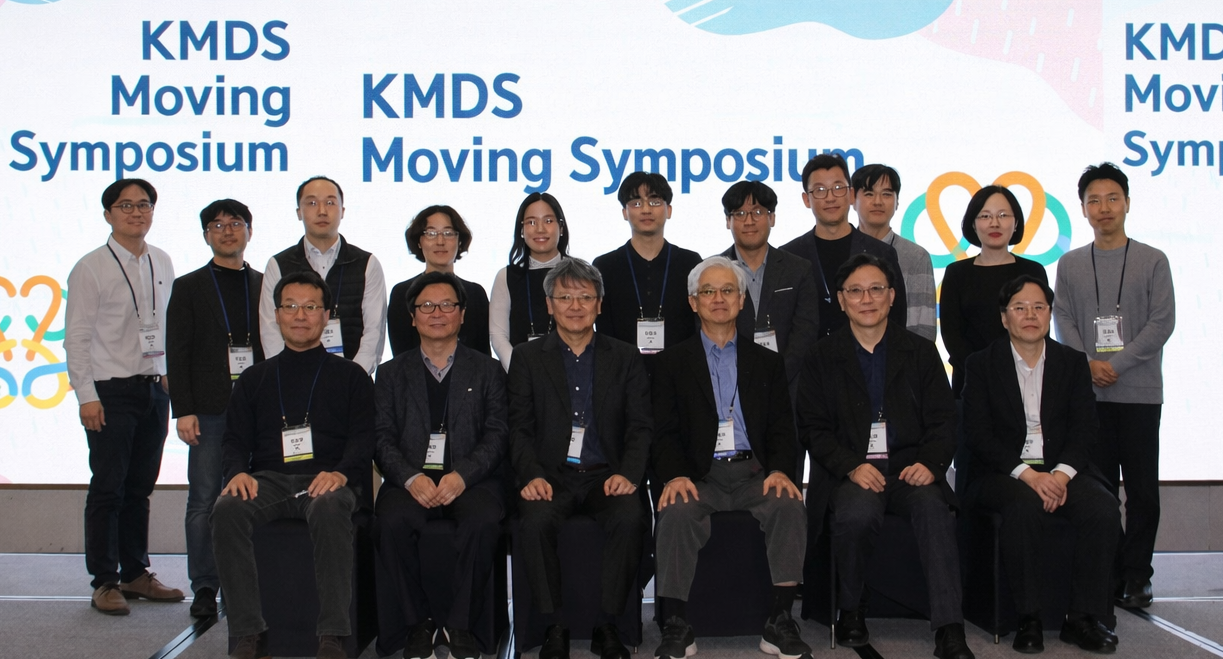
The Korean Movement Disorder Society (KMDS) held the “KMDS Moving Symposium” in Busan on the 19th and shared the latest achievements in Parkinson’s disease treatment and gait research. At the symposium, study results on repetitive transcranial magnetic stimulation (rTMS) in patients with Parkinson’s disease were presented, suggesting its potential as a noninvasive therapeutic strategy that can complement pharmacotherapy. Improvement in motor function was observed in some patients, and the need for large-scale clinical trials was raised.
In addition, the KMDS Gait Research Group proposed the concept of “mild gait impairment” based on age-specific normal gait data for Koreans. This concept was introduced as a criterion for the early recognition of initial signs of aging or neurodegenerative diseases, emphasizing the importance of fall prevention and early intervention. The current status of developing tailored exercise programs for patients with Parkinson’s disease was also introduced. KMDS plans to use this symposium as a springboard to further advance clinical application and research sophistication.
■ KRW 1 billion provided to 340 patients with lung and breast cancer and others
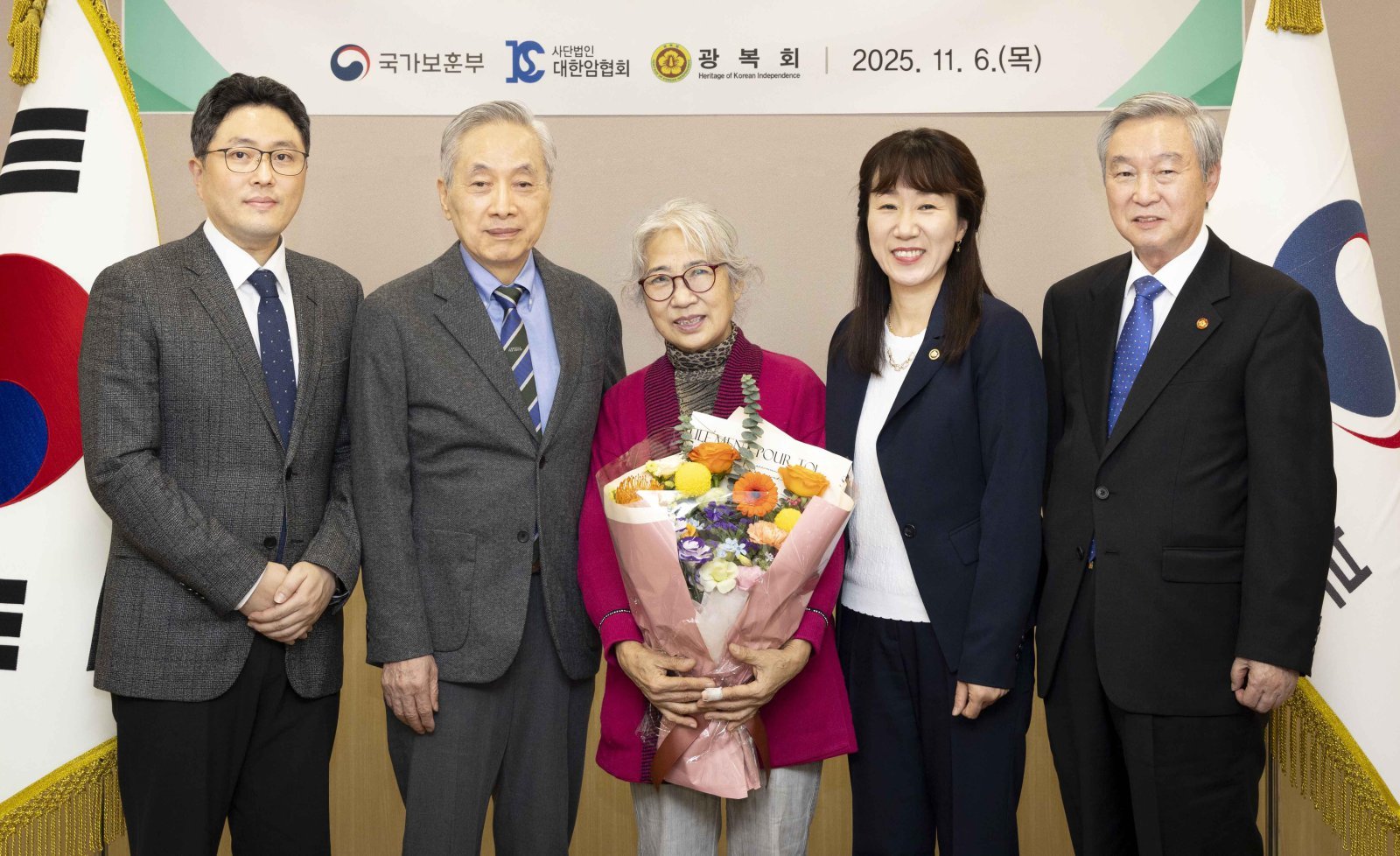
The Korean Cancer Association announced the outcomes of “2025 Searching in the Dark with Cancer Season 2,” a program conducted with support from the Yuhan Foundation, and stated that it will expand integrated support that encompasses life after treatment next year as well. This program is characterized by viewing cancer not as an individual patient’s problem but as a crisis for the entire family and by expanding support from treatment costs to livelihood-based assistance. It supported 340 patients with major cancers such as lung cancer, breast cancer, and colorectal cancer, and operated a program to support fertility-preserving procedures in response to the increase in young cancer patients. It also provided tailored treatment-cost support for cancer patients who are firefighters or bereaved family members of independence patriots, and strengthened assistance for daily life recovery, including home-organization services.
■ MASH therapy candidate improves liver fat, fibrosis, and metabolic markers
J2H Biotech announced that its MASH (metabolic dysfunction-associated steatohepatitis) therapeutic candidate “J2H-1702” simultaneously improved liver fat, liver enzymes, fibrosis, and metabolic markers in a Phase 2a clinical trial. In a randomized, double-blind, placebo-controlled study conducted over 12 weeks in 87 patients at 11 institutions in Korea, higher-dose groups showed a statistically significant reduction in liver fat based on MRI-PDFF (magnetic resonance imaging–proton density fat fraction) and in ALT (alanine aminotransferase), and also demonstrated improvement signals in fibrosis indicators (MRE and blood biomarkers). Metabolic markers such as LDL cholesterol, body weight, and BMI also improved, and safety was similar to that of placebo. The company is preparing a global Phase 2b trial in patients with moderate or more severe disease.
■ Mechanism of ‘red ginseng suppression of influenza A’ identified for the first time
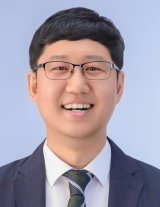
Amid a surge in influenza cases this year, a research team led by Professor Sang-Jun Lee of the Department of Biological Sciences at UNIST has, for the first time, identified the molecular mechanism by which red ginseng suppresses influenza A virus. The researchers confirmed in cell and animal models that red ginseng enhances the ZBP1-mediated antiviral pathway during viral infection, promoting the death of infected cells and suppressing viral protein expression. In normal mice, administration of red ginseng reduced lung damage and inflammation and improved survival, whereas no such effects were observed in ZBP1-deficient mice. This study demonstrated the ZBP1-dependent antiviral action of red ginseng and was published in the international journal “Journal of Microbiology.”
ⓒ dongA.com. All rights reserved. Reproduction, redistribution, or use for AI training prohibited.
Popular News