Survey on the Current Status of Obesity Care and Management
High Treatment Costs and Limited Consultation Time Cited as Key Barriers
Only 63% Report “Actively Treating Obesity”
59% Support Insurance Coverage for Anti-Obesity Medications
The Korean Society for the Study of Obesity pointed out in its “Survey on the Current Status of Obesity Treatment and Management” that there is a social atmosphere that fails to recognize obesity as a disease and structural limitations that make it difficult to provide appropriate obesity treatment. Getty Images Bank
As the obesity treatment market has grown rapidly in recent years, “overuse of obesity drugs” has emerged as a social issue. Experts warned that “it is problematic when drugs developed for the purpose of treating obesity are distorted into cosmetic tools,” and expressed concern that “the original purpose of treating obesity and metabolic diseases may be undermined.”
The Korean Society for the Study of Obesity conducted the “2025 Survey on the Current Status of Obesity Treatment and Management.” The survey comprehensively analyzed awareness of obesity, current treatment practices, actual use of obesity drugs, and the need for insurance coverage among 404 physicians and 1,000 members of the general public.
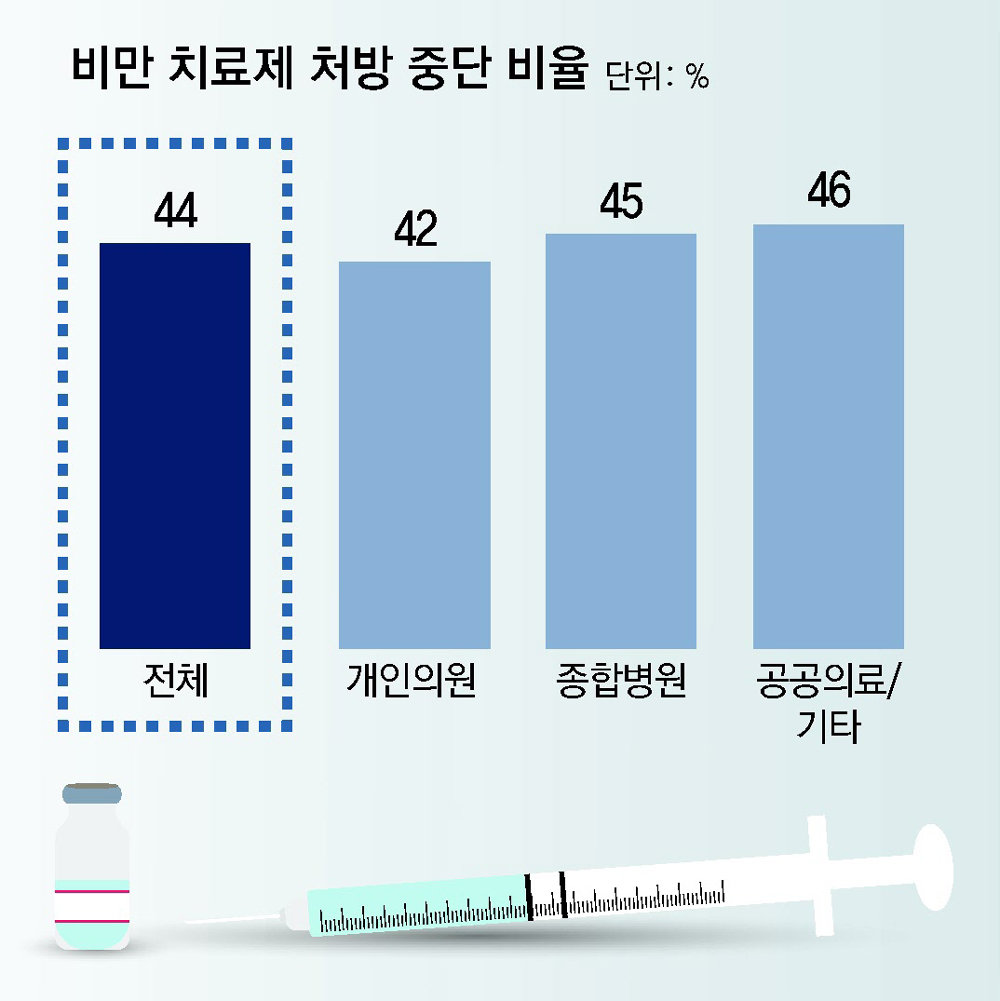
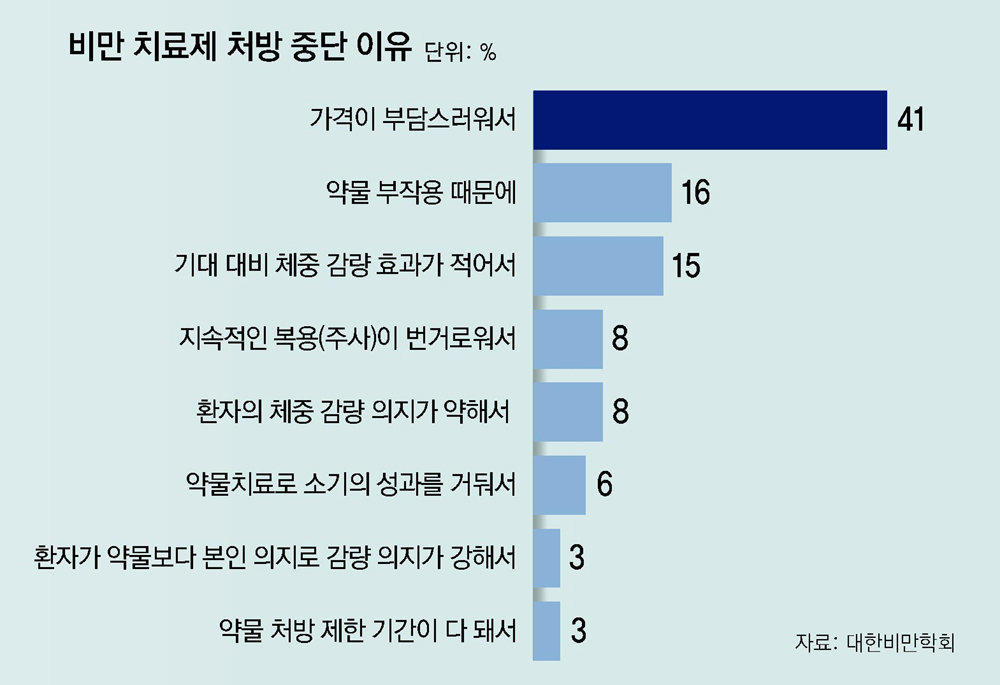
The Korean Society for the Study of Obesity stated that the survey results showed that, more than drug overuse itself, the fundamental problems are a social atmosphere that does not recognize obesity as a disease and structural limits that make it difficult to provide adequate obesity treatment. Among medical professionals, 83% acknowledged the importance of obesity treatment, and 87% responded that anti-obesity drugs would benefit patients. However, only 63% said they actively provide obesity care. As reasons, physicians pointed out that “obesity treatment is time-consuming, but there is no separate reimbursement for counseling,” and that “anti-obesity drugs are expensive, creating a heavy financial burden for patients.” In practice, the most significant reasons for not recommending treatment to patients in need of obesity care were “cost burden” and “lack of consultation time.”
Seven out of 10 patients with obesity have comorbid chronic diseases such as hypertension, diabetes, and hyperlipidemia. Nevertheless, obesity treatment still remains in the realm of cosmetic enhancement, and public support for it as “disease treatment” is severely lacking. The average amount patients pay for obesity treatment is KRW 360,000 per month, which is considerable given that obesity is a chronic condition requiring long-term management.
Support for expanding National Health Insurance coverage for obesity treatment was expressed by 68% of physicians and 60% of the general public. In particular, 59% of physicians agreed on the need to include anti-obesity drugs under insurance coverage, most frequently citing “alleviating patients’ financial burden” and “preventing chronic diseases caused by obesity” as the reasons. By contrast, among those who replied that coverage was unnecessary, “concerns about drug overuse” was the most frequently cited reason.
Some 67% of physicians responded that they had prescribed anti-obesity drugs to patients who did not meet the reimbursement criteria (BMI of 30 or higher, or BMI of 27 or higher with comorbidities). On the surface, this may appear to be overprescription, but the underlying cause is seen as the fact that obesity treatment has not yet been properly established within the National Health Insurance framework. Treatment taking place outside the system inevitably tends to be driven by patient demand, cost issues, and cosmetic purposes.
In Korea, most diseases are managed within the National Health Insurance system. The Korean Society for the Study of Obesity argued that “the most straightforward and effective solution is to select patient groups for whom anti-obesity drugs are most necessary and expected to reduce social and economic burdens, and to incorporate them into the National Health Insurance system from the ‘obesity disease’ stage.” The Society added, “This will also help reduce the misuse and overuse of anti-obesity drugs and contribute to spreading awareness that obesity is a condition requiring treatment.”
Japan has established separate diagnostic criteria for “obesity disease” and manages prescriptions of anti-obesity drugs within its health insurance system. Experts emphasize that Korea should also move away from an approach under the National Health Promotion Act that focuses solely on lifestyle improvement, and instead clearly define obesity as a disease and address it within a medical management framework.
The most concerning aspect of Korea’s obesity prevalence is that Class III severe obesity is increasing among both young men and women. Obesity in young adulthood serves as a major factor that significantly raises the risk of metabolic and cardio-cerebrovascular diseases in middle and old age. Obesity is not merely a matter of appearance; it is the root of chronic diseases such as fatty liver, hypertension, diabetes, and dyslipidemia. Even as effective anti-obesity drugs are being developed, if appropriate treatment is not provided at the obesity disease stage, it will ultimately lead to more serious complications and inevitably increase the burden of medical costs. Therefore, National Health Insurance coverage for obesity treatment needs to be introduced in stages, starting with patients with Class III obesity or obesity with comorbidities, and designed as an integrated reimbursement system that includes not only pharmacotherapy but also nutrition, exercise, and behavioral therapy.
ⓒ dongA.com. All rights reserved. Reproduction, redistribution, or use for AI training prohibited.
Popular News