Jeong Min Ko, Professor of Pediatrics and Adolescent Medicine, Seoul National University Hospital
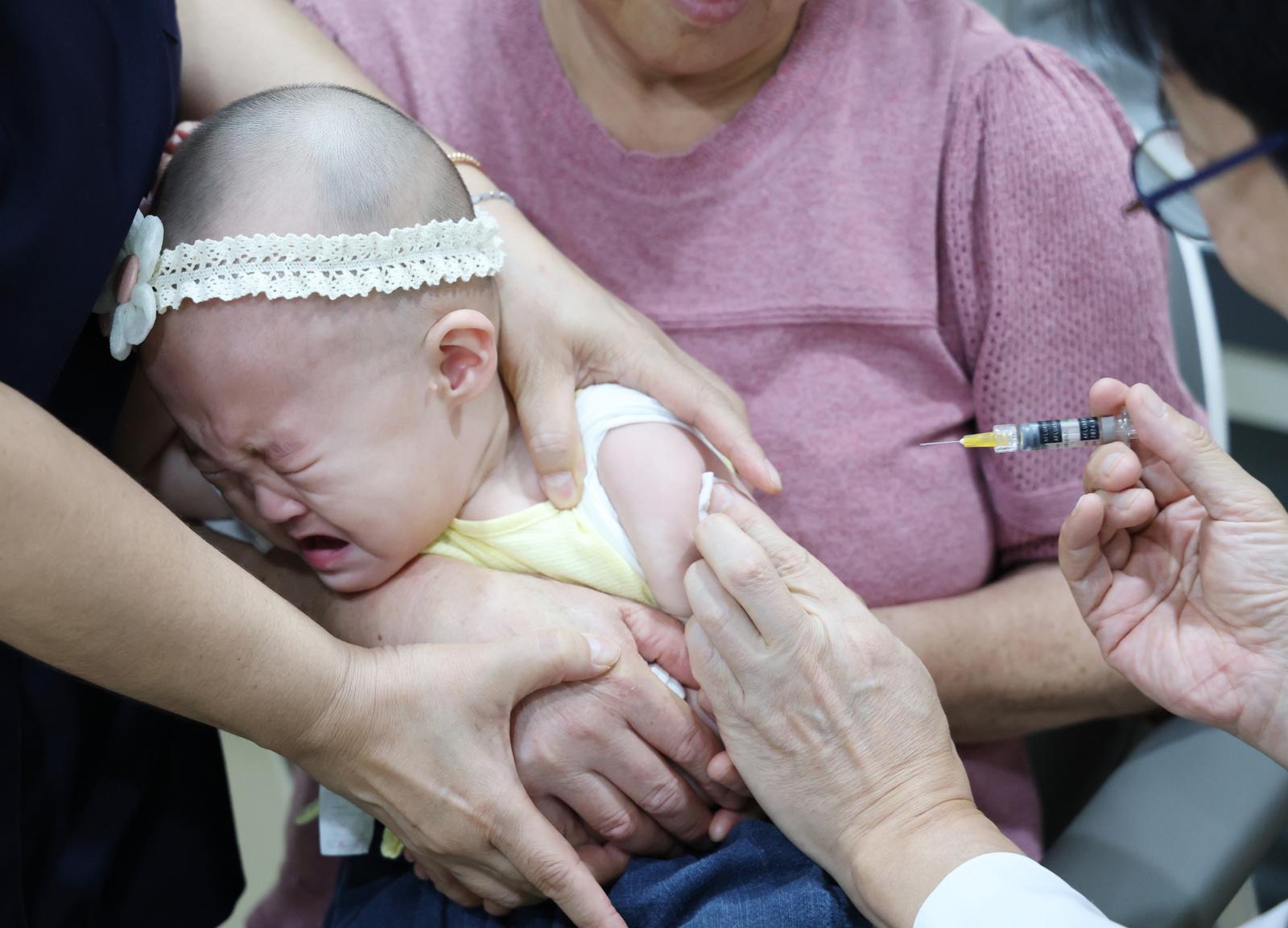
Child receiving an influenza vaccination (photo unrelated to article content). News1
Professor Ko Jeong-min, Department of Pediatrics, Seoul National University Hospital
Lysosomal storage diseases (LSDs) are metabolic disorders in which enzymes that break down waste products inside cells are congenitally deficient or lose their function, causing high-molecular-weight glycolipids, phospholipids, glycogen, and other substances to accumulate within cells. These accumulated substances damage major organs such as the heart, kidneys, and cerebral blood vessels. Once such damage accumulates and organ function declines, reversal is difficult. It is therefore crucial to diagnose and initiate treatment before symptoms and signs appear.
Until recently, lysosomal storage diseases were often diagnosed late because they are rare and their symptoms are nonspecific (not clearly defined). However, since January 2024, six types of lysosomal storage diseases—Fabry disease, Pompe disease, Gaucher disease, Niemann-Pick disease types A and B, mucopolysaccharidosis type I (MPS I), and Krabbe disease—have been added to the national newborn screening panel, enabling all newborns in Korea to be screened for these conditions.
Since the introduction of newborn screening, around 10 newborns nationwide have been diagnosed early with Pompe disease, Gaucher disease, or mucopolysaccharidosis type I over a period of about two years. Half of them have begun treatment. This is highly significant in that early diagnosis and prompt treatment have made normal growth and development possible without complications.
Among rare diseases, only a small number currently have available treatments. However, all six lysosomal storage diseases included in newborn screening can be treated. In particular, for Pompe disease, Fabry disease, mucopolysaccharidosis type I, and Gaucher disease, enzyme replacement therapy (ERT) has been developed to compensate for the deficient enzymes, and the prognosis is favorable when treatment is initiated early. By contrast, if treatment is delayed and irreversible damage has already occurred, full recovery of organ function is difficult to expect.
A key point for parents preparing for childbirth is that newborn screening is not a definitive diagnostic test. Even when positive results are repeatedly obtained, additional tests such as metabolic markers, enzyme activity assays, and genetic testing are performed, and diagnosis is made with caution. Most regional rare disease specialist centers nationwide, including Seoul National University Hospital, conduct confirmatory testing, and results are generally available within two to four weeks. Once a diagnosis is confirmed, patients can be registered for the rare disease copayment reduction program, which helps alleviate the burden of high treatment costs. Family members can also be tested, enabling diagnosis and treatment of relatives with the same condition.
Medicine is advancing rapidly. More effective and convenient treatments continue to be developed. Even in the presence of a family history of genetic disorders, prenatal genetic counseling and preimplantation genetic testing can enable the birth of healthy children. Early diagnosis and treatment, continuous management, and accurate consultation with specialists are the starting points for transforming the lives of families affected by rare diseases.
ⓒ dongA.com. All rights reserved. Reproduction, redistribution, or use for AI training prohibited.
Popular News