[Seoul Startup Hub x ITDongA] Challenge! K-Startup is the largest startup competition in Korea, jointly organized by 10 government ministries. Among these, the Seoul Center for Creative Economy & Innovation operates the general track of the Innovation Startup League. ITDongA looks into promising startups that have grown together with the Seoul Center for Creative Economy & Innovation.
“We want to be a company that builds robots that help people.”
The restaurant, food, and catering industries have been hit by a serious labor shortage. With rising minimum wages, labor costs are mounting, and it has become even more difficult to secure skilled cooking personnel. The focus has shifted from “recruiting people” to “reducing the work people have to do.”
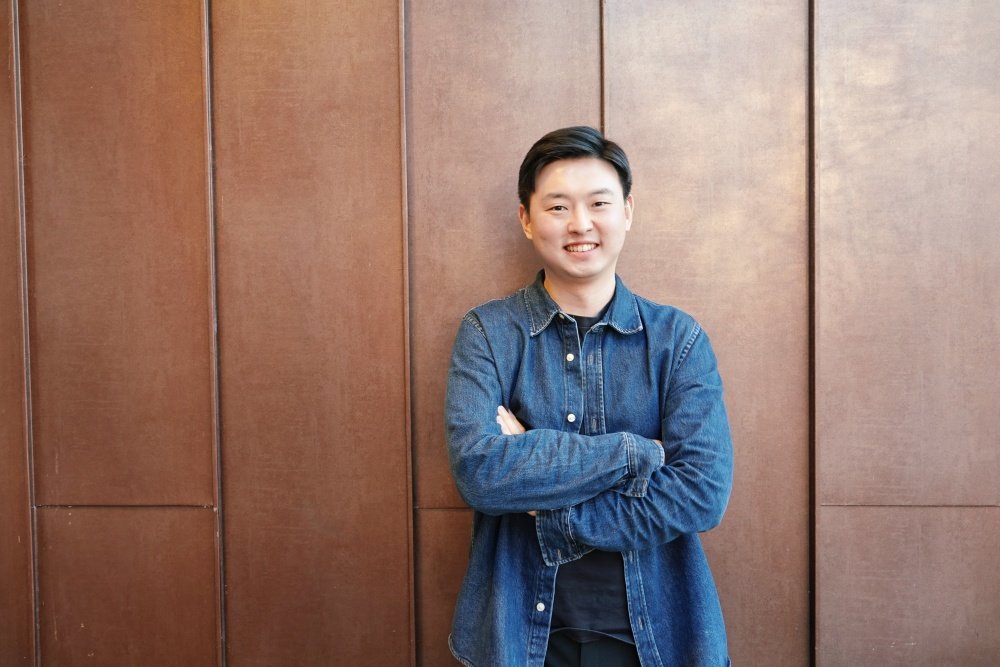
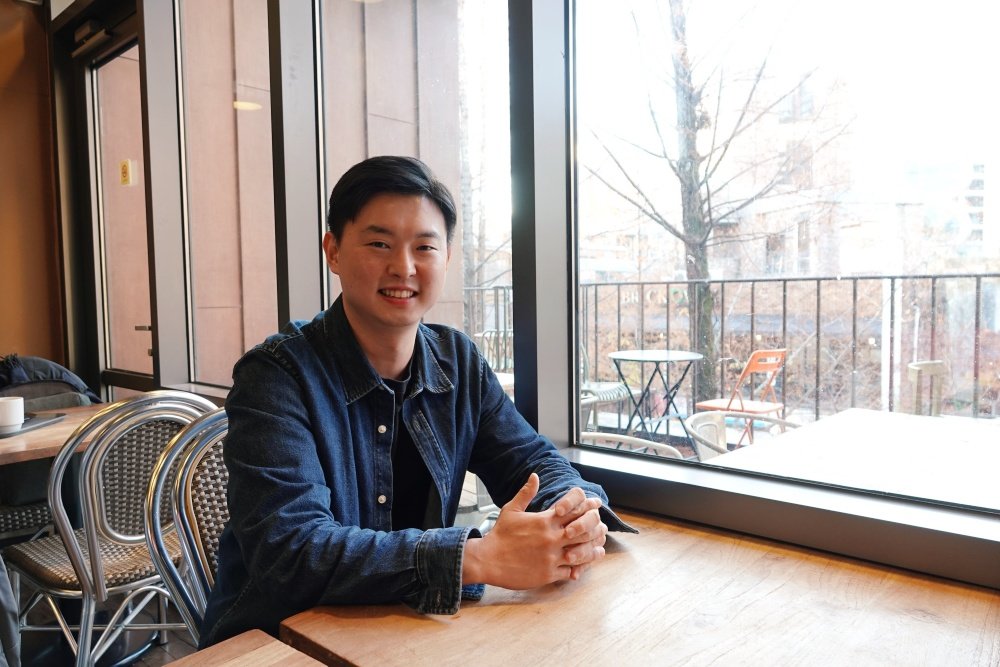
Oh Jin-hwan, CEO of Ronik / Source = ITDongA
Against this backdrop, startups that are combining artificial intelligence (AI) and robotics technologies to automate cooking are attracting attention. One of them is the robotics startup Ronik. ITDongA met with CEO Oh Jin-hwan to hear why the company is focusing on a new concept of modular cooking robots and to learn about its growth strategy.
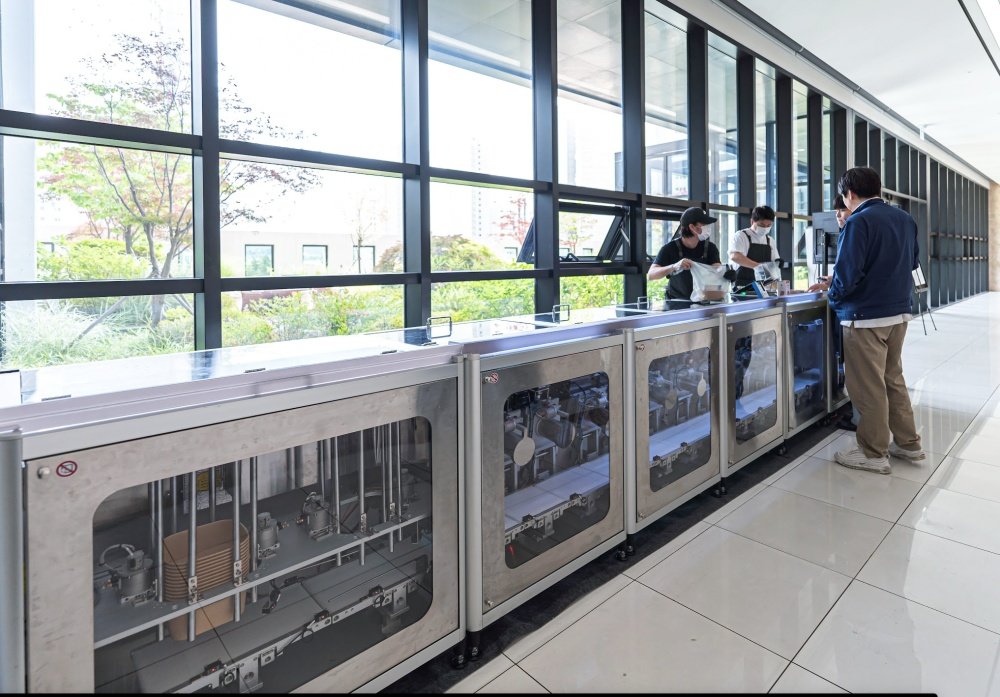
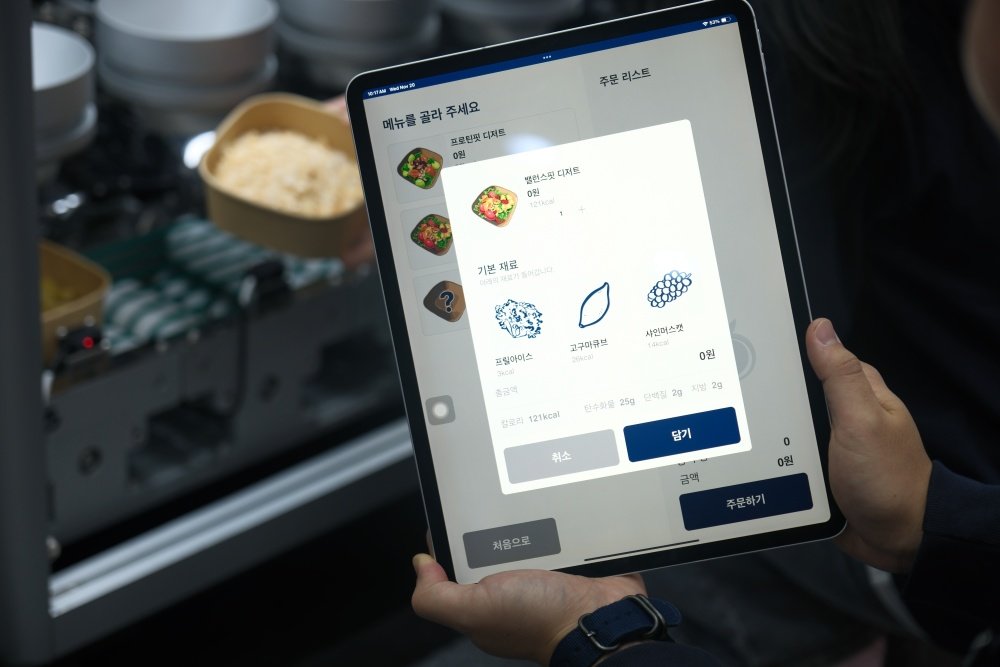
One Cube can replace 1–3 workersFounded in 2022, Ronik develops and manufactures the AI chef robot Cube under the motto “Robotics for a Better Life.” Unlike most cooking robots that imitate the shape of a human arm, Cube is a product that combines modular hardware, which implements human cooking actions in a box form, with a RaaS (Robot as a Service) solution.
Take the cooking process as an example. Until now, people handled everything from preparing and measuring ingredients to portioning, cooking, and packaging. Ronik’s Cube takes on each of these human roles one by one. Robots that prepare ingredients and cook, robots that season, plate, and package are organically configured to produce food. It is also possible to add or remove specific robots.
CEO Oh Jin-hwan said, “I wanted to make robots that are not confined to laboratories but are practically helpful. A lot of manpower was needed in cooking environments. We judged that cooking automation could become a practical turning point for robotics technology,” adding, “We developed Cube to overcome the limitations of existing cooking robots. Through Cube, we aim to build a foundation that enables higher cooking productivity with minimal capital and maximizes profit.”
Cube combines modular hardware that implements human cooking actions in box form with a RaaS solution / Source = Ronik
Cube’s core competitiveness lies in its precise measurement technology down to the gram. It can forecast sales volumes and minimize inventory loss to maximize gross margins. The system is equipped with intelligent AI that learns cooking data and automatically calibrates operations. Through remote monitoring, it can respond to situations in real time, delivering excellent maintenance and maximizing system stability. Each Cube can replace the work of 1–3 people, enabling labor cost savings.
In particular, Cube allows easy menu expansion to bowls, soups, noodles, and more. Data-driven operations optimize both cost and demand, and even personalized cooking is possible. It can simultaneously realize three goals: “fast, clean, and customized cooking.”
Further growth powered by AI advancesCEO Oh Jin-hwan has been interested in robots since childhood. After majoring in robotics, he spent eight years as a robotics engineer at SK Telecom’s AI research lab, spending most of his life with robots. These positive experiences with robotics enabled him to develop Cube with high practical utility.
While traditional robotics companies focused on optimizing robot motion, Ronik concentrated on technologies to understand and handle food ingredients. As CEO Oh explains, what the market ultimately wanted was not simply a robot that moves well, but a solution that produces food of consistent quality.
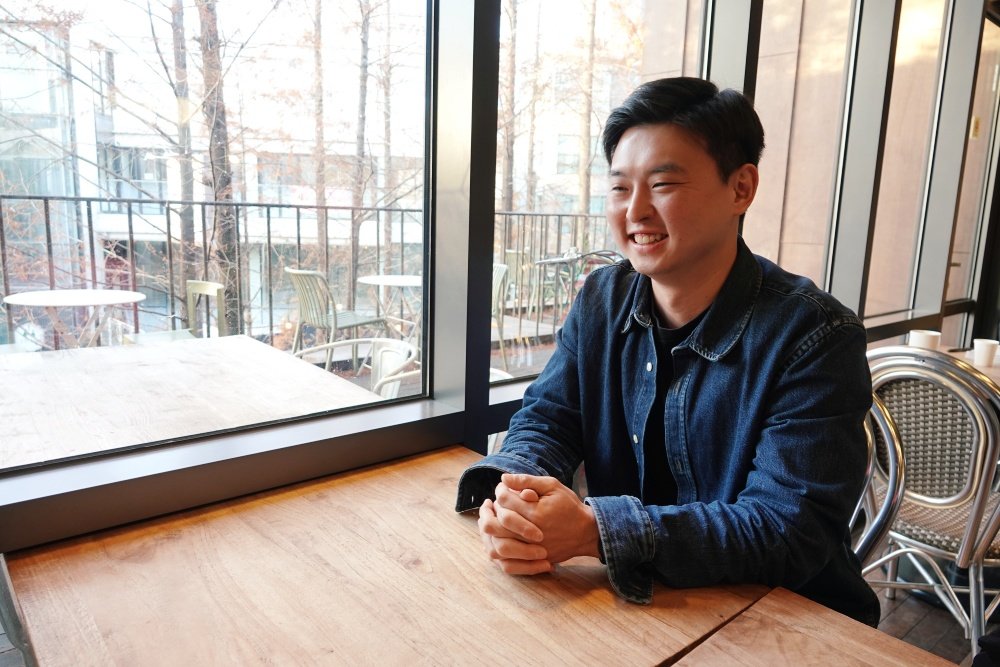
CEO Oh founded Ronik based on his major in robotics and experience working as a robotics engineer / Source = ITDongA
Advances in AI technology have also played a decisive role in Ronik’s growth. CEO Oh said, “By working on both hardware and software, we were able to adapt quickly to the AI era. These days, when we create movement for cooking robots, we use AI to control motion itself. We are actively leveraging physical AI.”
Ronik’s competitiveness is also underpinned by the ingredient data it has accumulated since its early days. CEO Oh noted, “I believed that the essence of food lies in ingredients and taste. That is why we have been collecting data on ingredient characteristics from the beginning.” He added, “It is difficult to codify unstructured ingredients. The only solution is to secure large amounts of data. The data accumulated over the past several years has become a key asset that increases Cube’s usability in the restaurant and food industries.”
Gradual expansion from restaurants to cateringRonik’s path has not always been smooth. There were times when the company’s technology did not align with what client companies wanted, and breaking preconceived notions about cooking robots was not easy. Moreover, the process of convincing clients of Cube’s utility was a series of challenges.
CEO Oh recalled, “Convincing clients was more difficult than developing the technology itself. In the past, we assumed, ‘Because it is a good technology, it will be used in the field,’ but reality was different,” adding, “We continued refining and supplementing the technology by listening directly to voices on-site. We realized it is also crucial to reflect client opinions quickly. This became an opportunity to advance both our hardware and software.”
In response to client feedback, Ronik is making Cube easier to operate and is increasingly advancing methods for rapid remote repair / Source = ITDongA
Reflecting client feedback, Ronik is making Cube easier to operate and is steadily advancing its methods for rapid remote repair. Existing cooking robots are often difficult to fix when they break down. In Cube’s case, all robot functions and information are integrated with a control system, allowing detailed requirements to be reflected anytime, anywhere. Follow-up support is also actively provided until optimization is achieved, resulting in high client satisfaction.
CEO Oh said, “In the early days, we only considered the restaurant industry, but now we are evolving into a company that supplies automation solutions across catering and overall food production,” adding, “Whereas in the past we only supplied hardware products, we now offer solutions such as AI dispensing, store automation, ingredient analysis, and nutritional calculation tailored to client needs.”
Ronik’s core competitiveness is the ingredient data accumulated since its founding / Source = Ronik
Ronik is recently focusing on large catering companies as a new growth driver. CEO Oh said, “We initially only targeted the restaurant industry, but in catering there are many simple, repetitive tasks and labor shortages are severe, making it easier to introduce cooking robots,” adding, “In particular, ingredient pre-portioning and serving usually require at least 3–4 staff members, but Cube can fully replace them.”
In practice, Ronik’s measurement technology is improving efficiency by automating tasks previously done by three people. The core is to handle ingredients for 500–1,000 servings accurately and quickly. Through PoC (Proof of Concept) projects with large corporations, the company has also verified the potential of automating AI-based pre-portioning and weighing processes. It has further validated automation of soups and noodle dishes in in-house cafeterias and food courts.
Ronik is also increasingly integrating its software into other companies’ cooking automation equipment. This indicates that the company’s transition from a manufacturing-focused business to a platform company is becoming visible. CEO Oh said, “We cannot handle every cooking process ourselves. It is important that we can be organically integrated with robots and machines that are already in use,” adding, “By connecting with other cooking robots through software for frying, boiling noodles, stir-frying, and other processes, we are playing an intermediary role in food industry automation. Ultimately, our goal is full automation solely with Cube.”
Advancing to the integrated finals of Challenge! K-Startup proves excellence of its solutionBuilding on these achievements, Ronik participated in “Challenge! K-Startup,” Korea’s largest cross-ministry startup competition jointly organized by 10 government ministries, and made it to the integrated finals. Challenge! K-Startup is a “gateway to entrepreneurship” program that offers prize money and follow-up support to startups within three years of founding that have outstanding solutions.
CEO Oh said, “We joined Challenge! K-Startup to address labor shortages and high prices in the restaurant market and to promote affordable yet delicious food,” adding with satisfaction, “We proved Cube’s effectiveness in real-world settings through production indicators and workforce substitution rates, and it seems that this aspect was evaluated positively.” He went on, “Ronik is now in its third year. Being officially recognized as being on the right track with our business has given us an even greater sense of responsibility.”
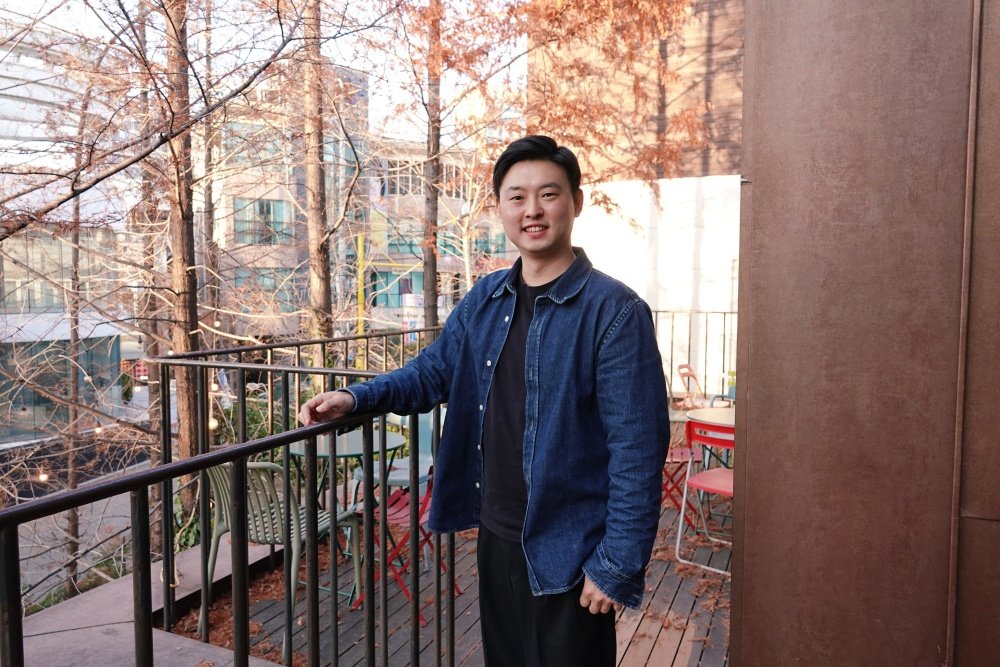
Ronik advanced to the integrated finals of Challenge! K-Startup / Source = ITDongA
Ronik is also actively filing overseas patents in preparation for expansion into Japan and the United States. CEO Oh emphasized, “Amid the K-food boom, overseas markets find recipe control difficult, but introducing Cube enables efficient management. If new franchise brands design their business around robots from the outset, there will be ample room for collaboration.”
Ronik’s ultimate vision is to grow into a robotics company that spans all aspects of daily life—food, clothing, and housing—beyond just dining. CEO Oh said, “We started in the restaurant industry and have accumulated experience in cooking automation technology, but ultimately we want to become a company that builds robots that help people. Our goal is to grow step by step, envisioning the humanoid era.”
Ronik aims to build a sustainable smart kitchen ecosystem and is accelerating both technology development and market expansion. Expectations are high for what new challenges Ronik, which entered the market with the distinctive concept of the ‘AI chef robot Cube,’ will pursue next.
Reporter Park Gui-im, ITDongA (luckyim@itdonga.com)
ⓒ dongA.com. All rights reserved. Reproduction, redistribution, or use for AI training prohibited.
Popular News