Energy-based purification technologies, such as air purifiers and water purification systems, are widely used, but they have limitations due to high power consumption and potential secondary pollution. In the fields of air and water purification, the importance of eco-friendly materials that operate stably over long periods while minimizing environmental impact is increasingly emphasized.
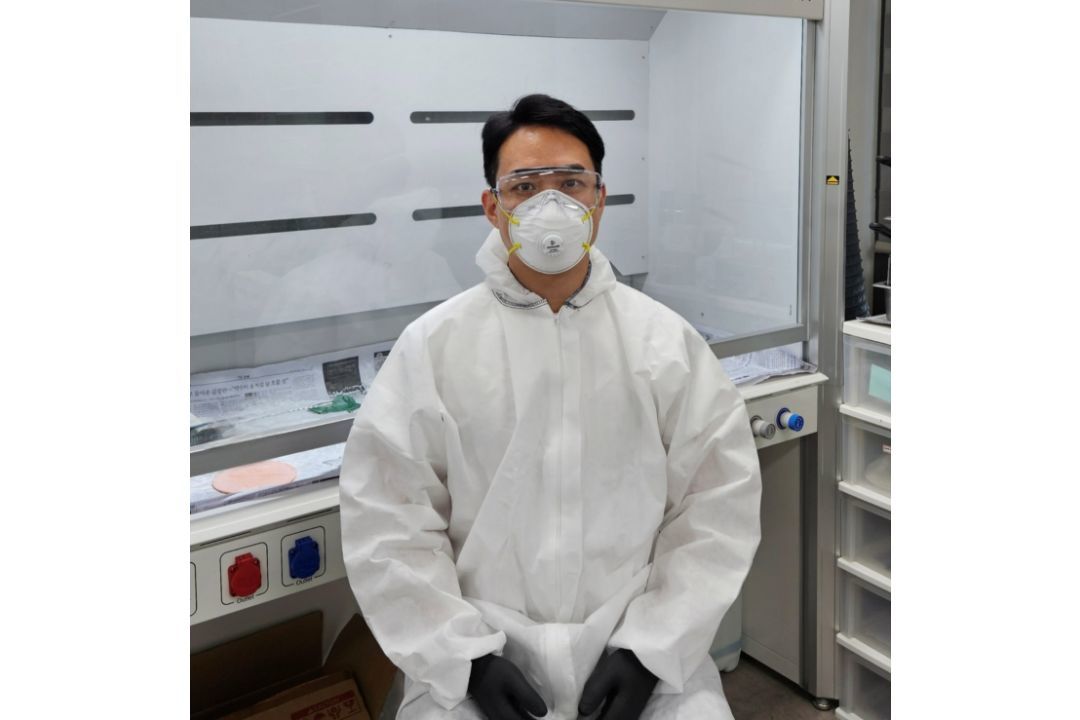
Kim Tae-jun, CEO of Raven Materials / Source=Raven Materials
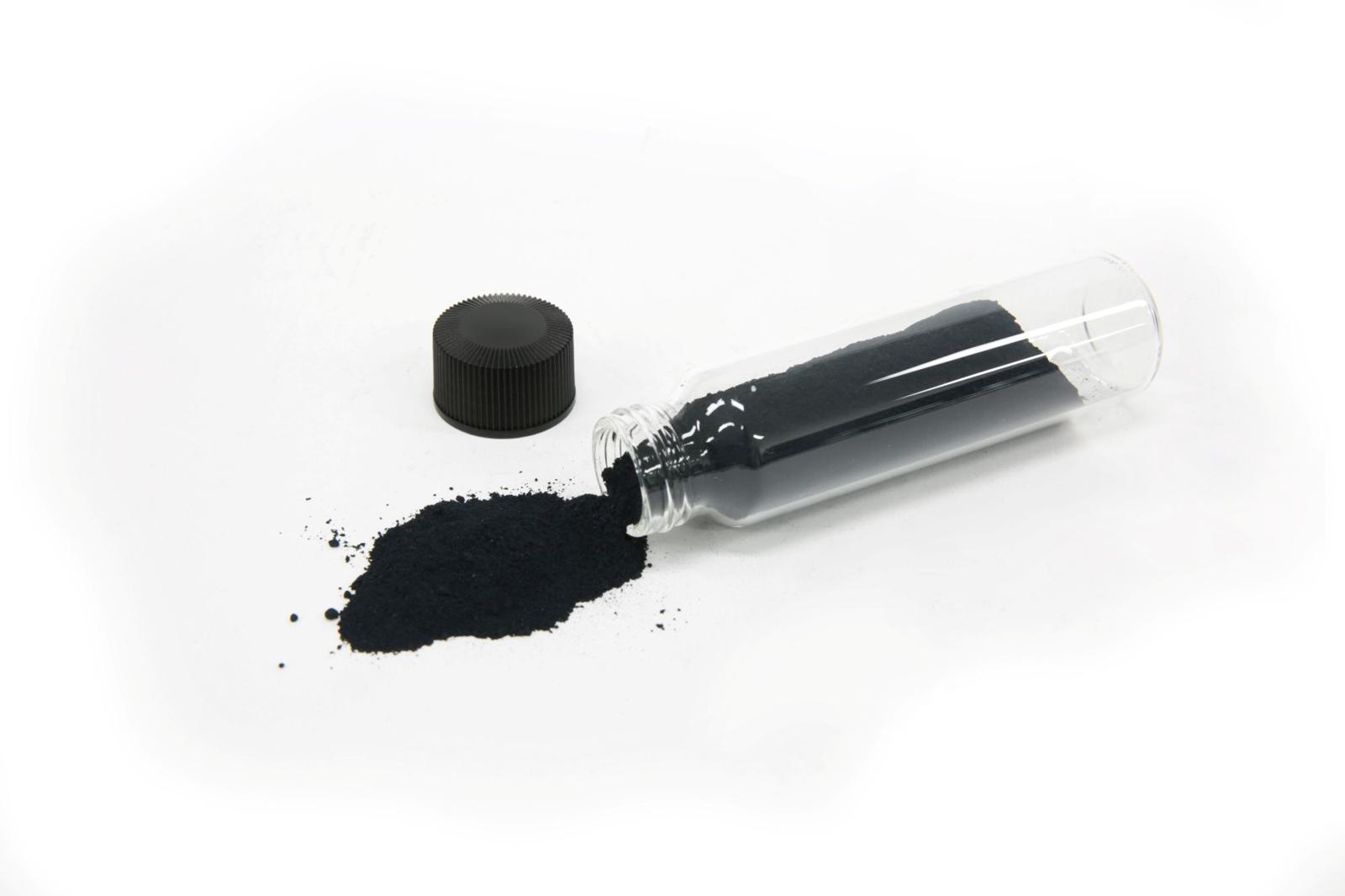
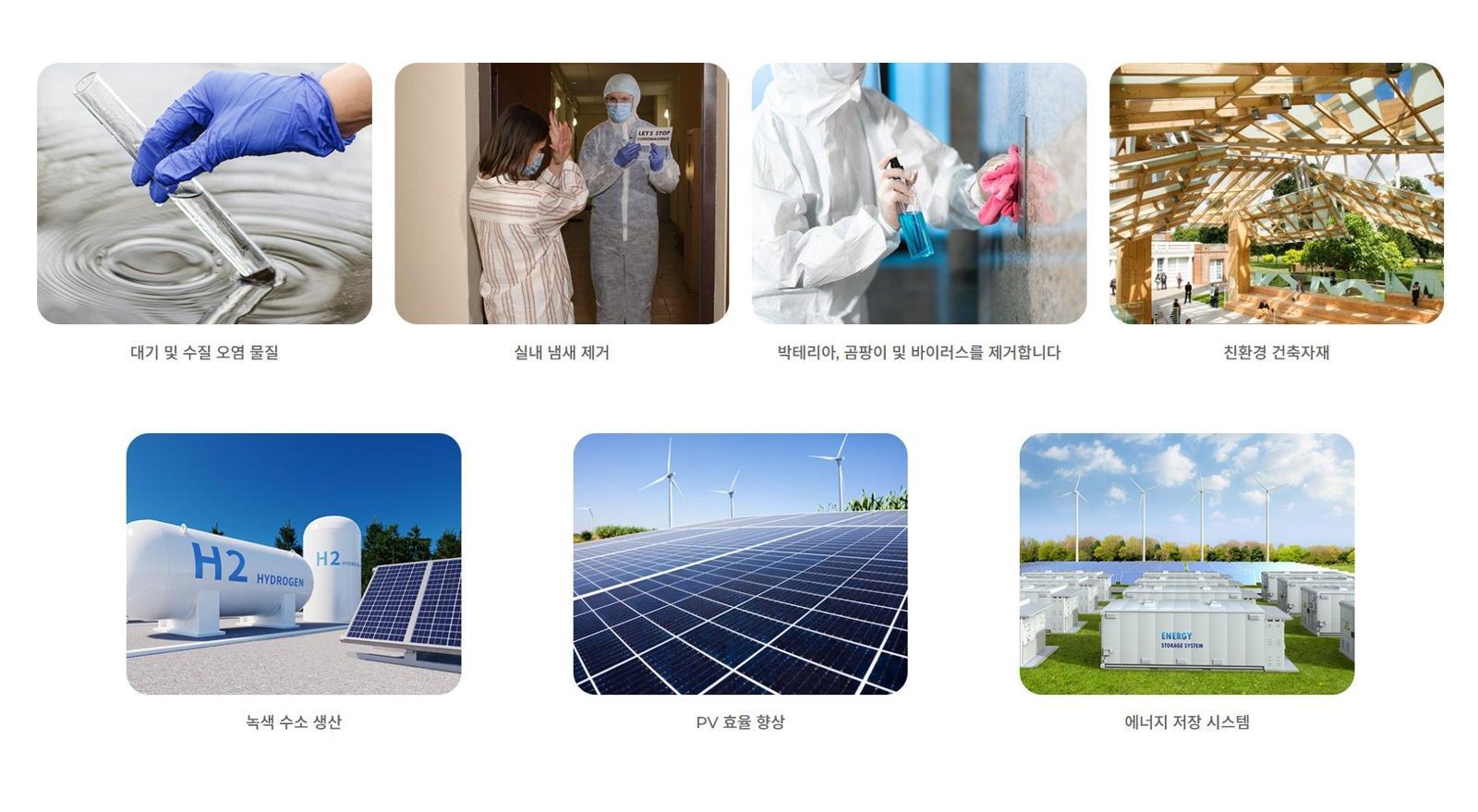
Among these, 'Black Titanium Dioxide (Black TiO₂)', first reported in academia in 2011, is gaining attention. This material is used as a next-generation black pigment (a black particle-type colorant that does not dissolve in water or oil) and as a photocatalyst (a substance that decomposes harmful substances when exposed to light) by absorbing visible light from indoor lighting or sunlight. It is a new material used in various advanced industries such as air purification, water purification, hydrogen production, self-cleaning functions, solar cells, displays, semiconductors, batteries, and defense.
Raven Materials is a chemical material deep-tech startup developing black titanium dioxide manufacturing technology. CEO Kim Tae-jun commercialized the material he discovered during his overseas sales experience. Starting with initial research and development of catalytic materials for air purification, the company has continuously advanced to develop powdered black titanium dioxide products.
Visible Light Absorption and Strong Self-Cleaning Catalytic Function
Black Titanium Dioxide / Source=Raven Materials
The application market for black titanium dioxide is largely divided into two categories. The first is the black pigment market, utilizing its property of absorbing visible light. This material is particularly noted in the defense sector for equipment like stealth military gear or missiles that need to absorb light to avoid radar detection. It is also used as a black material in OLED displays. Raven Materials is currently verifying the performance of black materials for OLED displays with Germany's major chemical company E and Korea's major electronics company L, and is testing the material as a next-generation black pigment for the defense industry with Finland's T company.
The other is the visible light photocatalyst market. When exposed to visible light, black titanium dioxide generates active oxidizing substances (hydroxyl radicals) on its surface, decomposing organic matter or bacteria. This characteristic is used in air purification, water purification, hydrogen production, and improving solar cell efficiency. Additionally, the material itself has strong superhydrophilic properties (spreads well in water), allowing it to easily wash away surface contaminants with just rain or moisture.
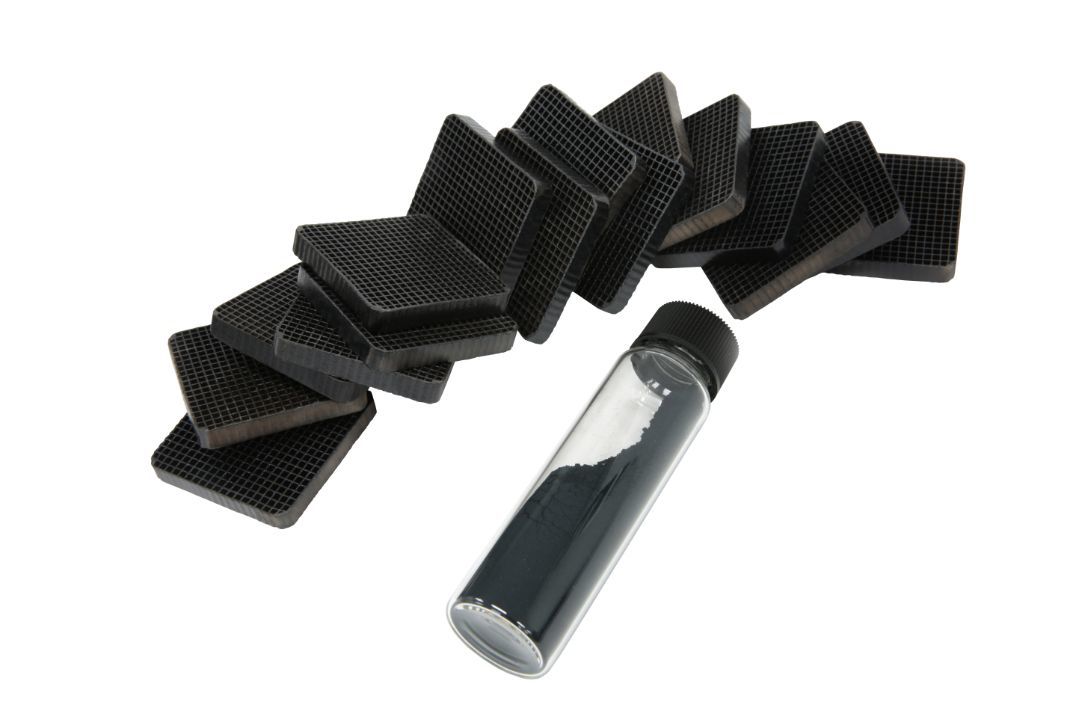
As a result, it can be used to coat the glass exterior walls of buildings or the surfaces of architectural finishing materials to create self-cleaning exterior materials that remain clean with just sunlight. It can also be applied to automotive window films, solar panels, and the hulls of ships or yachts. Raven Materials has demonstrated the performance of this material in removing over 90% of nitrogen oxides (NOx), sulfur oxides (SOx), bacteria, and viruses using only visible light LED lighting in building ventilation unit filters in collaboration with Korea's construction company H.
Coating the glass exterior walls of buildings or the surfaces of architectural finishing materials with black titanium dioxide can create self-cleaning exterior materials that remain clean with just sunlight / Source=Raven Materials
In particular, black titanium dioxide is considered an innovative alternative in the photocatalyst field in the ESG era, where environmental regulations are being strengthened. Traditional air purification technologies using UV, plasma, ozone, and general photocatalysts have high power consumption and a high dependency on imported core materials or were costly. CEO Kim Tae-jun emphasized, "Thanks to the high efficiency of visible light photocatalysts using sunlight and indoor lighting, power loss can be reduced by about 40 times, and the cost of necessary materials can be made about 41 times cheaper."
Economical Advantage of Being 1,300 Times Cheaper Than CompetitorsThe biggest differentiator of Raven Materials is its economic advantage. CEO Kim Tae-jun stated, "Currently, black titanium dioxide is produced by Mitsubishi in Japan and ACS Material in the United States, but they sell it in small quantities at high prices due to the lack of commercialization technology," and emphasized, "Raven Materials has reduced production costs through independent process development, achieving a purity of over 99% at a price 1,300 times cheaper than competitors."
He further revealed, "This achievement was born after three years of persistent research." "Raven Materials has secured over 3,000 research data points to precisely control 33 variables in the pre-treatment, heat treatment, and post-treatment processes," he explained, "The variables are intricately linked, and if even one is off, the material does not turn black. As a startup, being able to focus solely on this technology was the key to success." Additionally, the experience of developing air quality monitoring software in the early days of the company was helpful, as it allowed for precise analysis based on data obtained from monitoring experimental environmental conditions.
Moreover, Raven Materials possesses proprietary technology to precisely control the degree of oxygen defects in the synthesis process of black titanium dioxide. Based on this, the company is also pursuing the development of titanium dioxide in various colors. CEO Kim Tae-jun stated, "Depending on the concentration of oxygen defects, it is possible to manufacture powders in various colors such as black, gray, and blue," and added, "As the uses vary by color, the goal is to expand the applications by utilizing this."
Simultaneous Technology Verification with 26 Global Corporations
Black Titanium Dioxide / Source=Raven Materials
Founded in 2020, Raven Materials is targeting the global market with black titanium dioxide developed over three years. Currently, the company is conducting commercialization technology verification with 26 global companies in 6-7 countries, including Japan, Luxembourg, the United States, France, and Spain. To elevate the product from Technology Readiness Level (TRL) 7 to the commercialization stage of TRL 9, the company is working with local partners to navigate country-specific regulations and certification procedures. The goal is to establish a production system by June next year and achieve KRW 5 billion in sales through full-scale commercialization in the second half of the year.
Raven Materials aims to secure 99% reproducibility (the ability to manufacture identically under the same conditions) of the material by next year and increase the purity from the current 99% to 99.9% to maximize material reliability. CEO Kim Tae-jun stated, "In the chemical and material fields, even impurities of less than 1% can critically impact performance, so increasing purity by 0.9 percentage points is an important task that can be recognized as craftsmanship."
The growth of Raven Materials has been supported by the Seoul Center for Creative Economy & Innovation. Through connections made by the center, the company participated in the 'ILS (Innovation Leadership Summit) Tokyo', Asia's largest corporate and CVC summit. It was selected as one of the top 100 global companies and is simultaneously under review by major Japanese investment firms. CEO Kim Tae-jun expressed gratitude, saying, "The opportunities gained through the business guidance of the Seoul Center for Creative Economy & Innovation led to good results."
Scaling Up with Automated Continuous Processes... IPO Target in 2029
Kim Tae-jun, CEO of Raven Materials / Source=Raven Materials
Raven Materials is planning mid- to long-term growth with the goal of an initial public offering (IPO) in 2029. The company intends to diversify its business across different industrial sectors. CEO Kim Tae-jun estimates the annual global market size for visible light photocatalysts and black pigments to be about 13 million tons and presents a vision to supply 10% of this, or 1.3 million tons, with its products by focusing on mass production process investment.
CEO Kim Tae-jun stated, "The biggest challenge for this is scaling up. We need to significantly increase the expected monthly production of 2.2 tons from 2026," and added, "We plan to achieve 24-hour continuous processing by introducing AI and robots. Currently, robotic automation equipment has been introduced in some pre-treatment processes, and the goal is to establish a production automation process within five years, which is expected to enable mass production."
Finally, he said, "As far as I know, there is currently no unicorn (a privately held startup valued at over USD 1 billion) in the chemical and material fields in Korea," and added, "We aim to become a unicorn company in the new material sector that directly produces and distributes in the global market beyond Korea."
IT Donga Reporter Kim Ye-ji (yj@itdonga.com)
ⓒ dongA.com. All rights reserved. Reproduction, redistribution, or use for AI training prohibited.
Popular News