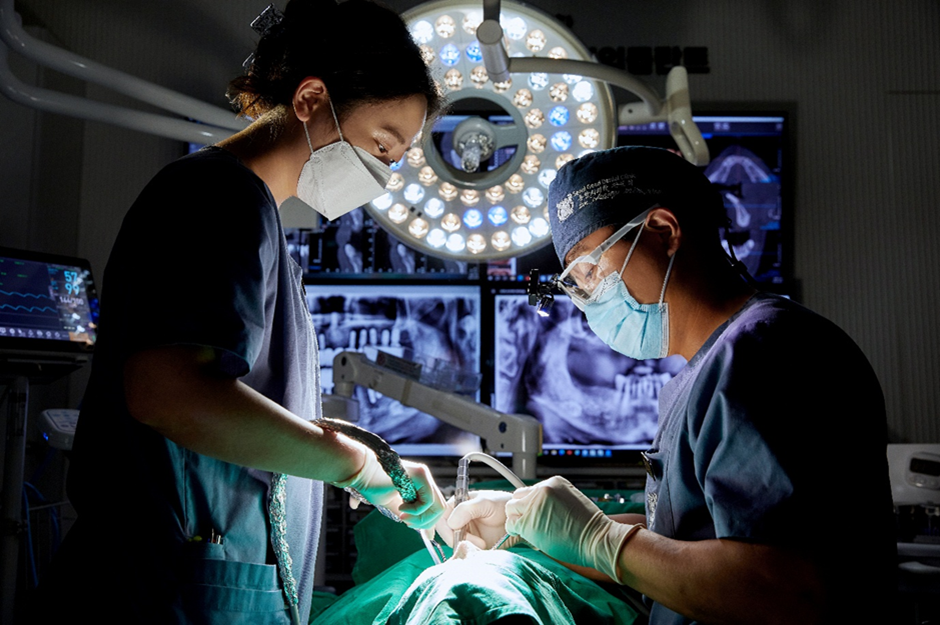
Provided by Sleep Dental Network
The Sleep Dental Network announced on the 2nd that it is operating a systematic conscious sedation (Sedation, sleep dentistry treatment) system to enhance the treatment safety for patients with systemic diseases such as hypertension, diabetes, and cardiovascular diseases.
The Sleep Dental Network explained that according to various clinical data, patients with hypertension commonly exhibit a 'White-Coat Response,' where blood pressure and pulse rise merely by sitting in the dental chair. It is known that the greater the fear of the dentist, the larger the fluctuations in blood pressure during treatment, and just anticipating pain excessively activates the sympathetic nervous system. To reduce this risk, the Sleep Dental Network has standardized and operates a safety protocol across all locations, which includes pre-blood pressure checks, anxiety assessments, sedation application if necessary, and real-time monitoring.
The conscious sedation method of the Sleep Dental Network uses the sedative Midazolam to alleviate tension and fear while maintaining the patient's consciousness. The Sleep Dental Network stated that it is reported to help induce a comfortable and cooperative state in patients and alleviate the rapid fluctuations in blood pressure and pulse observed in patients with hypertension.
To strengthen the safety of the conscious sedation method, a four-stage safety system has been established. The first stage is pre-assessment. Basic vital signs such as blood pressure, pulse, and oxygen saturation are checked, and medications, medical history, and underlying diseases are reviewed. Additionally, the American Society of Anesthesiologists (ASA) risk classification is referenced to evaluate the suitability of sedation for the patient. The second stage is customized sedation application. The decision on whether to apply sedation and the drug dosage is made by comprehensively considering the patient's anxiety level, treatment difficulty, and overall condition. During the real-time monitoring stage, medical staff observe oxygen saturation, respiratory rate, heart rate, and blood pressure while sedation is maintained, and equipment and systems are operated to respond immediately to emergencies. In the final stage of recovery management, the condition of the patient after the procedure is checked in a dedicated recovery room. Care instructions and post-sedation guidelines are shared with the guardian.
Kang Min-woo, the chief director of Sleep Implant Dental Clinic, stated, “The core of the conscious sedation method lies in the system, not the drug,” adding, “For patients with systemic diseases to receive treatment with peace of mind, safety procedures must function properly throughout the entire process before, during, and after sedation.” He continued, “The Sleep Dental Network will continue to do its best to create a treatment environment where anyone can receive treatment with reduced worry and anxiety.”
ⓒ dongA.com. All rights reserved. Reproduction, redistribution, or use for AI training prohibited.
Popular News