A female founder who launched Korea Deep Learning at 22 with KRW 100,000 in capital
“Dismissed for being young and a woman… in the end, only results can prove them wrong”
Named to Forbes Asia’s “30 Under 30” list this May
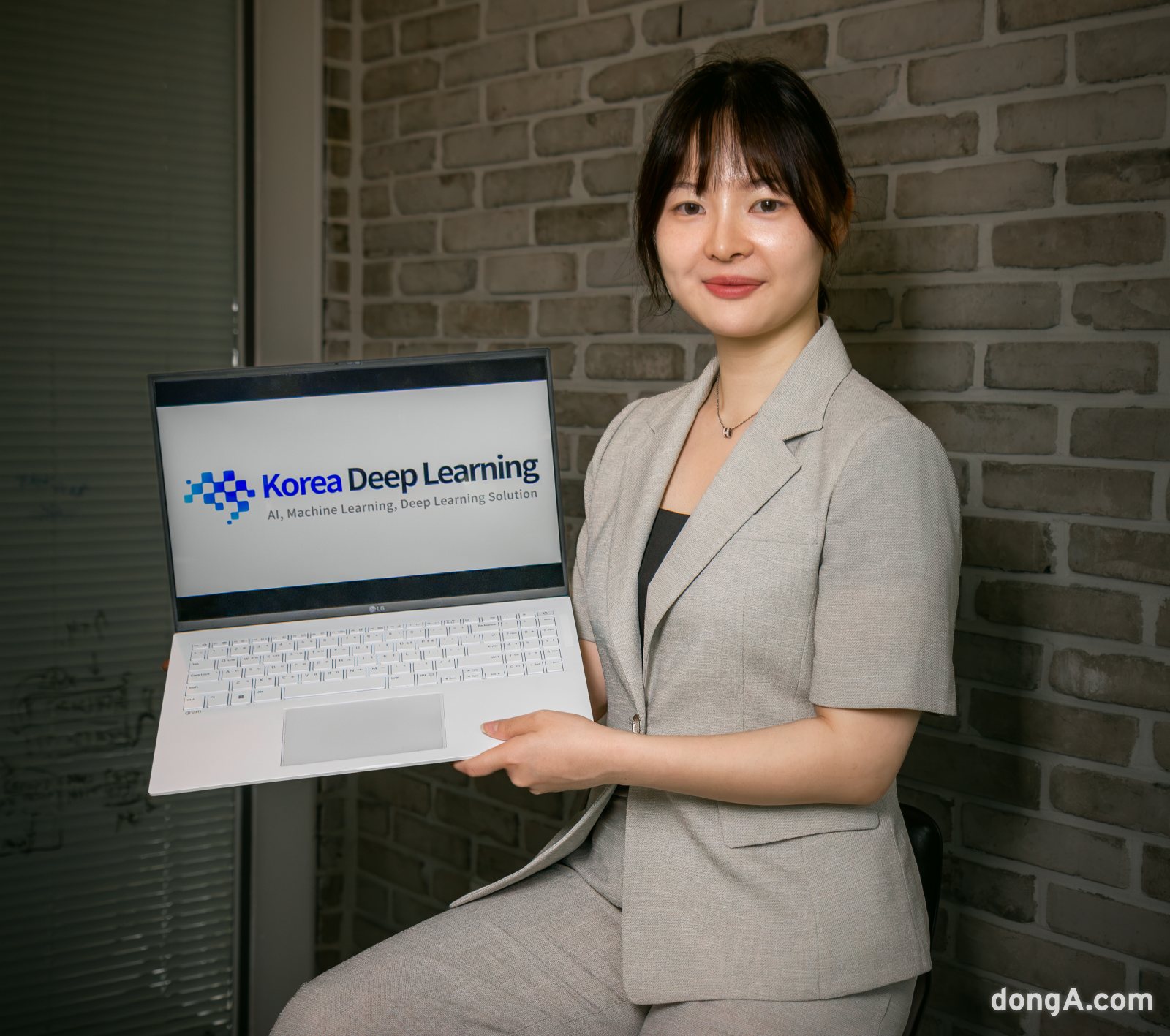
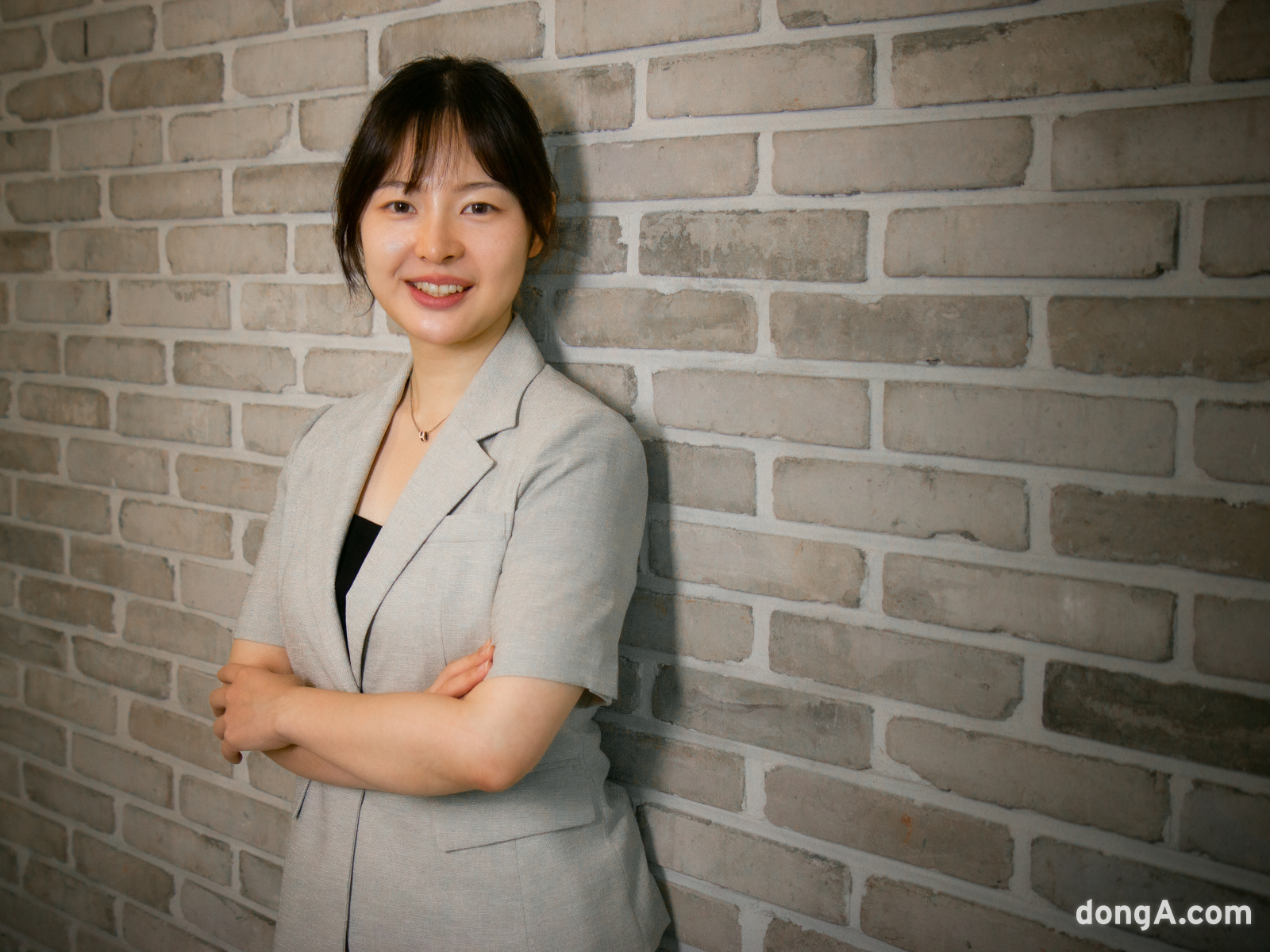
Photo = Reporter Kim Young-ho rladudgh2349@donga.com
“I am sorry, but please change the person in overall charge.”
Kim Ji-hyun, CEO of Korea Deep Learning (age 29), heard this from a client when she was in her early 20s and leading a large-scale project. Although she personally analyzed the system environment and data structure and designed the entire project, the counterparty doubted her capabilities simply because she was a young woman.
“When I said I was born in 1997, they sighed and then asked the person next to me to change the person in charge. My conclusion to this day is that I will just keep accumulating and showing results.”
Korea Deep Learning, which started in 2019 with paid-in capital of KRW 100,000, has grown into a document AI company that now serves more than 80 clients in the public, financial, and manufacturing sectors. Since its founding, it has remained profitable and built a business for which customers actually pay, and it has raised KRW 12 billion in Series A funding.
In May, Kim was included in Forbes Asia’s “30 Under 30” list in the Consumer Technology & Enterprise Technology category.
Recently, Korea Deep Learning’s proprietary Vision-Language Model (VLM) recorded higher scores than general-purpose models from Google and OpenAI affiliates in global document and multimodal benchmarks. Kim said, “This does not mean competing in every AI field, but in the area of document AI, I believe we can fully compete with global big tech.”
● A college student selling AirPods cases… “Technology and business are two different stories”
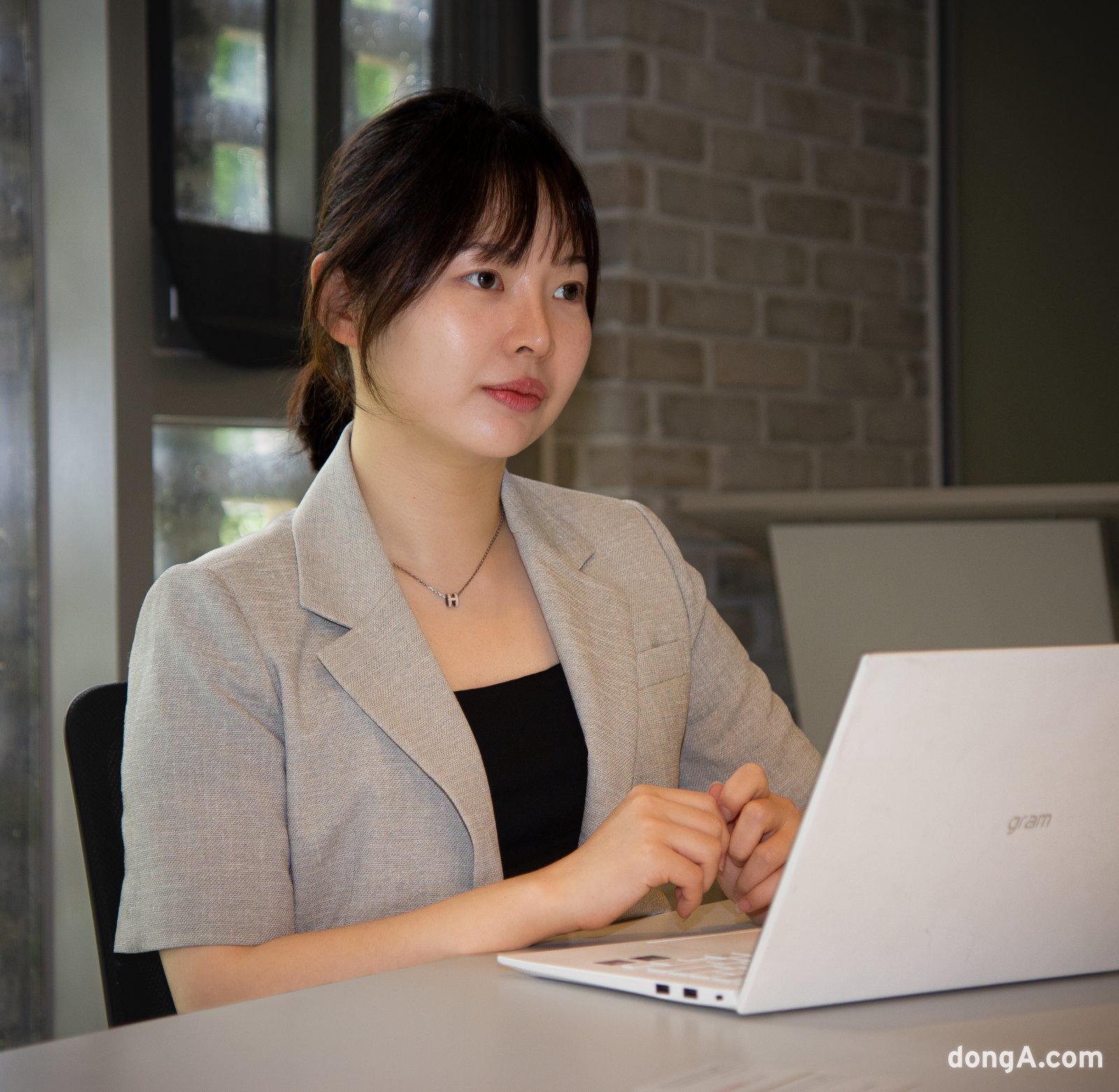
Photo = Reporter Kim Young-ho rladudgh2349@donga.com
Kim founded Korea Deep Learning at age 22 while attending Kyung Hee University. Both of her parents were developers, and her father ran a software business. She said she learned not glamorous success stories but how to survive in the business field from her parents.
“My parents told me to look not at whether the technology looks cool, but at whether customers would actually be willing to pay for it.”
As a college student, Kim imported and sold AirPods cases and also produced and sold custom padded jackets for school groups. Through this, she learned that developing technology and building a business with that technology are different matters.
“No matter how good the technology is, it is meaningless if there is no clear utility that makes customers willing to pay. From the beginning, I wanted to create technology that someone would actually pay to use.”
However, when a student who had not even graduated from university said she would start an AI company, the reaction around her was cold. Professors and seniors asserted that she would fail.
Kim thought she needed to compensate for the lack of trust with the company’s image. She named the firm “Korea Deep Learning” and designed the brand so that it would look like an established tech company rather than a fledgling startup.
“It was natural that I, being young, was not trusted. So I thought at least the company should look like a trustworthy technology firm from day one.”
● “There is no OCR market…only a workflow automation market”Korea Deep Learning entered the market with Optical Character Recognition (OCR) technology. Its first client was a public institution that needed to recognize addresses on shipping labels at logistics sites. AI reread items that workers had been sorting manually due to barcode errors, reducing on-site workloads.
Kim said, “It is easy to think that AI takes people’s jobs, but in reality, it reduces repetitive tasks that no one wants to do, so frontline workers are often the first to inquire about adoption.”
Today, Korea Deep Learning has shifted from a company that simply reads documents using OCR to an “AI worker” company that also performs judgment and follow-up tasks. Instead of just extracting information from loan documents, it determines loan eligibility, identifies missing documents, and flags risk factors requiring additional checks.
The company calls this the “3-Zero AI Worker”: “Zero Training,” which does not require repeated separate training; “Zero Hallucination,” which reduces hallucinations by generative AI; and “Zero Review,” where only exceptional items are reviewed by humans.
Korea Deep Learning’s strength lies in the data it has accumulated over seven years by processing complex, unstructured documents in public, financial, and manufacturing environments. Its proprietary VLM model outperformed general-purpose models such as those from Google and OpenAI in global document and multimodal benchmarks.
“General-purpose VLMs are built to handle a wide variety of tasks, but documents from industrial sites all have different formats and expressions. For seven years, we have dealt only with this kind of ‘dirty data’.”
● “In AI competition, the decisive factor is not the model but data and the field”
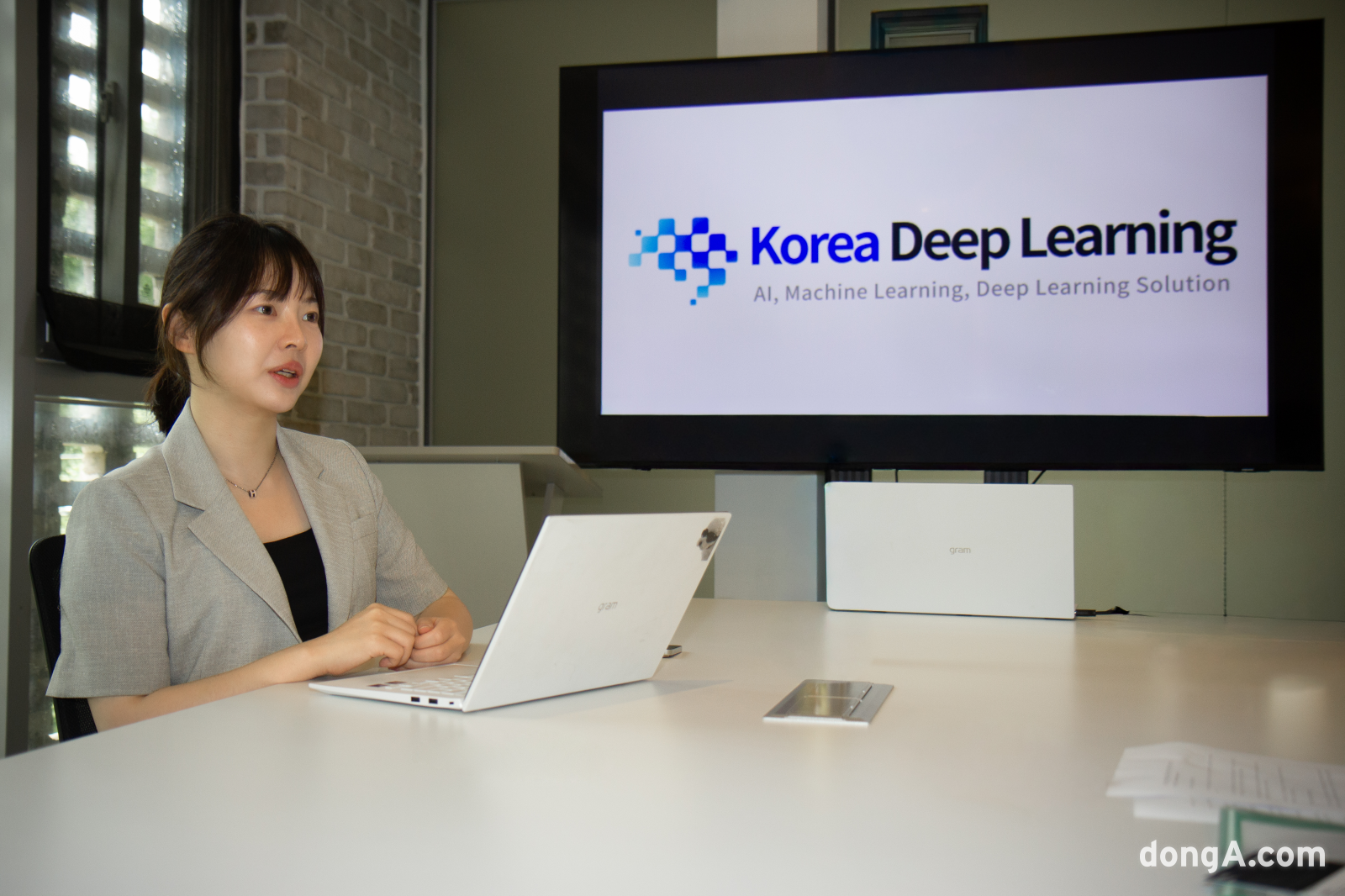
Photo = Reporter Kim Young-ho rladudgh2349@donga.com
Recently, as global companies such as Google, OpenAI, and Alibaba have competitively improved their models, AI technology has advanced faster than expected. Kim believes that the stronger the models become, the more important the data and services that connect them to real-world workflows will be.
When companies and governments embark on AI transformation, the first problem they face is not the model but the data. Each institution and company holds different documents and ways of working, so they must organize their data into forms that AI can use. Models can be replaced, but data organized to fit the organization remains.
“The Dong-A Ilbo’s data and another media company’s data are different. Each institution and company must organize its proprietary data so that when a new model emerges, it can be swapped in and used. I see document AI as the foundational infrastructure at the very front of all AI transformation.”
● “Fast but impatient”…the trial and error of a young CEOKim cited as an advantage of starting a business at a young age the fact that “having no experience means not being seasoned, but also means not being afraid.” With less burden in changing the existing business, the company was able to pivot quickly from an OCR firm to an AI agent company.
On the other hand, fast decision-making also left a trail of trial and error.
“At first, I lacked the seasoned ability to adapt to each person’s different temperament and pace. Looking back now, many faces come to mind that I feel sorry about. I am still learning how to stay true to the vision while also taking good care of people.”
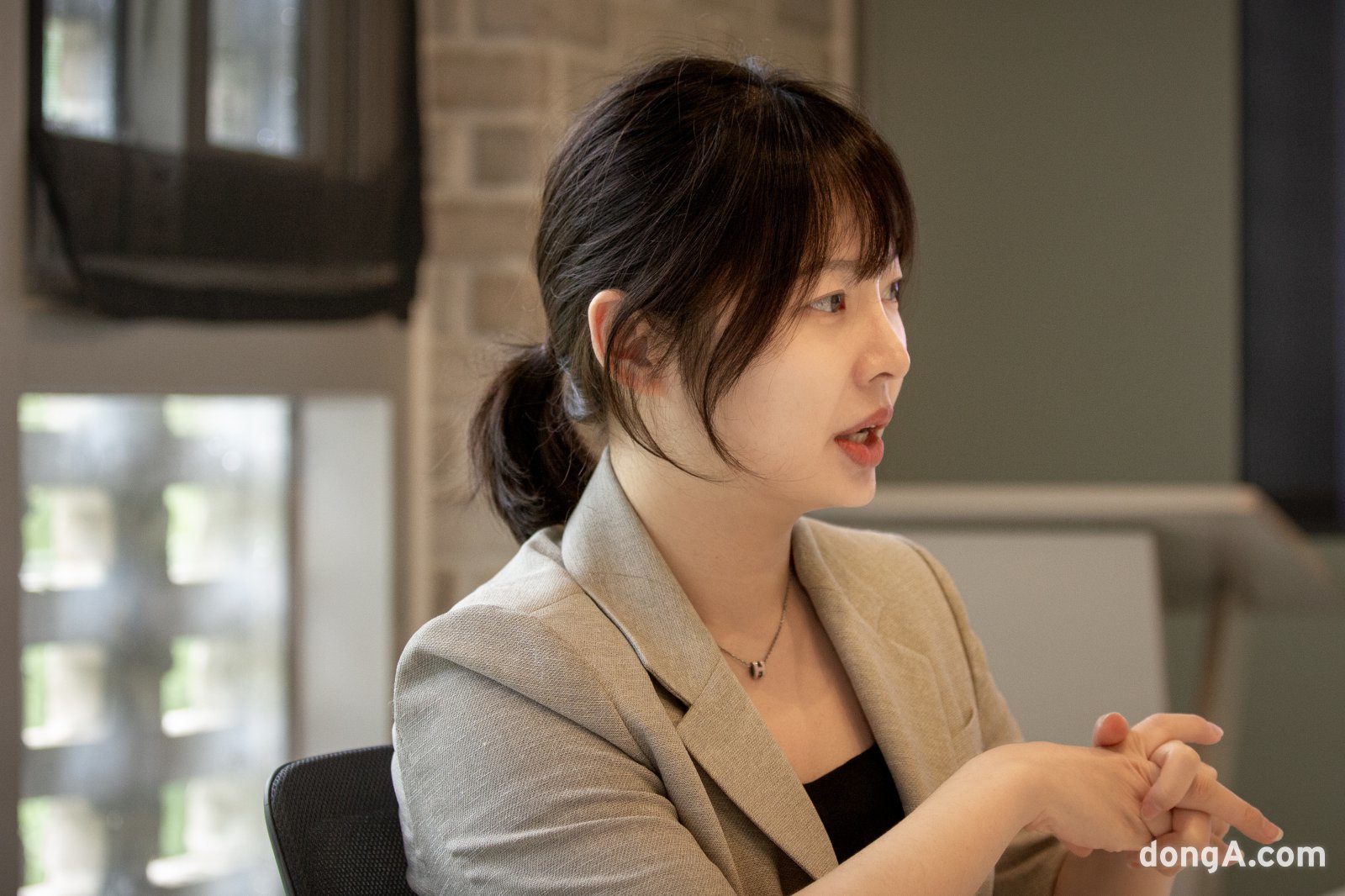
Photo = Reporter Kim Young-ho rladudgh2349@donga.com
Korea Deep Learning values speed and tenacity in its organizational management. Whether the issue is technical or related to a client’s workflow, the company emphasizes not stopping at “it cannot be done,” but pursuing a solution to the end.
Kim believes that even in the AI era, competitiveness ultimately comes from problem-solving ability.
“Nowadays, anyone can use AI to write text or create materials. But the experience of continuing to ask questions and look for other ways, even with a headache, until the problem is finally solved is not easily replaced.”
● “How did we work before this existed?”What Korea Deep Learning ultimately wants to build is foundational software that public, financial, and manufacturing companies naturally use in their operations. The goal is for document AI to become a service, like messengers or email, that makes it hard to remember how things worked before it existed.
“Ten years from now, I hope people will think, ‘How did we work before this existed?’ I want to help create an era in which it is natural to assign tasks to AI agents, just as we tell people to organize materials.”
She also had a message she wished she could give her 22-year-old self.
“Back then, when someone said, ‘This is not just fast, it is impatient,’ I was shaken for a long time. If I could go back now, I would say: think things through sufficiently, but if you judge that the principles and values you have set are right, move forward with more resolve. The path I take is not a pre-existing path but one I am creating myself.”
Photo = Reporter Kim Young-ho rladudgh2349@donga.com
This series documents the time and experience of entrepreneurs that are hidden behind numbers and performance figures. From failures and crises to technology and people, and the choices that lead to recovery, it reexamines the meaning of “success” through the lives of Korean business leaders who have navigated a fiercely competitive era.
ⓒ dongA.com. All rights reserved. Reproduction, redistribution, or use for AI training prohibited.
Popular News







 About Dong-A Ilbo