Getty Image Bank
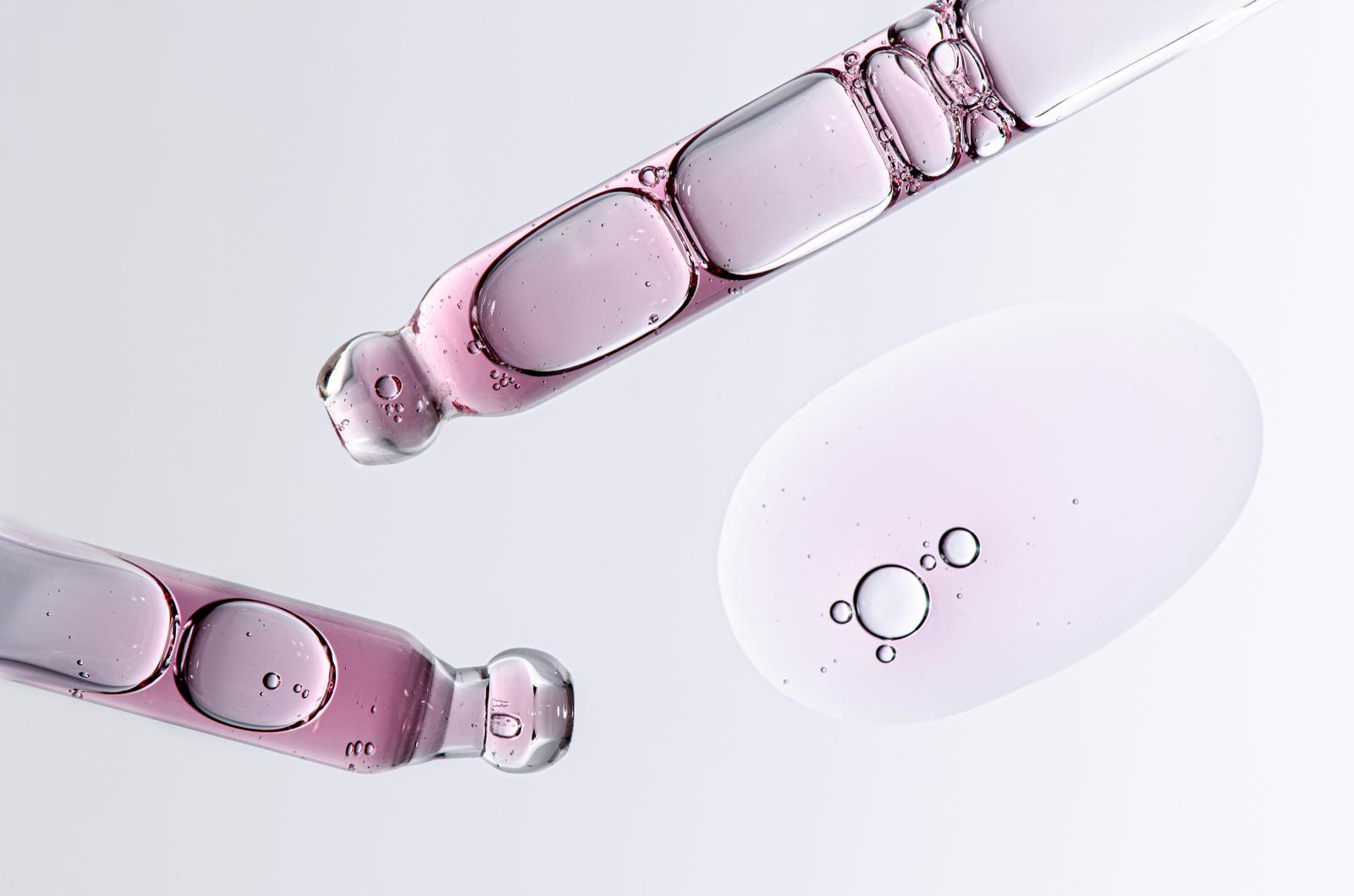
Cosmetics that highlight pharmaceutical and bio technologies, such as those using “salmon DNA” as an ingredient for research on cellular aging, are being launched one after another. As demand for high-functionality cosmetics grows among the “Young Old” generation—older consumers who aim to delay aging in a healthy way rather than conceal it—pharmaceutical companies are moving to penetrate the derma-cosmetics market by leveraging their drug research experience and credibility.
● Revenue faster than drugs… emerging growth axis for pharmaceutical firmsDerma-cosmetics is a compound word of “dermatology,” meaning skin science, and “cosmetics,” and refers to cosmetic products that emphasize skin-improving functions and research-based ingredients. Medical professionals such as physicians and pharmaceutical companies participate in research and development (R&D) to ensure that both the safety of cosmetics and the efficacy of pharmaceuticals can be pursued, and the category is characterized by incorporating a “treatment” concept into cosmetics.
As demand surges from the Young Old generation, which does not give up on skin health and appearance care with age, the derma-cosmetics market is rapidly expanding in scale. According to the Ministry of Food and Drug Safety on the 20th, domestic production of functional anti-wrinkle cosmetics increased from KRW 1.1711 trillion in 2022 to KRW 2.5593 trillion in 2024, more than doubling in just two years, and last year remained at around KRW 2 trillion. Fortune Business Insights projected that the global derma-cosmetics market will more than double from USD 47.91 billion (about KRW 70 trillion) last year to USD 117 billion (about KRW 173 trillion) in 2034.
In line with this market expansion, domestic pharmaceutical companies are successively launching products that incorporate their own research experience. Kwangdong Pharmaceutical introduced the derma-cosmetics brand “Cellontia” in early July. Its core ingredient, urolithin A, is a metabolite converted by gut microbiota from the polyphenol components of red fruits such as pomegranates. Urolithin A is being studied as an ingredient that can help remove senescent cells and improve skin elasticity by activating “mitophagy,” a cellular self-cleaning function. Hanmi Science also launched the derma-cosmetics brand “ADESSI” in May this year and released a serum containing salmon DNA ingredient (PDRN). Around the same time, Yuhan Corporation introduced a cosmetics brand emphasizing its vitamin research experience, illustrating how traditional pharmaceutical firms have been entering the market this year.
Captured from Dongkook Pharmaceutical product detail page
Developing a new drug can take more than 10 years for results to materialize even after heavy investment, whereas cosmetics can be developed and launched relatively quickly, and sold directly to consumers, enabling early revenue generation. A representative case is Dongkook Pharmaceutical’s derma-cosmetics brand “Centellian24,” which was created by expanding the use of a centella asiatica-derived ingredient previously applied in wound treatments; the brand surpassed cumulative sales of KRW 1 trillion in 2024, 10 years after its launch.
An industry insider said, “Not only can pharmaceutical firms secure cash flow, but the credibility that comes from being a ‘company that makes medicines’ is also an asset that differentiates them from general cosmetics companies,” adding, “This is why pharmaceutical companies are nurturing cosmetics as an independent growth business rather than a simple side line.”
● ‘Pharmaceutical company products’ are not drugsHowever, the fact that a pharmaceutical company manufactures a product does not guarantee drug-level efficacy. PDRN injections, which are delivered directly into the skin, and cosmetics applied to the skin surface differ in mode of delivery, and research on how bio-substances act inside the body does not automatically translate into cosmetic efficacy. This is because research results on the raw material itself and the actual effects of cosmetics containing that ingredient can differ.
Cho Hang-rae, academic director of the Korean Dermatologists Association, said, “Because the bio-ingredients that can be registered as cosmetics are predetermined, one should not expect drug-level effects just because they are made by a pharmaceutical company.”
ⓒ dongA.com. All rights reserved. Reproduction, redistribution, or use for AI training prohibited.
Popular News











 About Dong-A Ilbo