Paper by Kim Hyun-sung, Director of Cheongdam Harrison Hospital
Featured on the July cover of the Journal of Neurosurgery
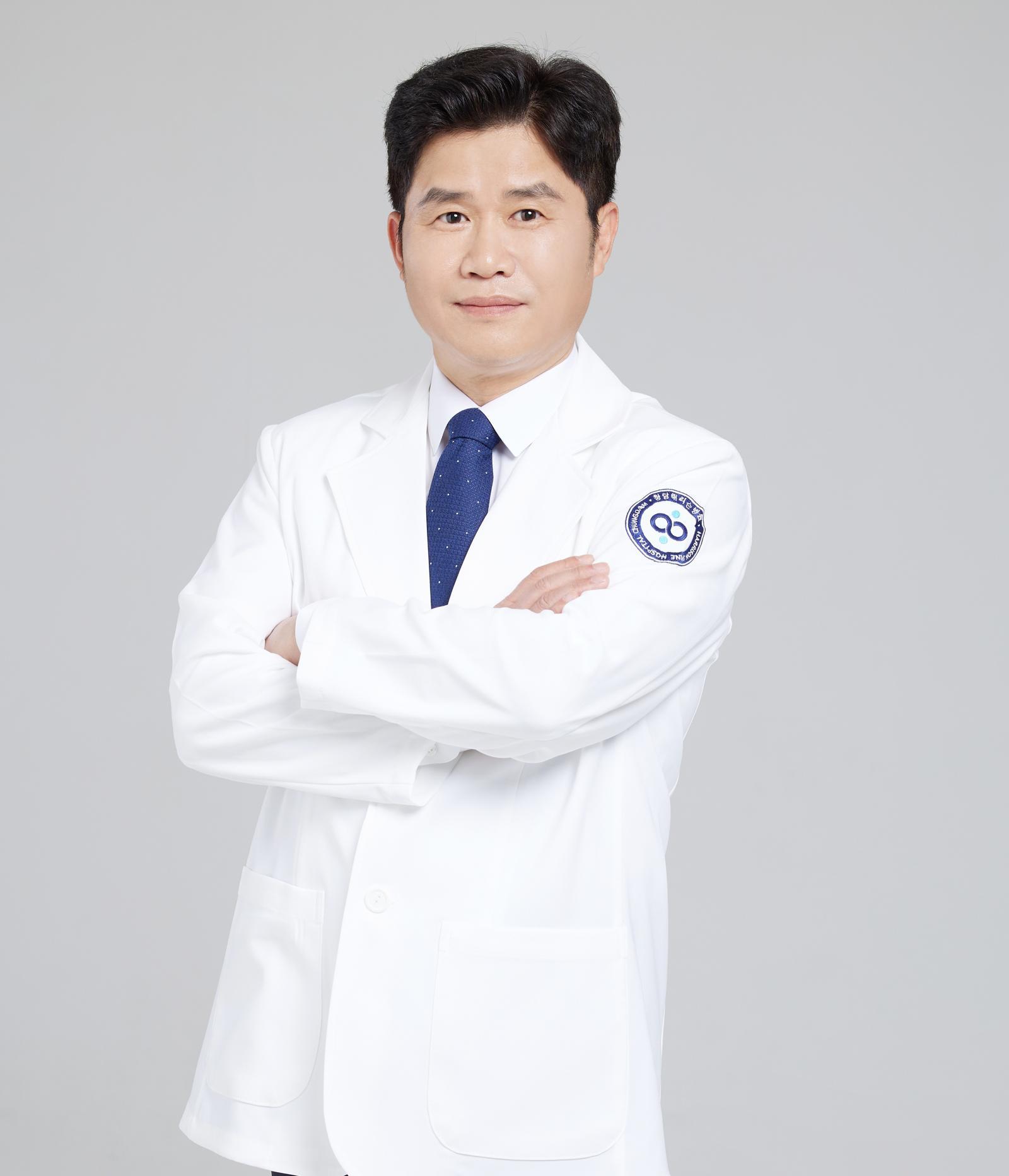
Hospital Director Kim Hyun-seong
When cervical disc herniation or cervical spinal stenosis worsens and compresses the spinal cord, it can progress beyond numbness or weakness in the hands and feet to gait disturbance and even paralysis. In particular, cervical myelopathy surgery is highly complex, so developing a treatment that sufficiently decompresses the nerves while reducing the patient’s burden has long been regarded as a major task in spinal surgery.
Hospital Director Kim Hyun-seong of Cheongdam Harrison Hospital has drawn international academic attention with research on a minimally invasive surgical technique that may address this challenge. His research paper has been selected as the cover article for the July 2026 issue of the Journal of Neurosurgery: Spine, a leading global spine journal.
The Journal of Neurosurgery: Spine is a representative international journal in the spine field and selects one cover article each month from among the published papers through a rigorous review process, based on their academic value and clinical impact. The cover selection signifies that Director Kim’s research has been recognized in the international academic community for both its technical sophistication and clinical utility.
The cover article is titled “Early Clinical and Radiological Outcomes of Unilateral Laminotomy for Bilateral Decompression Under Full-Endoscopic Unilateral Approach for Cervical Spinal Stenosis.” The study analyzed treatment outcomes and safety after performing single-portal endoscopic spine surgery on patients with cervical spinal stenosis and cervical myelopathy.
Cervical myelopathy is a condition in which the spinal cord within the cervical vertebrae is compressed, causing symptoms such as numbness and sensory disturbances in the hands and feet, muscle weakness, and gait disturbance. As symptoms progress, they can cause significant discomfort in daily life, and there is a possibility that nerve damage may not be reversible, making it crucial not to miss the appropriate treatment window.
Conventional surgeries have often required wide skin incisions and extensive bone removal, imposing a considerable burden due to bleeding, tissue damage, and postoperative pain. The single-portal endoscopic spine surgery developed in Director Kim’s research is a minimally invasive technique that accesses the lesion through a small incision and selectively removes only the structures compressing the nerves. A key feature is that it reduces damage to normal tissue while still achieving sufficient decompression.
This study is significant in that the early follow-up results demonstrate that this surgical technique is both safe and effective in real-world clinical settings. It has drawn interest from the international academic community, particularly for presenting a new therapeutic option for the highly challenging treatment of cervical myelopathy.
Recently in spinal surgery, minimally invasive treatments that reduce incision size and shorten recovery periods have been rapidly spreading. With advances in endoscopic technology, indications are expanding from lumbar to cervical spinal disorders, and active research is under way to reduce the surgical burden on patients while improving treatment outcomes.
Director Kim has continued academic activities by publishing numerous papers in international journals, mainly in the field of endoscopic spine surgery, and presenting his research findings at academic conferences in Korea and abroad. He stated, “The selection of this paper as a cover article is a great honor for all of our medical staff,” adding, “It is highly meaningful in that it suggests a way to safely treat cervical myelopathy—previously considered difficult to manage—through single-portal endoscopy.” He continued, “We will strive to ensure that endoscopic spine surgery becomes a new paradigm in spinal treatment, and will continue our research to provide patients with safer treatments and better prognoses in the future.”
ⓒ dongA.com. All rights reserved. Reproduction, redistribution, or use for AI training prohibited.
Popular News









 About Dong-A Ilbo