[Specialized Hospital – S Pohang Hospital] Diagnosis, procedures, and surgery all in one place Fruit of 24-hour “direct specialist care” Emerging as a frontline base for regional emergency medicine
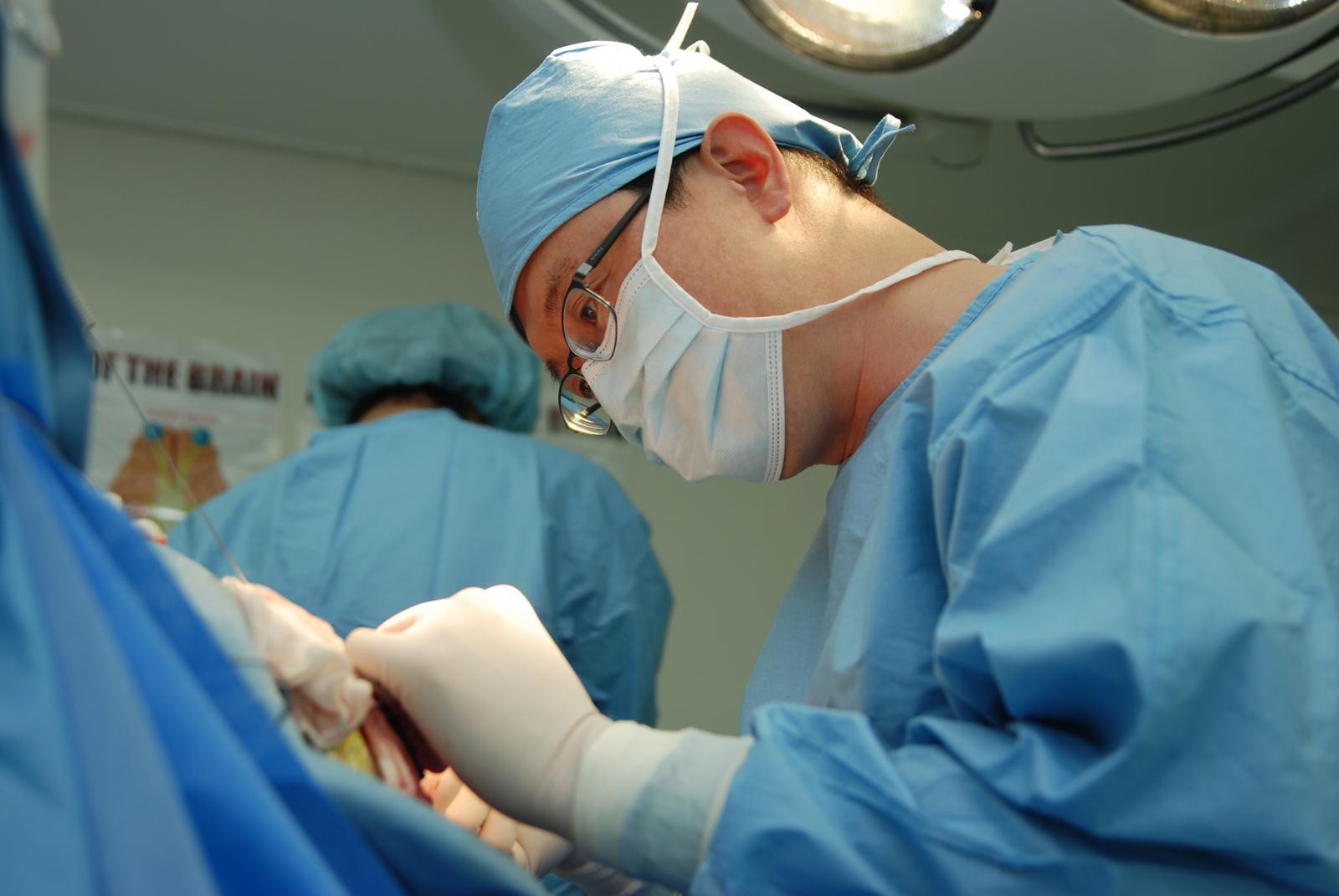
Director and CEO Kim Moon-cheol performing brain surgery.
The Ministry of Health and Welfare–designated cerebrovascular specialty hospital S Pohang Hospital (Director and CEO Kim Moon-cheol) is taking the lead in strengthening regional emergency medical capabilities by establishing a rapid response system for the treatment of patients with acute stroke (cerebrovascular accident).
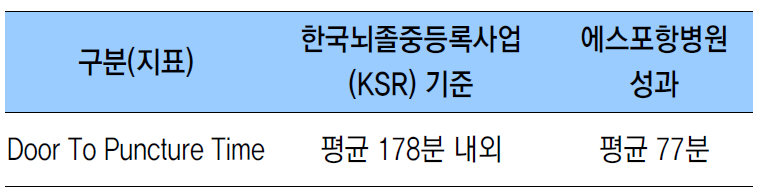
In particular, the hospital has recorded an average of 77 minutes from emergency room admission to entry into the operating room, significantly outperforming the domestic average of 178 minutes announced by the Korean Stroke Society, drawing attention from the medical community.
Acute stroke, caused by blockage or rupture of cerebral blood vessels, can lead to serious aftereffects and even be life-threatening if the treatment window is missed, making the securing of the “golden time” of paramount importance. In response, S Pohang Hospital has established and is operating a “one-stop stroke treatment system” in which related departments such as neurosurgery, neurology, and radiology cooperate in an integrated manner.
Notably, S Pohang Hospital maintains a 24-hour emergency cerebrovascular care system, under which neurosurgery and neurology specialists, rather than on-call emergency physicians, are on-site even at night and on holidays, enabling immediate response. Specialists directly examine emergency patients, rapidly perform essential tests such as CT and MRI, and then promptly decide on surgery or procedures. All members of the specialist medical staff are physicians with extensive experience in highly complex cerebrovascular surgery and endovascular interventions.
The “average 77 minutes” achieved by S Pohang Hospital means that every step in the complex chain—from the moment the patient walks through the emergency room door, through initial registration, vital sign measurement, the first specialist consultation, advanced imaging examinations such as CT and MRI, image interpretation, obtaining informed consent from guardians, and preparation for anesthesia and the operating room—operates in a tightly coordinated manner without a single misstep.
S Pohang Hospital also highlights an advanced system from a spatial perspective. When it relocated in 2017 to its current site in Daee-dong, Nam-gu, it was designed with a layout that minimizes movement lines so that examinations and treatment can begin as soon as an emergency patient arrives at the hospital. The system offers the hardware advantage of enabling diagnosis, procedures, and surgery to proceed consecutively within a single integrated space.
Cho Sun-hee
AI-translated with ChatGPT. Provided as is; original Korean text prevails.
ⓒ dongA.com. All rights reserved. Reproduction, redistribution, or use for AI training prohibited.









 About Dong-A Ilbo