As more than 70% of protein pharmaceuticals, including immune-oncology drugs, depend on Chinese hamster ovary cells, some scientists are drawing attention by studying eggs as a low-cost alternative candidate. Photo credit: Wikimedia
The majority of the world’s best-selling medicines, including the representative immune-oncology drug Keytruda, are protein-based. More than 70% of the production of such protein therapeutics relies on a high-cost platform known as “Chinese hamster (scientific name Cricetulus griseus) ovary cells (CHO cells).” Some scientists are now proposing “eggs” as a next-generation production base to replace CHO cells, prompting interest in whether this could bring change to the protein pharmaceutical manufacturing approach that has remained firmly in place for decades.
● Over 70 years of “Chinese hamster dominance”According to the scientific community on the 7th, the current CHO cell platform accounts for more than 70% of all protein pharmaceutical production and maintains an overwhelming position. The history of CHO cells began when Chinese hamsters, which were being raised for research purposes, were brought to the United States. At the time, biotechnologists preferred cell lines with a low chromosome number, and the Chinese hamster fit this requirement. Escherichia coli (scientific name E. coli), the main research subject, showed limitations in producing complex human proteins or protein-based drugs. As a bacterium, E. coli cannot perform glycosylation—the biochemical process by which sugar molecules bind to proteins—unlike human cells, which led to problems such as aggregation of designed proteins and cytotoxicity.
Han Jae-yong, a professor at the Animal Biotechnology Laboratory at Seoul National University, explained, “Chinese hamster ovary cells are mammalian cells that can perform protein folding and glycosylation similar to humans, and they exhibit fewer genetic variations than other cell lines, which was advantageous for obtaining regulatory approval.”
In the 1950s, U.S. biologist Theodore Puck succeeded in culturing “immortalized” CHO cells and distributed them free of charge to scientists worldwide. Immortalized cell lines are cells that, through mutation, avoid normal cellular aging and are engineered to continue dividing. They can be cultured in vitro over long periods. Since then, CHO cells have become such a universal research model that they are often referred to as the “E. coli of mammals,” likened to E. coli, the representative organism that drove advances in biotechnology.
● Focus on eggs for low-cost, large-scale production
Photo credit: Getty Images Bank
Because CHO cells are extremely sensitive to changes in oxygen, acidity (pH), and temperature compared with microorganisms, high-priced control equipment known as “bioreactors” is essential. Professor Han said, “In the early days, production costs were as high as USD 10,000 per gram of protein, making the process highly uneconomical,” adding, “Currently, the cost has fallen to around USD 100 per gram, but the expense of supplying synthetic media and growth factors remains enormous.”
There have been continuous attempts to switch from CHO cells to other cell lines, but global protein pharmaceutical production processes and regulatory approval frameworks are already aligned with the CHO platform, creating a high entry barrier. Professor Han noted, “Ultimately, this has reduced the flexibility of drug production planning and resulted in a rigid industrial structure.”
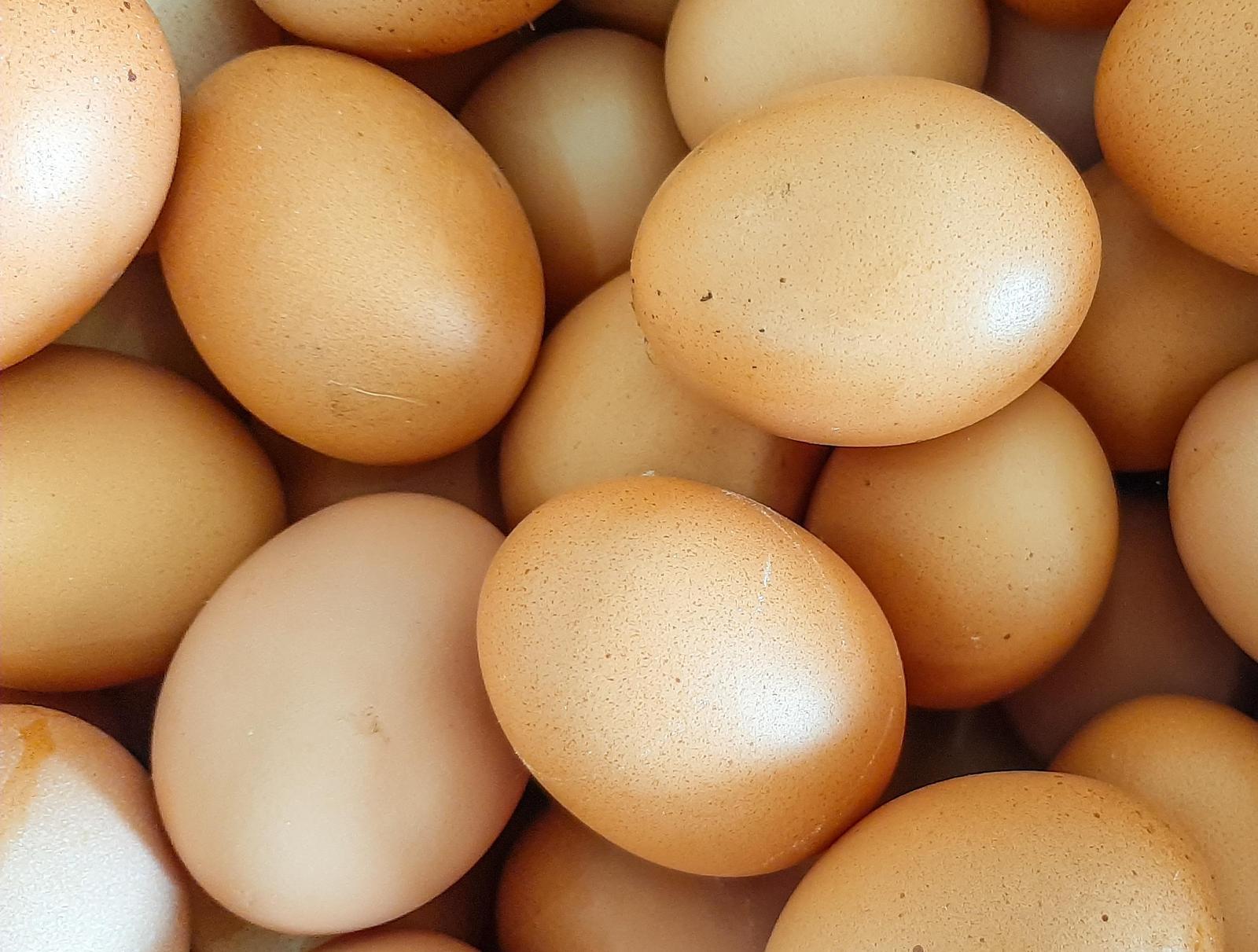
Professor Han’s team and some other scientists are focusing on an egg-based bioreactor system as a practical alternative. The principle is to recombine the genes of primordial germ cells (PGCs) that produce eggs so that eggs generate protein pharmaceuticals. Chickens lay more than 300 eggs per year, and each egg can produce about 100 mg of recombinant protein. In other words, just 10 eggs can yield 1 g of the target protein.
They explain that CHO cell plants costing hundreds of KRW billion could be replaced with simple chicken-rearing facilities, and that inexpensive feed supply would be sufficient instead of costly culture media. The ability to freely scale production up or down is another advantage. A current challenge is to increase the expression level of recombinant proteins.
Avinogen, a startup founded in 2022 as an in-campus venture by Professor Han, is pursuing protein production and the development of new functional poultry breeds based on primordial germ cell gene-editing technology.
In March this year, U.S. biotechnology startup “Nayon Bio,” which focuses on commercializing an egg-based protein pharmaceutical production platform, also announced that it had signed its first joint development and supply agreement with major global pharmaceutical companies.
Beyond eggs, there are also plant-based mass production methods that utilize tobacco leaves, rice, moss, and other crops in greenhouses, as well as approaches that improve glycosylation-capable microorganisms such as yeast and fungi. Cell-free methods that skip cultivation and directly synthesize the target proteins are also considered innovative attempts.
Professor Han stated, “In the future biopharmaceutical market, the existing CHO cell-based system will continue to play a central role, while new platforms will divide the market according to their respective strengths, leading to a restructured division of labor.” He added, “Microbial and plant platforms will supply mass-market drugs with strong price competitiveness, while new platforms such as egg bioreactors could lead the high-functionality antibody drug market based on their outstanding safety and low-cost, large-scale production capabilities.”
Bioreactor
A bioreactor that uses organisms, cells, or enzymes to produce new substances or trigger biochemical reactions. It controls environmental conditions such as temperature, oxygen, and pressure, and supplies nutrients.
ⓒ dongA.com. All rights reserved. Reproduction, redistribution, or use for AI training prohibited.
Popular News











 About Dong-A Ilbo