Interview with Noh Seung-won, Head of Optical Solutions Division
Leveraging Apple’s No.1 supplier know-how and robot synergy… Adopted in ‘Atlas’ and more, full-scale mass production from next year
AI sensor market projected to grow from KRW 7 trillion to KRW 259 trillion, “We will become a physical AI leader beyond smartphones”
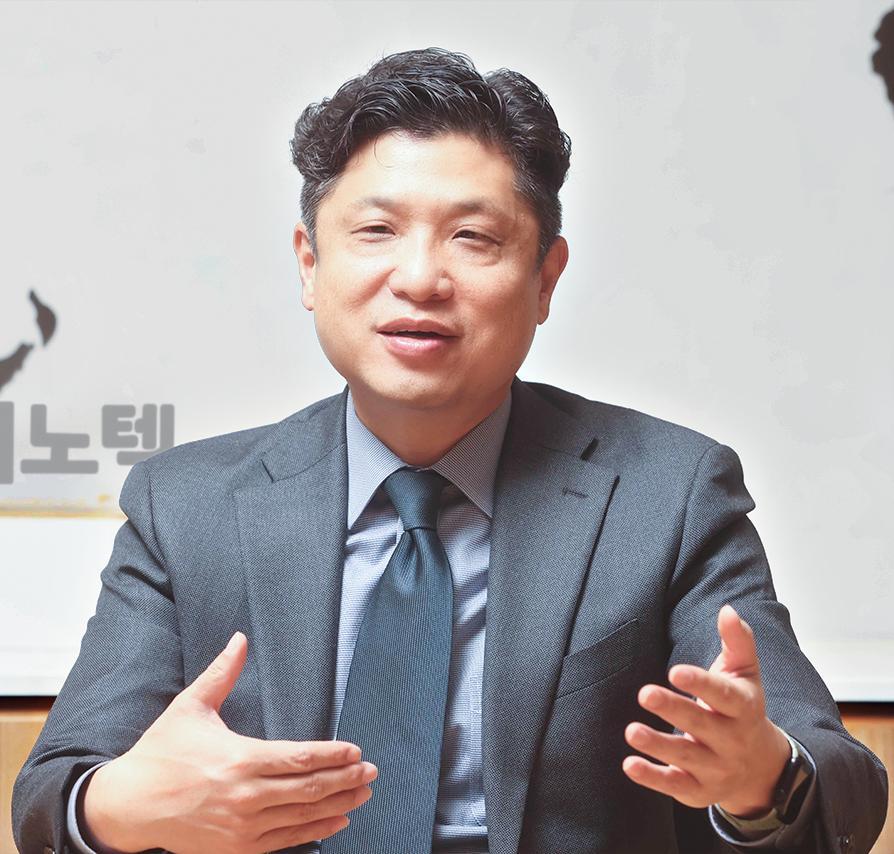
Noh Seung-won, Head of LG Innotek’s Optical Solution Business Unit (Executive Vice President), during an interview with the Dong-A Ilbo. LG Innotek
“We are in talks with around 10 robot-related clients in North America and Europe regarding orders. Having proven our technological capabilities in sensors over a long period through smartphone cameras, we are confident of being a ‘top-tier’ player in the physical artificial intelligence (AI) market as well.”
Noh Seung-won, Head of LG Innotek’s Optical Solution Business Unit (Executive Vice President), presented this ambition in a recent interview with the Dong-A Ilbo. As the era of physical AI arrives, in which AI is applied to real physical spaces such as robots and autonomous driving, sensors that serve as the “eyes” of devices are drawing attention. LG Innotek, which has accumulated extensive know-how as the No. 1 supplier of camera modules for Apple’s iPhone, is leveraging this strength and currently receiving multiple “love calls” from various clients in the physical AI market.
● Successive partnerships with firms including Boston Dynamics
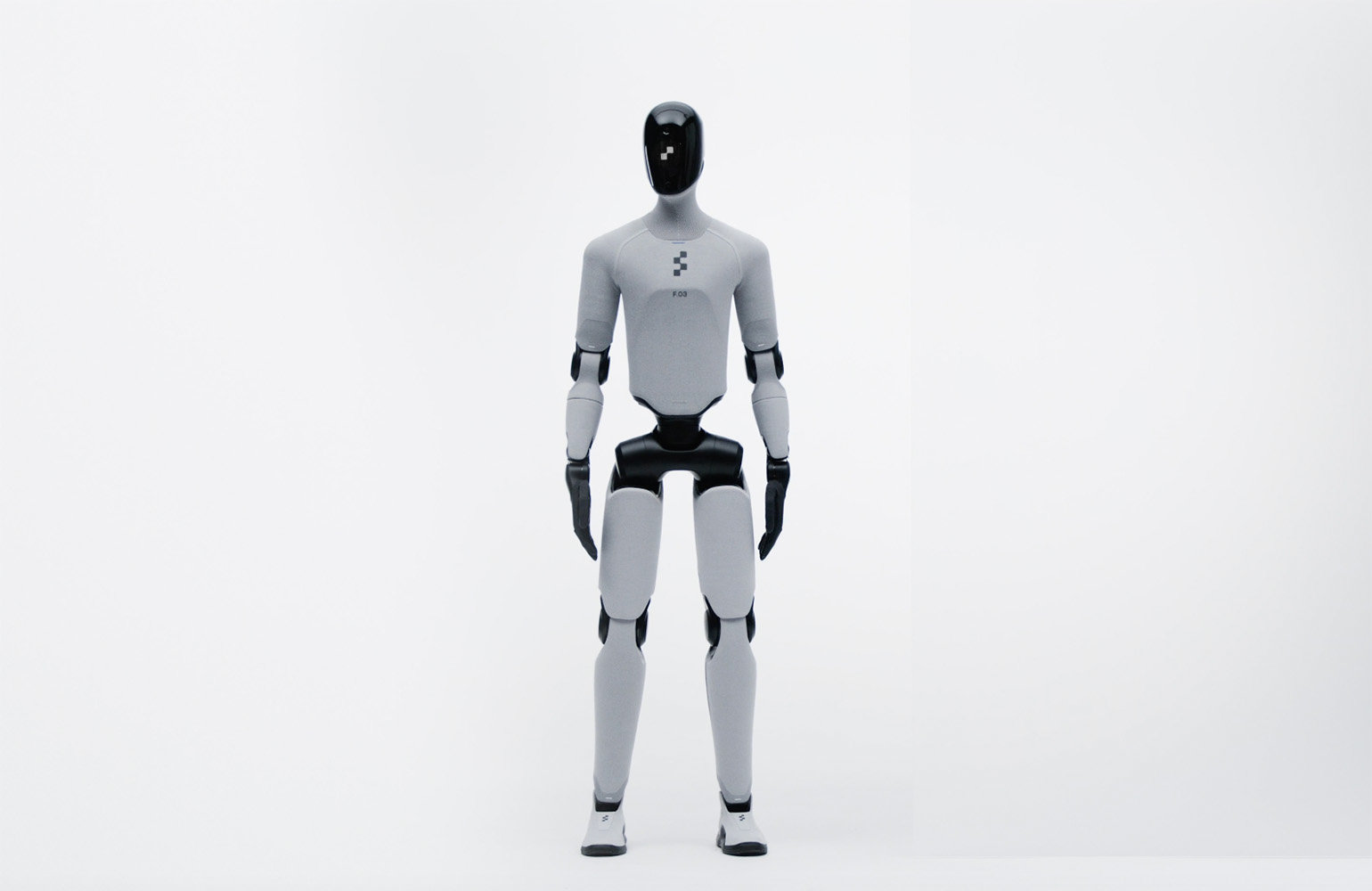
Humanoid robots of major global tech companies. Figure 03 of Figure AI. Provided by Figure AI
Boston Dynamics, a U.S. robot manufacturer under Hyundai Motor Group, is a representative example. In May last year, LG Innotek signed a partnership with Boston Dynamics for collaboration on robot components and is jointly developing a “vision sensing system.” It is scheduled to be installed in Boston Dynamics’ humanoid robot “Atlas,” with mass production expected to begin after next year.
LG Innotek is also pushing to supply camera modules for robots to a major Big Tech company in North America known for autonomous driving and electric vehicles. LG Innotek had previously won orders related to autonomous driving from this company, thereby strengthening their cooperation. At the regular shareholders’ meeting in March, LG Innotek CEO Moon Hyuk-soo stated, “All of the well-known humanoid robot customers in the United States are (working) with us,” adding, “The period for large-scale mass production of robot components will be 2027 and 2028.”
Demand for sensors used in physical AI is bound to increase as the robot and autonomous driving markets expand. This is because a single autonomous vehicle alone requires more than 20 sensors, and robots also incorporate at least around 10 sensors, or in some cases several dozen, depending on their form and use.
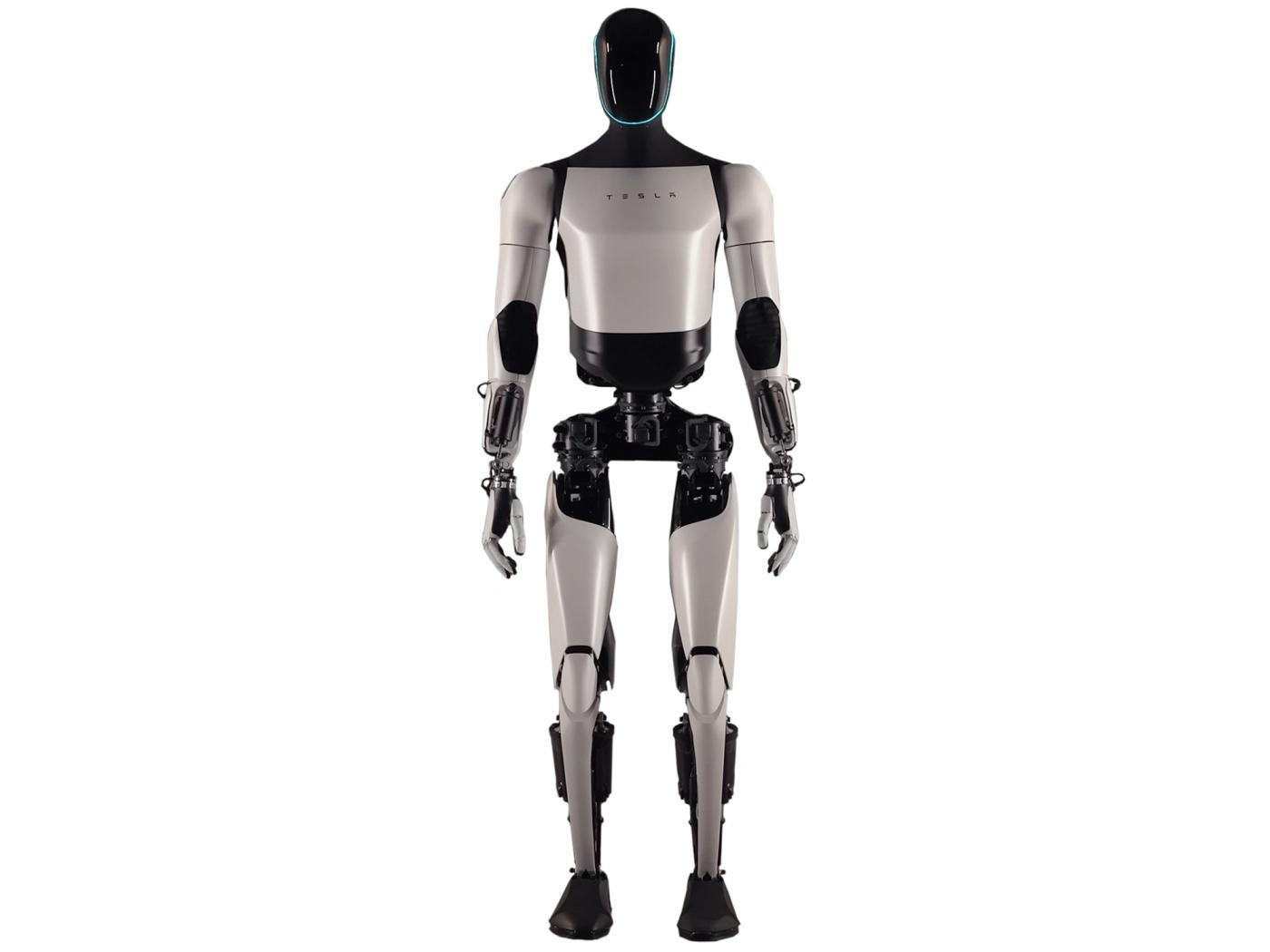
Humanoid robots of major global tech companies. Tesla’s Optimus 2. Provided by Tesla
Noh explained, “For example, when a robot lifts a glass in front of it, it has to determine how much pressure to apply when gripping it, and the sensor attached to its hand performs a role similar to human tactile sense.” According to market research firm Precedence Research, the AI sensor market, which was valued at USD 4.77 billion (about KRW 7 trillion) in 2024, is forecast to reach USD 178.03 billion (about KRW 259 trillion) in 2034, ten years from now.
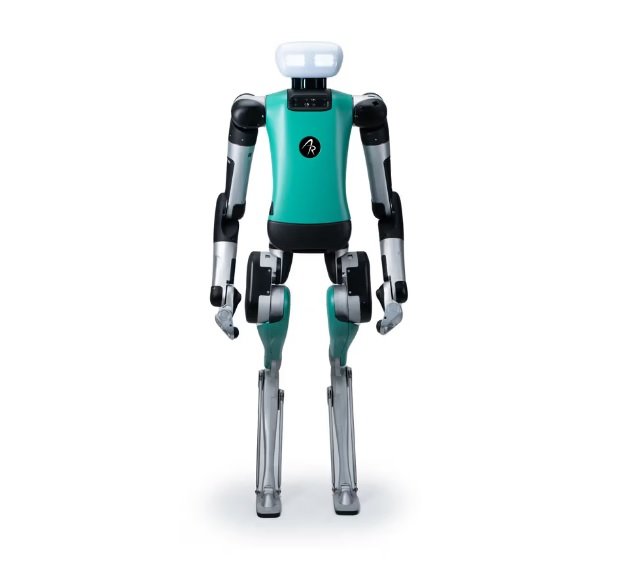
Humanoid robots of major global tech companies. Digit of Agility Robotics. Provided by Agility Robotics
● Confident in competition with China thanks to “overwhelming performance”Noh cited the combination of three types of sensors—camera, lidar, and radar—as the greatest strength of LG Innotek’s sensors. Camera sensors are specialized for recognizing and analyzing surrounding objects and people in high resolution, while lidar excels at precisely measuring distance using reflected laser light. Radar is highly effective at detecting space even in conditions where visibility is limited, such as rain or fog. Noh said, “LG Innotek is the only company that can manufacture all three sensors with in-house technology and provide them as a module,” adding, “We can develop sensors in various combinations according to client requests.”
Regarding competition with Chinese companies, he said, “Humanoid robots are directly connected to people’s daily lives, so safety issues are critical, and clients do not approach this based on price alone,” expressing confidence that “there is strong demand for sensors with high accuracy and outstanding performance.”
Noh stated, “We will now move beyond the equation ‘LG Innotek = smartphone’ and establish ourselves as a leading player in the era of physical AI,” and presented the vision that “just as we became ‘number one’ through intense competition in the smartphone market, we will become an unassailable leader in the robot and autonomous driving markets as well.”
ⓒ dongA.com. All rights reserved. Reproduction, redistribution, or use for AI training prohibited.
Popular News







 About Dong-A Ilbo