Efficacy analysis of dose escalation in patients with Crohn’s disease and ulcerative colitis Dose escalation confirms “rapid response recovery and sustained long-term efficacy” Published in the official journal of the Crohn’s & Colitis Foundation in the U.S. Zympentra prescriptions tripled in January this year Broader clinical evidence for efficacy data boosts prescribing preference
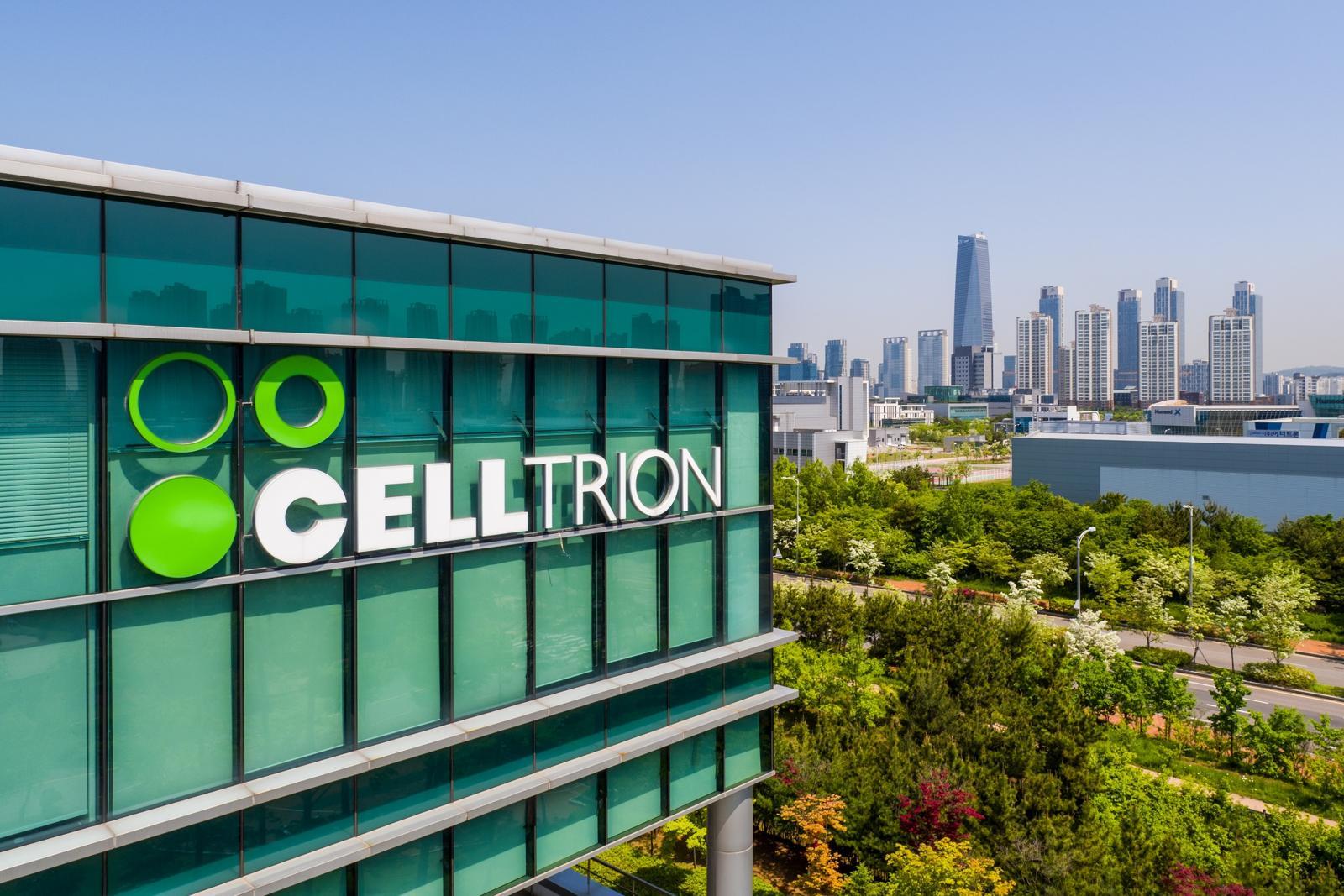
Celltrion Second Plant. Provided by Celltrion
Celltrion announced on the 2nd that a paper containing the post-hoc analysis results from the global Phase 3 clinical trial of “Zympentra (Remsima SC),” the world’s only subcutaneous (SC) formulation of infliximab, has been published in the latest issue of the international journal Inflammatory Bowel Diseases (IBD). The international journal IBD is also the official journal of the Crohn’s & Colitis Foundation, the world’s largest nonprofit organization supporting patients with inflammatory bowel disease and related research. Its impact factor ranks in the top 20% in the field, and it is recognized as highly authoritative in inflammatory bowel disease research.
The newly disclosed research presents a post-hoc analysis of data from 102 weeks of the Zympentra global Phase 3 clinical study. It analyzed the clinical efficacy of increasing the dose to 240 mg in Crohn’s disease (CD) and ulcerative colitis (UC) patients who experienced loss of response during treatment with the Zympentra 120 mg every-other-week maintenance regimen.
According to the study, more than 80% of CD and UC patients whose dose was increased regained their response, and most of them showed a rapid recovery of response within eight weeks after dose escalation. Patients who exhibited this early recovery of response were also found to have favorable outcomes across multiple indices used to evaluate long-term efficacy. The findings demonstrate that dose escalation plays a key role in improving treatment persistence.
Through this study, Celltrion explained that it has confirmed Zympentra dose escalation can serve as a practical treatment option for inflammatory bowel disease patients who struggle with loss of drug response. The company assessed that it has established clinical evidence enabling “treatment optimization” through patient-tailored prescribing.
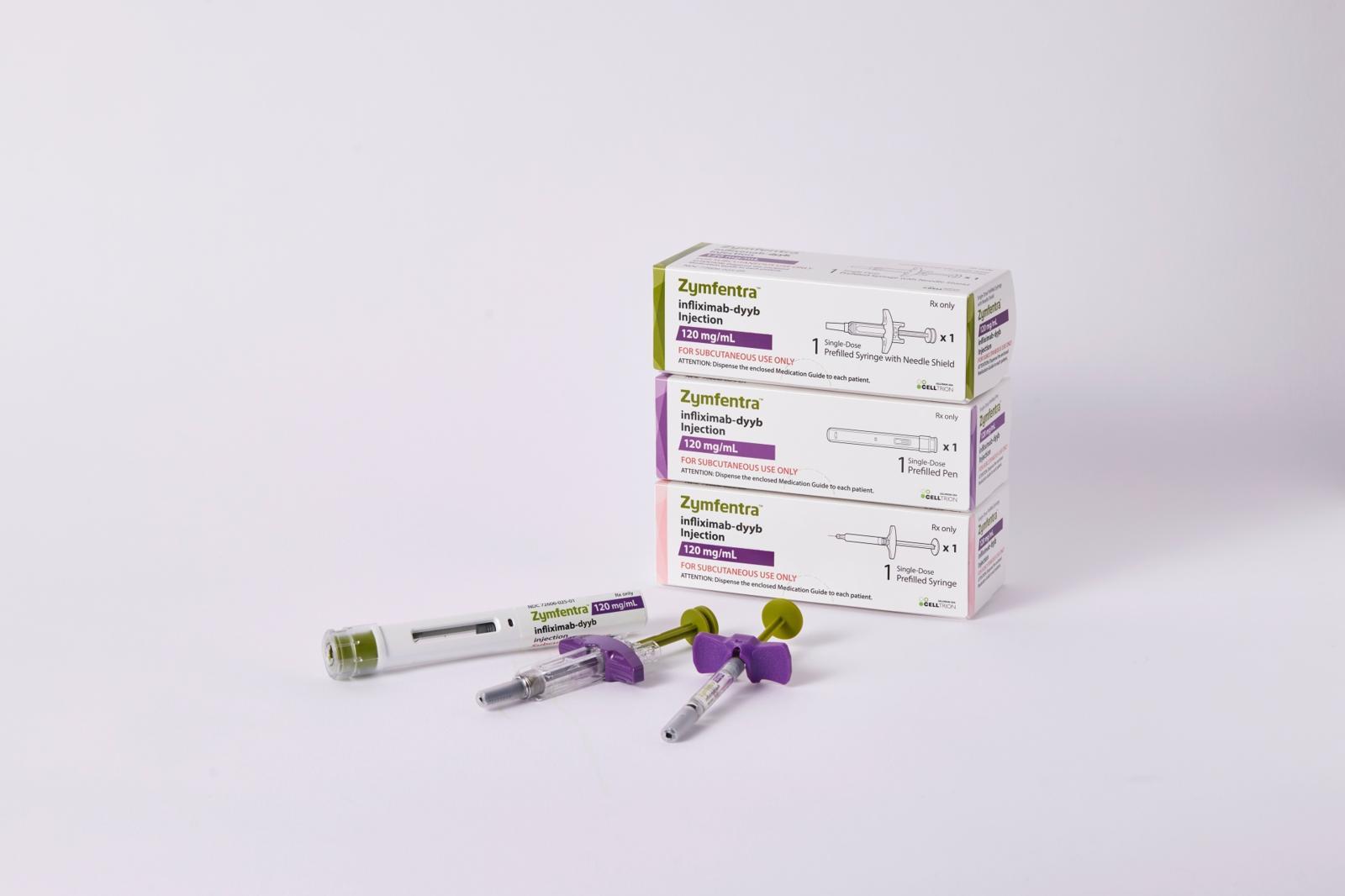
Celltrion Zympentra product image. Provided by Celltrion
Since the launch of Zympentra, Celltrion has been strengthening its medical marketing by consistently presenting diverse clinical data at major global conferences and in academic journals. In addition to the dose-escalation regimen covered in this study, it has secured a broad range of efficacy data, including: ▲ treatment response by disease location ▲ predictors of loss of response ▲ endoscopic and histologic remission rates ▲ long-term impact on immunogenicity. Celltrion expects that as these multifaceted data continue to accumulate, physicians’ trust in the product and their prescribing preference will further increase.
Robust clinical evidence and rising preference are translating into actual prescription performance. As of January this year, Zympentra recorded its highest-ever prescription volume, more than tripling year-on-year. In particular, prescription volume in January alone exceeded the entire figure for the first quarter of last year, underscoring its growth trajectory. Celltrion expects this growth trend to continue.
A Celltrion official said, “With the publication of the efficacy results of the Zympentra dose-escalation regimen in an international journal, the product’s competitiveness has once again been validated,” adding, “In the U.S. market, where prescriptions are currently increasing, the company will do its utmost to ensure that more patients can benefit from the excellent therapeutic advantages of Zympentra, supported by the continuous accumulation of clinical evidence.”
Kim Min-beom
AI-translated with ChatGPT. Provided as is; original Korean text prevails.
ⓒ dongA.com. All rights reserved. Reproduction, redistribution, or use for AI training prohibited.









 About Dong-A Ilbo