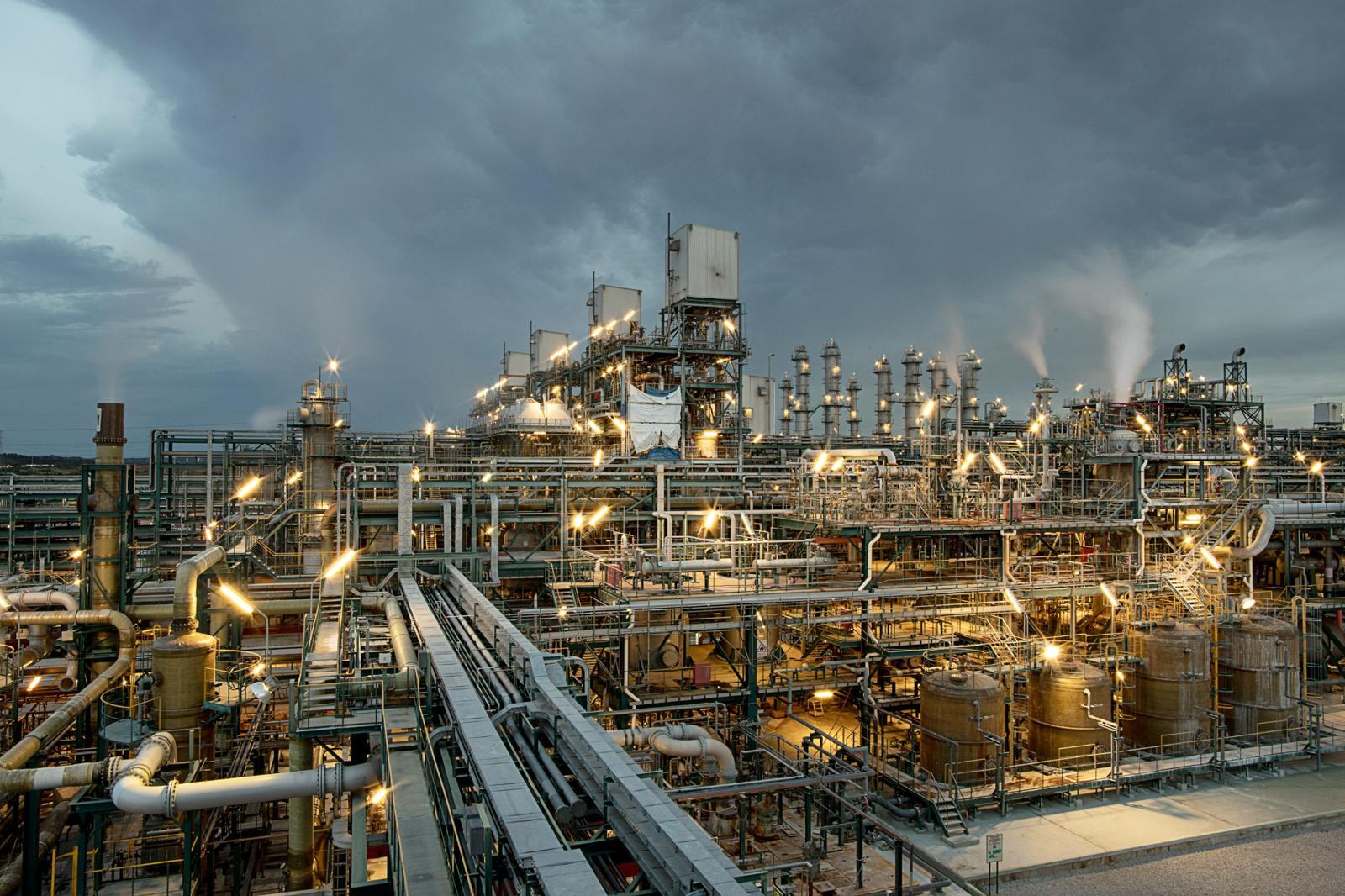
Panoramic view of OCI TerraSus in Malaysia. OCI Holdings
OCI Holdings announced on the 30th that it has attracted an investment of USD 120 million (approximately KRW 1,890 billion) from the International Finance Corporation (IFC), a member of the World Bank Group. The deal is drawing attention in the industry as it signifies not only the securing of capital but also international recognition of the company’s business competitiveness and ESG execution capabilities.
This investment targets OTSM (OCI Tokuyama Semiconductor Materials), a joint venture established by OCI TerraSus, OCI Holdings’ Malaysian subsidiary, and Japanese chemical specialist Tokuyama, with each holding a 50% stake. The funds secured will be fully allocated to construction and operating costs for the semiconductor-grade polysilicon plant currently being built in Sarawak, Malaysia.
A notable point is that IFC selected OTSM as the first company to receive its investment in Sarawak, Malaysia. Beyond simple chronology, this is interpreted as evidence that OTSM’s business model and growth potential within Sarawak have been highly evaluated.
This investment is particularly noteworthy because of IFC’s decision-making process. Unlike typical private financial institutions that focus primarily on profitability, IFC comprehensively considers a company’s growth potential as well as its ESG (environmental, social, and governance) management level and compliance indicators.
In addition, even after investing, IFC continuously monitors compliance with pre-agreed ESG obligations, such as low-carbon management, human rights protection, and industrial safety and health, throughout the entire loan period. The fact that OCI TerraSus has met these stringent screening and post-management standards indicates that both its business performance and sustainable management capabilities have been validated against international benchmarks.
An OCI Holdings official said, “It is a highly meaningful achievement that OCI TerraSus has met IFC’s rigorous screening standards and has been selected as the first company to attract investment in Sarawak, Malaysia,” adding, “We will continue to strengthen sustainable management that aligns with global standards.”
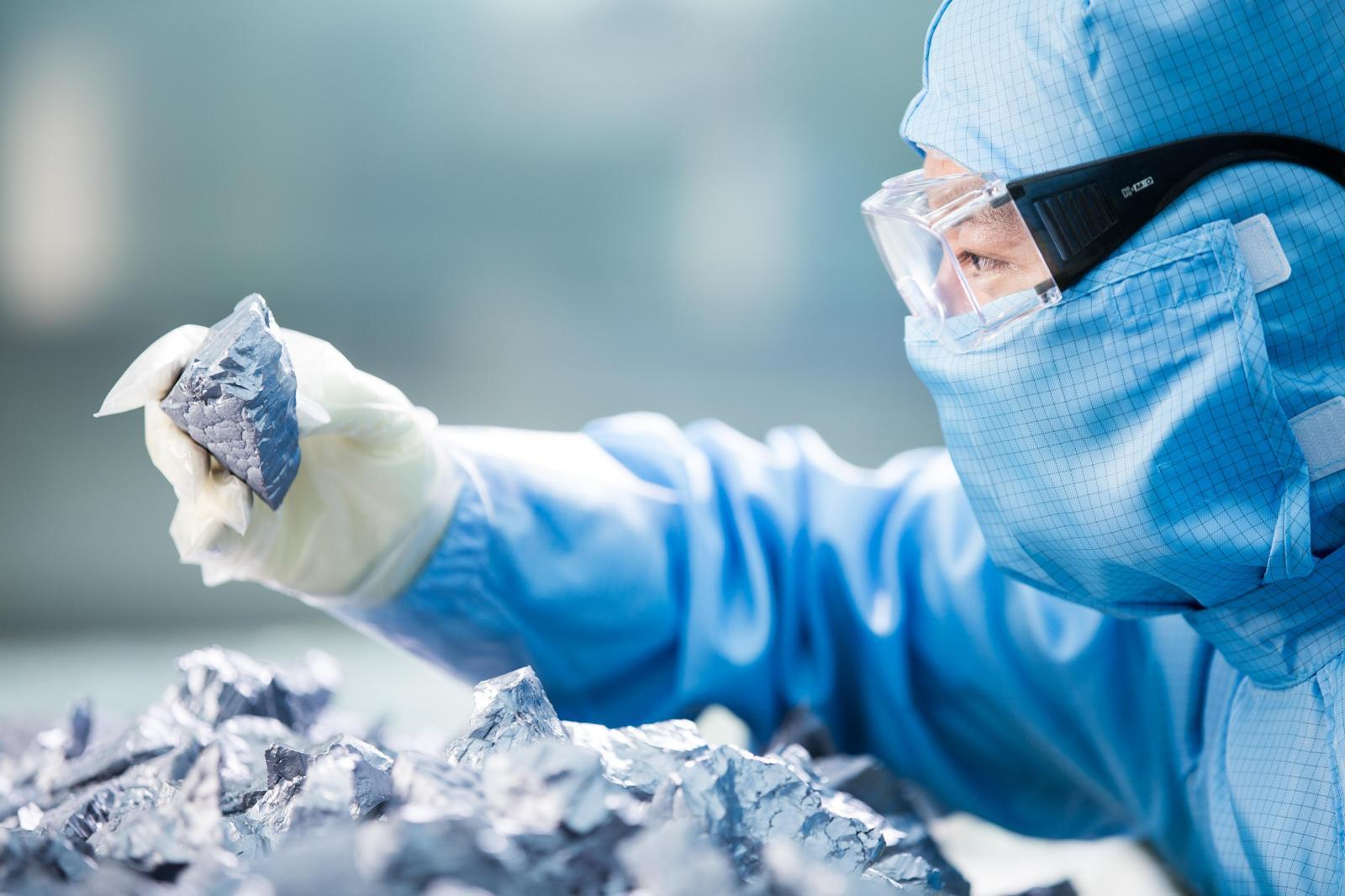
A researcher at OCI TerraSus examines polysilicon chips. Provided by OCI Holdings
Ultra-high-purity 11-Nine polysilicon… produced using eco-friendly hydropower
The semiconductor-grade polysilicon to be produced by OTSM is an ultra-high-purity product with a purity level of 99.999999999% (11-Nine grade). As a key raw material for semiconductor wafers, it allows an extremely low level of impurities, making it a field with very high technological barriers to entry.
The production process also emphasizes environmental friendliness. By using clean electricity based on Sarawak’s abundant hydropower infrastructure, carbon emissions are minimized throughout the entire production process. With carbon reduction in the semiconductor supply chain emerging as a core task for global companies, OTSM’s eco-friendly production method is expected to give it a competitive edge in attracting customers.
The production schedule targets completion of construction and test runs in 2027, followed by the Process Change Notification (PCN) procedures for customer process change approvals, and commencement of full-scale commercial production of 8,000 tons per year from 2029.
Unlike solar-grade polysilicon, semiconductor-grade polysilicon is a high value-added material that requires extremely high purity and precise quality control. Globally, only a handful of companies operate in this business, including OCI, Germany’s Wacker, the United States’ Hemlock, and Japan’s Tokuyama. Because of these high barriers to entry, once the market is established, the business structure enables the securing of stable long-term earnings.
OCI Holdings is pursuing a transition into an AI infrastructure company by building a value chain spanning solar-grade polysilicon in Malaysia, wafers in Vietnam, and large-scale solar and ESS projects in the United States. With this IFC investment as a starting point, OCI Holdings is expected to accelerate its move toward becoming a high value-added materials company covering both solar and semiconductor materials.
ⓒ dongA.com. All rights reserved. Reproduction, redistribution, or use for AI training prohibited.
Popular News









 About Dong-A Ilbo