Hyundai Motor Group is transforming from an automobile manufacturer into a high-tech company spanning artificial intelligence (AI), robotics, smart factories and defense, among other areas. Mobility remains the core pillar, but each business segment shares a common direction: going beyond simple means of transportation to redefine human life and space. Although still in the early stages, this diverse next-generation business portfolio is already having a positive impact on actual management performance. It can be seen as the key reason the group continues to grow while overcoming the conventional limits of manufacturing amid various uncertainties such as tariffs, exchange rates and supply chain issues. This article examines the secrets behind Hyundai Motor Group’s leap from an automotive powerhouse to an advanced technology company.
As of 2026, supremacy in the global automotive industry is no longer determined by hardware specifications such as horsepower or torque. With the full-scale advent of the software-defined vehicle (SDV) era, where AI takes the wheel and software determines a car’s value, Hyundai Motor Group is completing its transition from a traditional finished vehicle manufacturer to a smart mobility solutions provider. Once a follower chasing Tesla and Google’s Waymo, Hyundai is now evolving by combining its own operating system (OS) with global partnerships. The current status of Hyundai’s autonomous driving, which is rapidly changing, is examined here through five key pillars.
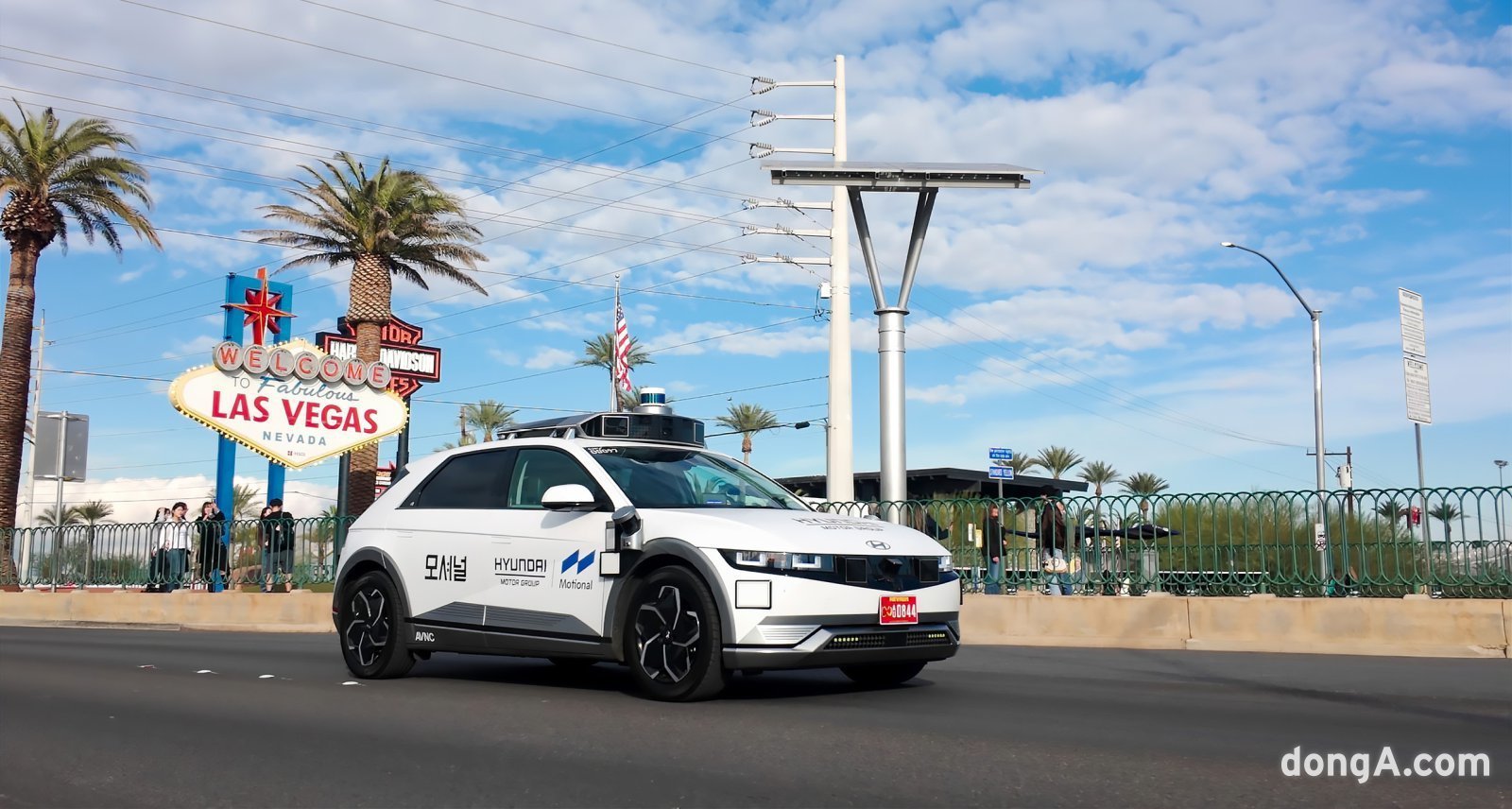
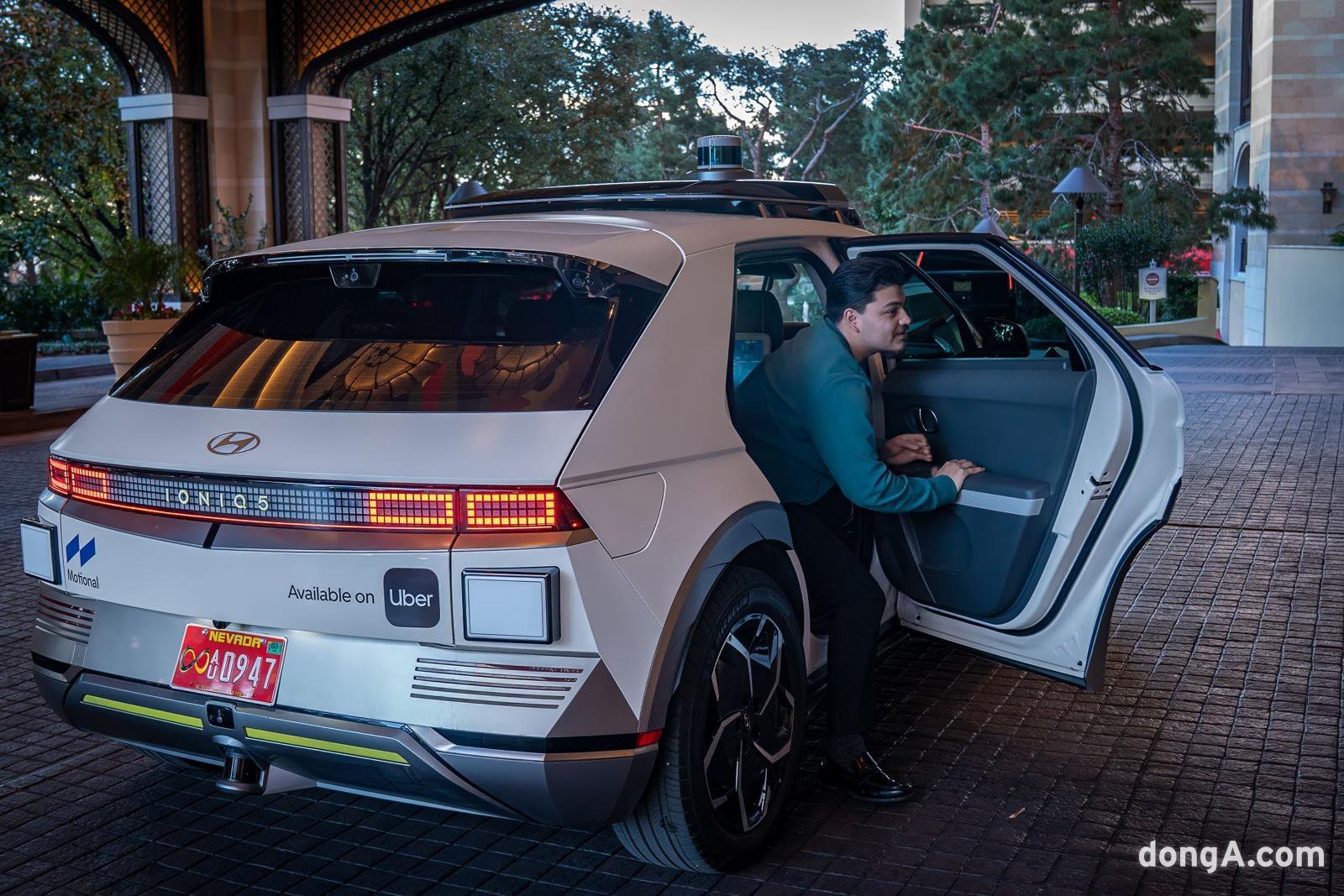
Motional, Hyundai Motor Group’s autonomous driving joint venture, operates a pilot robotaxi service with Uber in Las Vegas.
The cautious path of HDP… Level 3 outcome that chose trust over speed
Hyundai Motor Group’s Highway Driving Pilot (HDP), the core of its autonomous driving strategy, has indeed drawn market skepticism as its launch was repeatedly delayed due to safety and liability concerns. However, as of 2026, these delays are now being evaluated as a strategic choice that raised the level of technological completeness. Rather than rushing to launch a Level 3 system limited to 60 km/h, Hyundai focused on developing a second-generation HDP that can guarantee safety even at high speeds above 100 km/h.
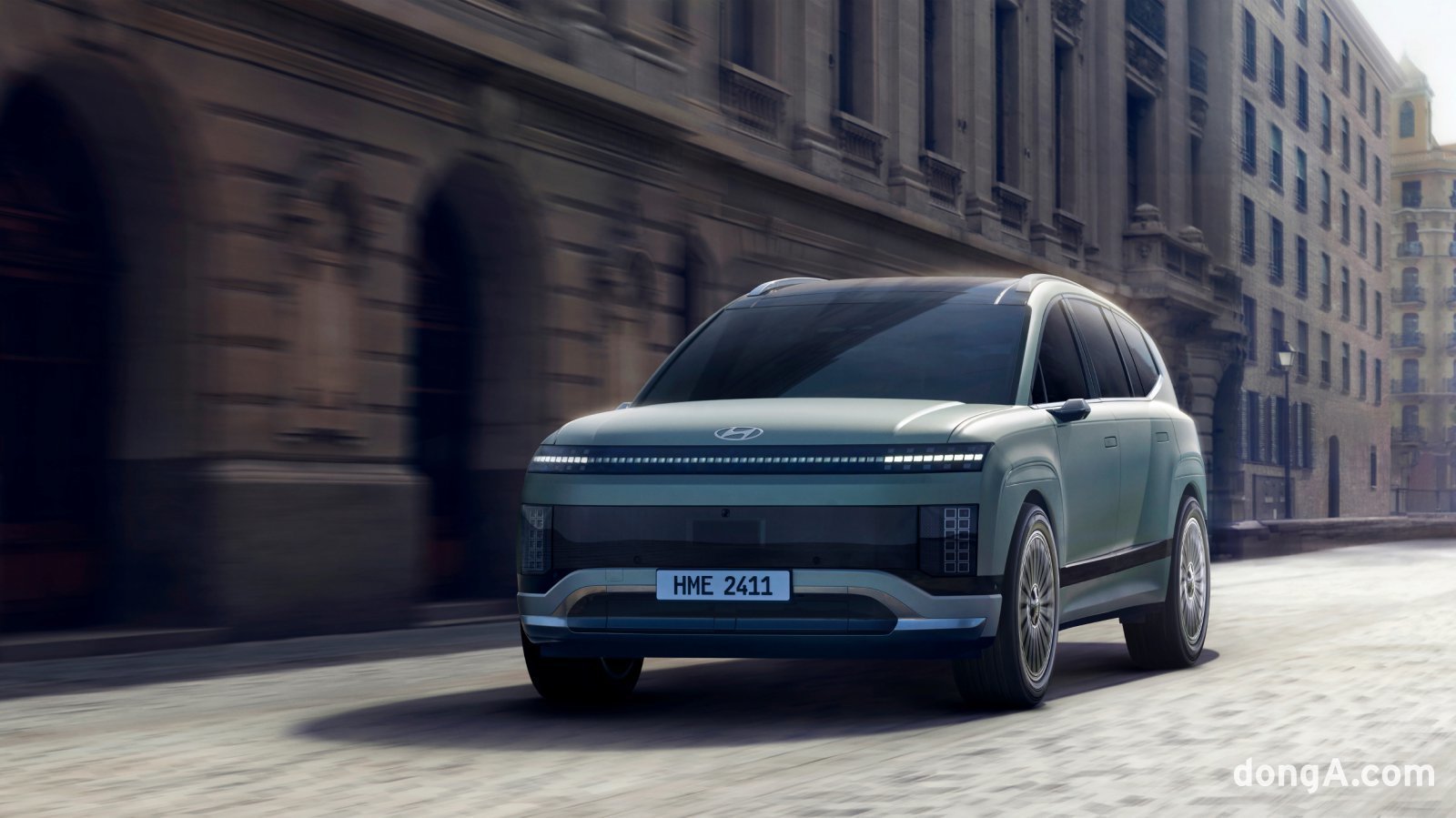
Hyundai IONIQ 9
The facelifted Genesis G90, scheduled for launch in the second half of 2026, is expected to become the first mass-produced vehicle equipped with this advanced second-generation HDP. A triple sensor fusion system combining two high-performance LiDARs, radar and cameras enables a level at which drivers can relinquish the duty of keeping their eyes on the road, even in bad weather or complex merging sections. To achieve this, Hyundai has accumulated massive simulation and real-world driving data over the past several years, and is understood to have completed preparations for commercialization by establishing internal standards aligned with global norms for taking manufacturer responsibility for accidents occurring during autonomous driving.
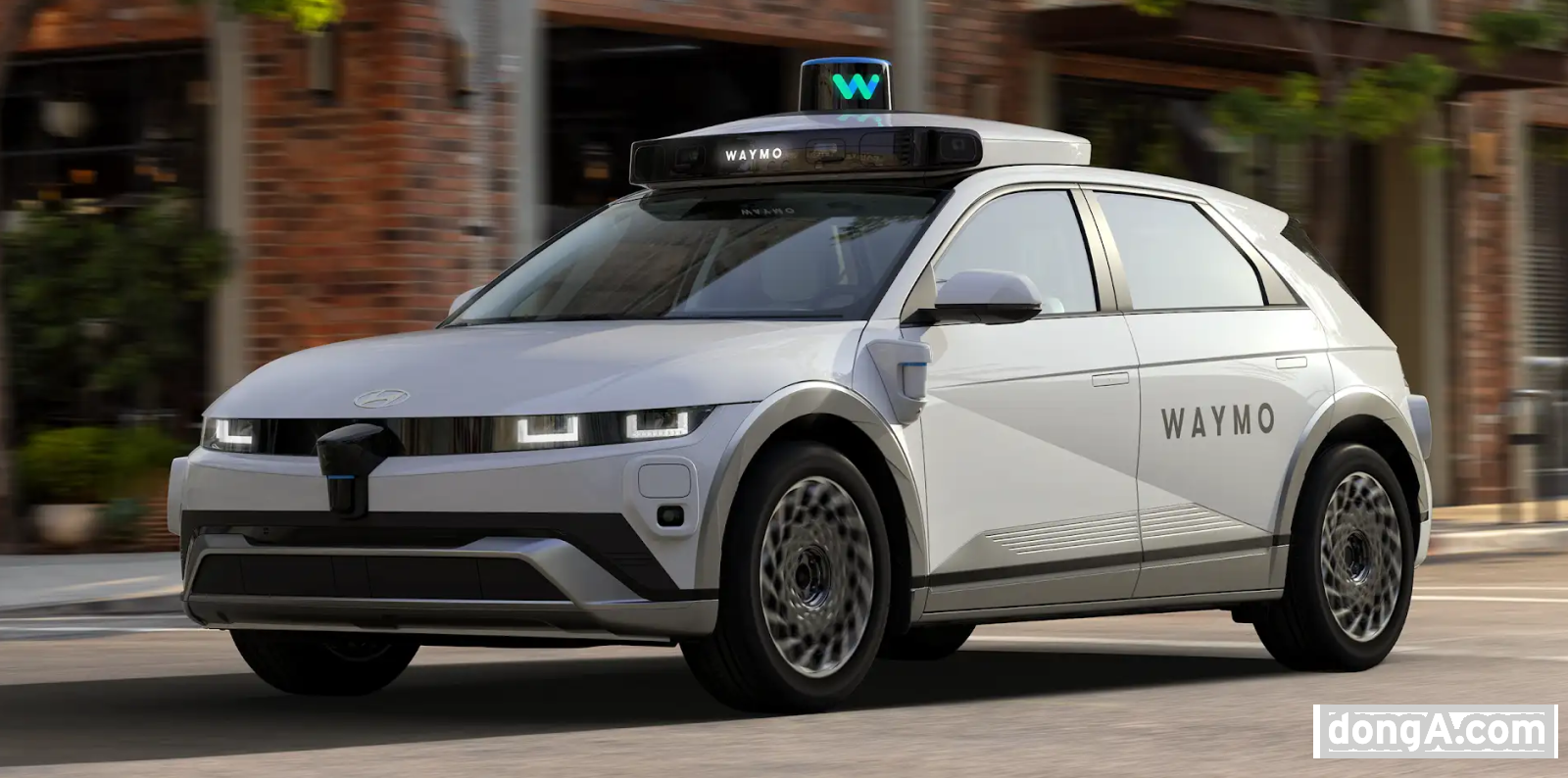
Waymo on a Hyundai IONIQ 5
Waymo’s chosen manufacturing partner and the birth of an “autonomous driving foundry”The strategic partnership signed at the end of 2024 with Google’s Waymo stands as a milestone symbolizing Hyundai’s global technological stature as of 2026. Hyundai is utilizing its new plant in Georgia, Hyundai Motor Group Metaplant America (HMGMA), as a dedicated production base for autonomous vehicles and is supplying IONIQ 5 models equipped with Waymo’s sixth-generation Driver system in earnest. As of February 2026, the two companies, under a contract worth about USD 2.5 billion, are solidifying a business model as an “autonomous driving foundry” that will supply more than 50,000 vehicles over the coming years.
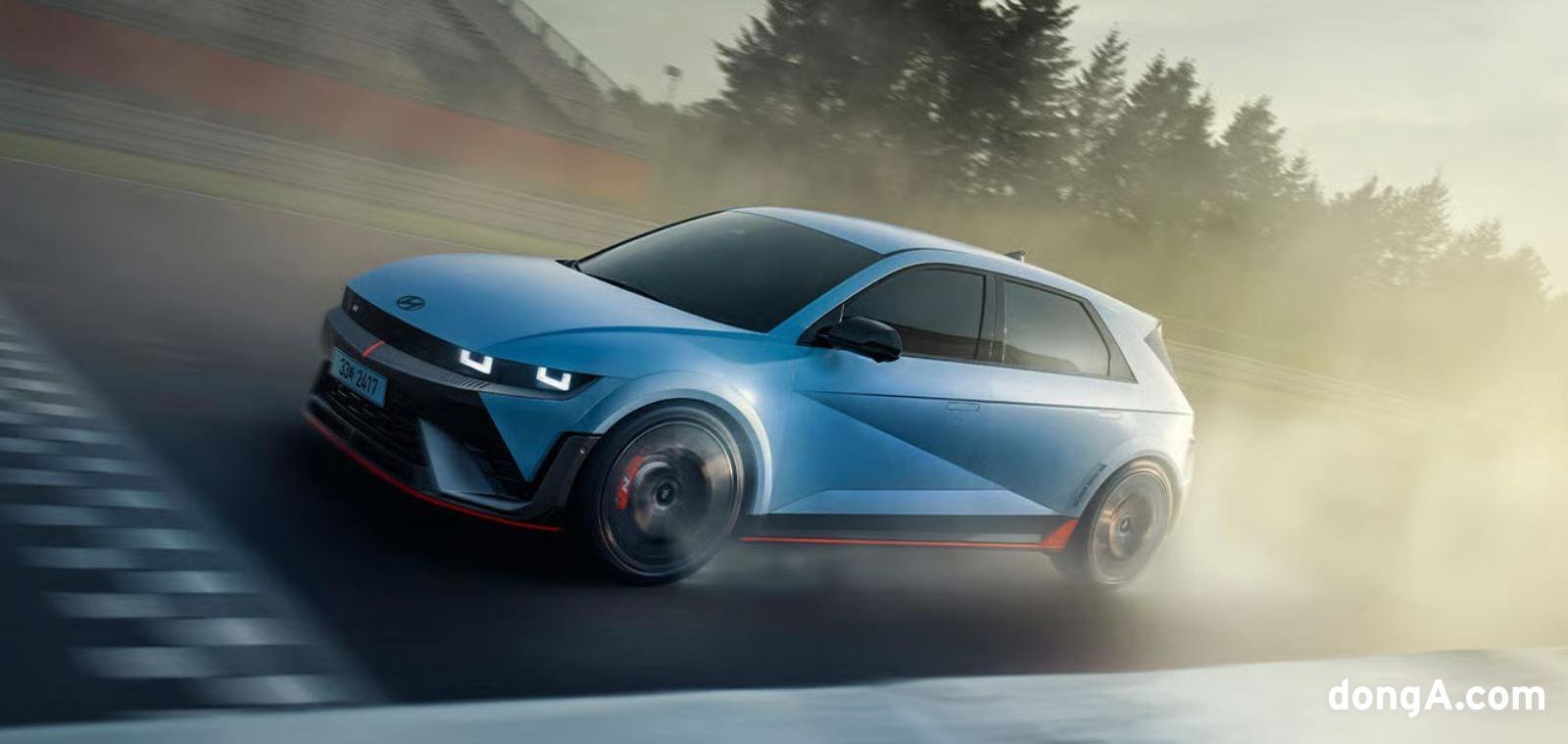
Hyundai IONIQ 5 N
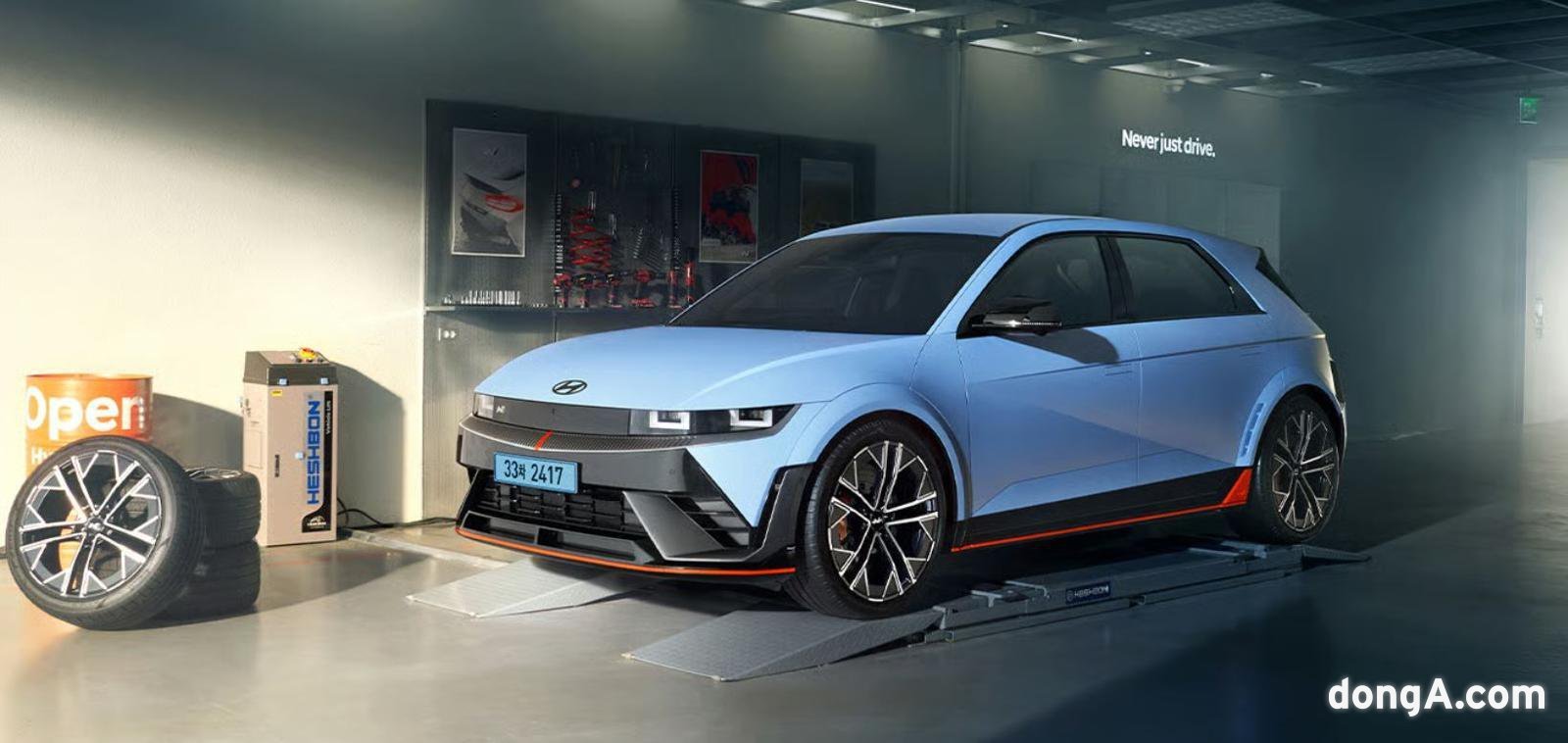
Hyundai IONIQ 5 N
This collaboration structure is providing Hyundai with tangible technological assets. As Waymo’s system runs on Hyundai’s dedicated EV platform E-GMP, Hyundai is obtaining world-class operational data on vehicle durability, power efficiency and redundant control systems. This creates a powerful competitive edge that rivals will find difficult to challenge as Hyundai advances its own Level 4 and higher fully autonomous driving technologies.
IONIQ 5-based Motional robotaxi
Motional’s driverless robotaxis move beyond Las Vegas toward global commercializationMotional, Hyundai Motor Group’s autonomous driving joint venture over which it has secured independent management control, is demonstrating the commercial viability of fully driverless robotaxis as of 2026. Under plans announced at a media day in January 2026, Motional will officially commercialize a fully driverless robotaxi service without a safety operator on board in Las Vegas by the end of this year. This indicates a shift from theoretical technology verification to a business model that generates actual revenue.
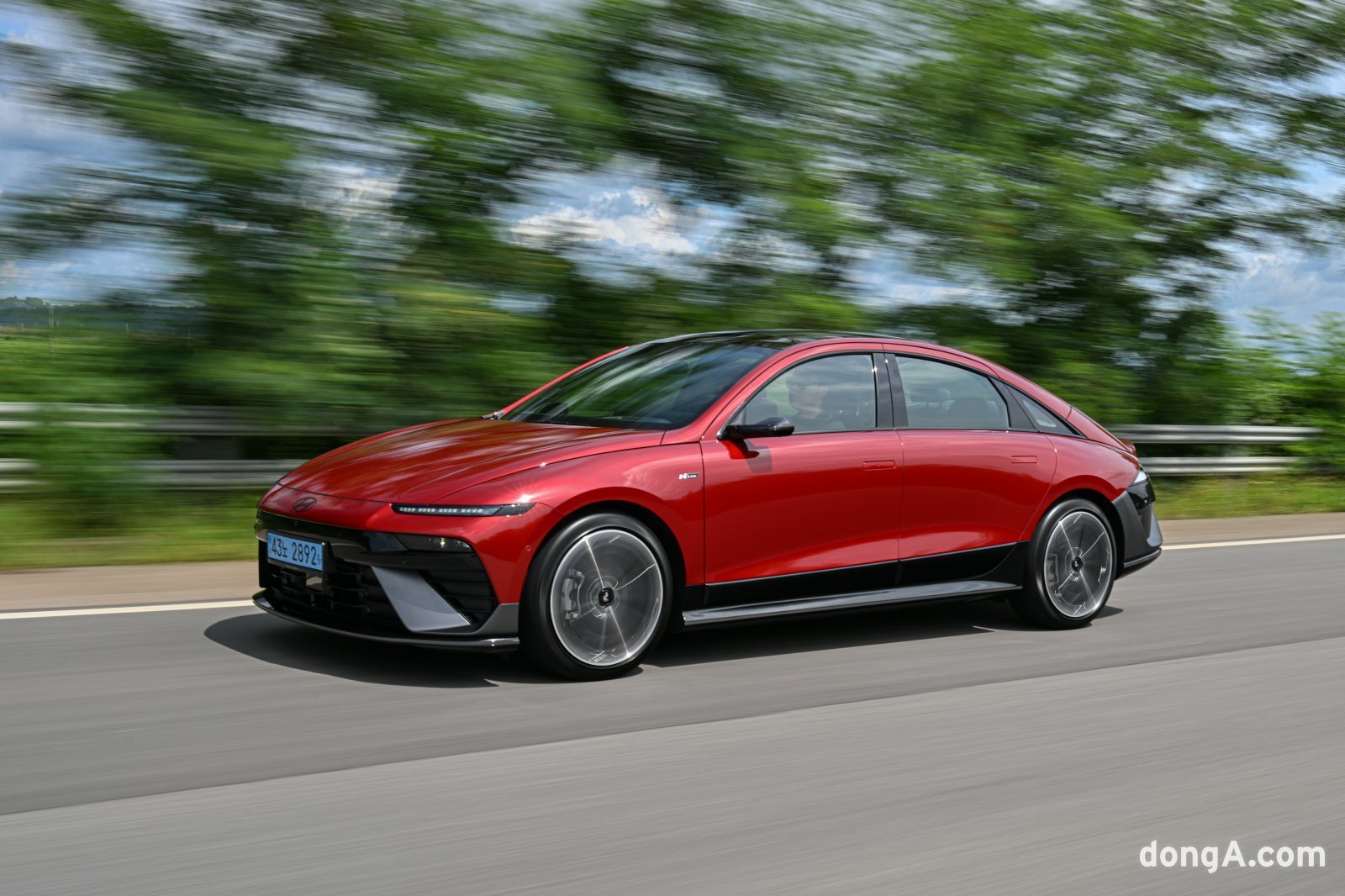
Hyundai IONIQ 6
Motional’s technological breakthrough lies in its hybrid E2E (End-to-End) learning approach and large driving model (LDM). Moving beyond conventional methods that separately program perception, decision-making and control, the AI integrates and learns massive driving data to make flexible decisions similar to those of human drivers. Hyundai is maximizing technological synergies by applying Level 4 operational experience gained through Motional to the group’s overall SDV development framework.
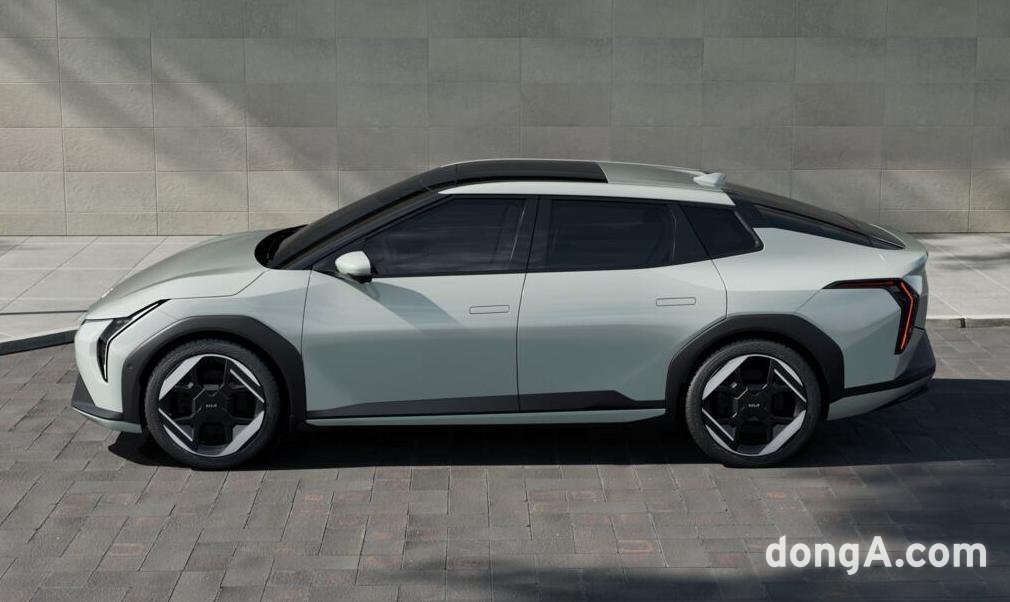
Kia EV4
SDx strategy led by 42dot, mobility defined by softwareThe true core of autonomous driving lies in a software architecture that allows vehicles to learn and evolve on their own. 42dot, Hyundai Motor Group’s global software center, began in 2026 to apply its in-house vehicle OS, Pleos, in earnest to key new models including the Grandeur and the facelifted Santa Fe. This signifies a complete shift to an SDV system that centrally controls all in-vehicle hardware via software, going beyond merely providing autonomous driving functions.
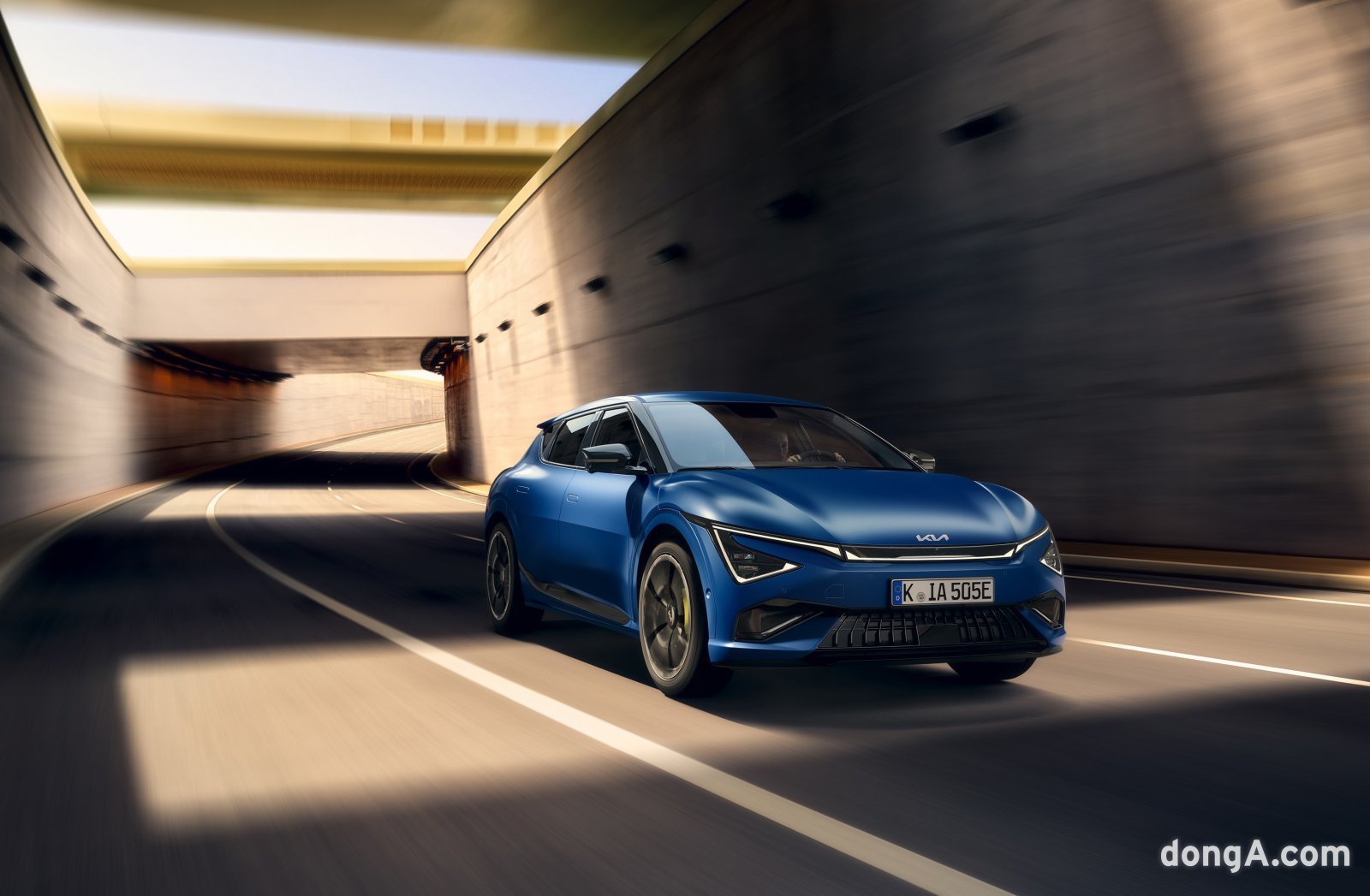
Kia EV6
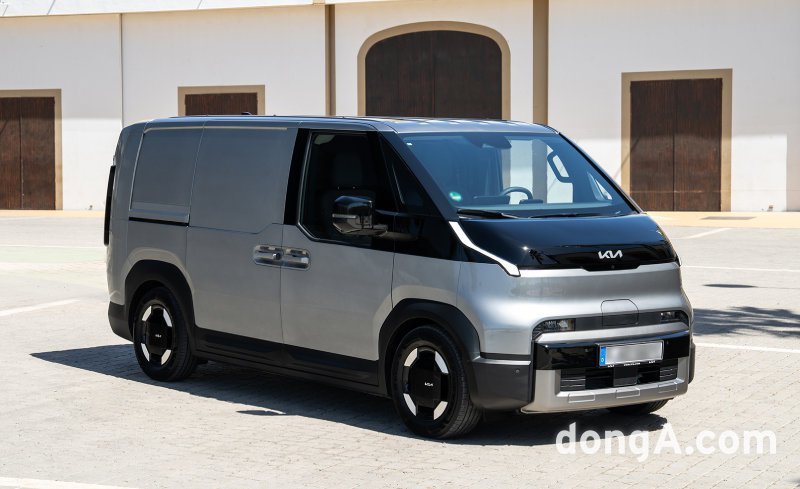
Kia PV5
The SDx (Software-defined everything) strategy led by 42dot is focused on extending autonomous driving technologies to all means of transportation, including logistics, delivery and shuttles. Hyundai’s 2026 model-year vehicles are connected to the cloud, updating their driving algorithms in real time over the air (OTA) to provide customized autonomous driving experiences optimized to the driver’s habits and road conditions. This proprietary software capability is a key engine enabling Hyundai to maintain independent data sovereignty and its own service ecosystem.
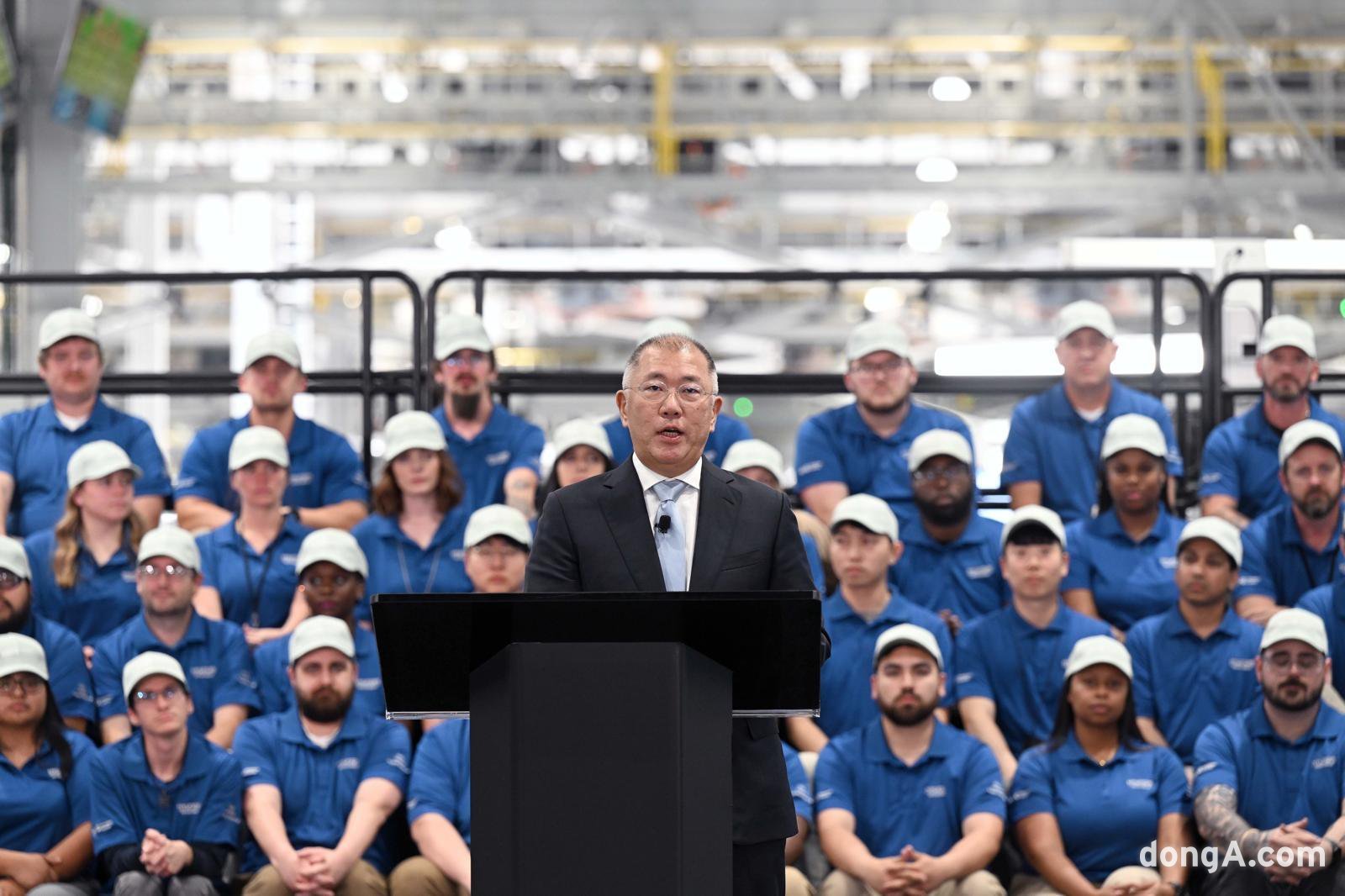
Hyundai Motor Group Chairman Chung Euisun delivers a welcome speech at the completion ceremony for “Hyundai Motor Group Metaplant America (HMGMA)” in Ellabell, Georgia, on March 26 last year (local time).
The destination of the Hyundai Way roadmap: an integrated ecosystem linking ground and skyHyundai Motor Group’s mid- to long-term strategy, Hyundai Way, does not confine autonomous driving technologies to the ground. In 2026, Hyundai is pursuing comprehensive mobility integration through the horizontal expansion of autonomous technologies. The intelligent manufacturing platform verified at the Hyundai Motor Group Innovation Center in Singapore (HMGICS) organically supports not only autonomous vehicles but also the mass production systems for the Dal-e Delivery unmanned delivery robot and Advanced Air Mobility (AAM).
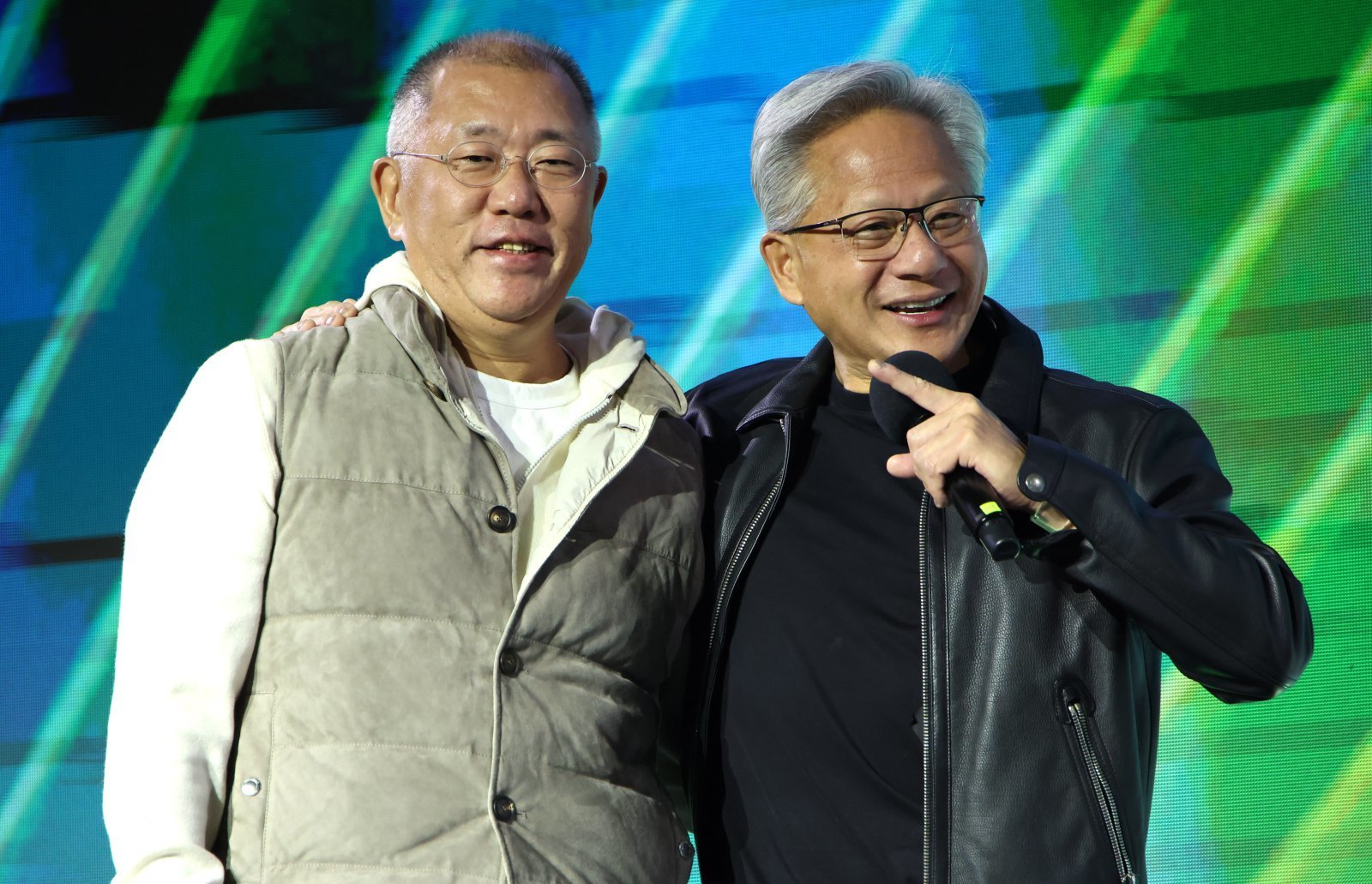
Hyundai Motor Group Chairman Chung Euisun (left) and NVIDIA CEO Jensen Huang greet the audience on stage at the “GeForce Gamer Festival” held at COEX Square in Gangnam-gu, Seoul, on October 30 last year to mark the 25th anniversary of GeForce in Korea.
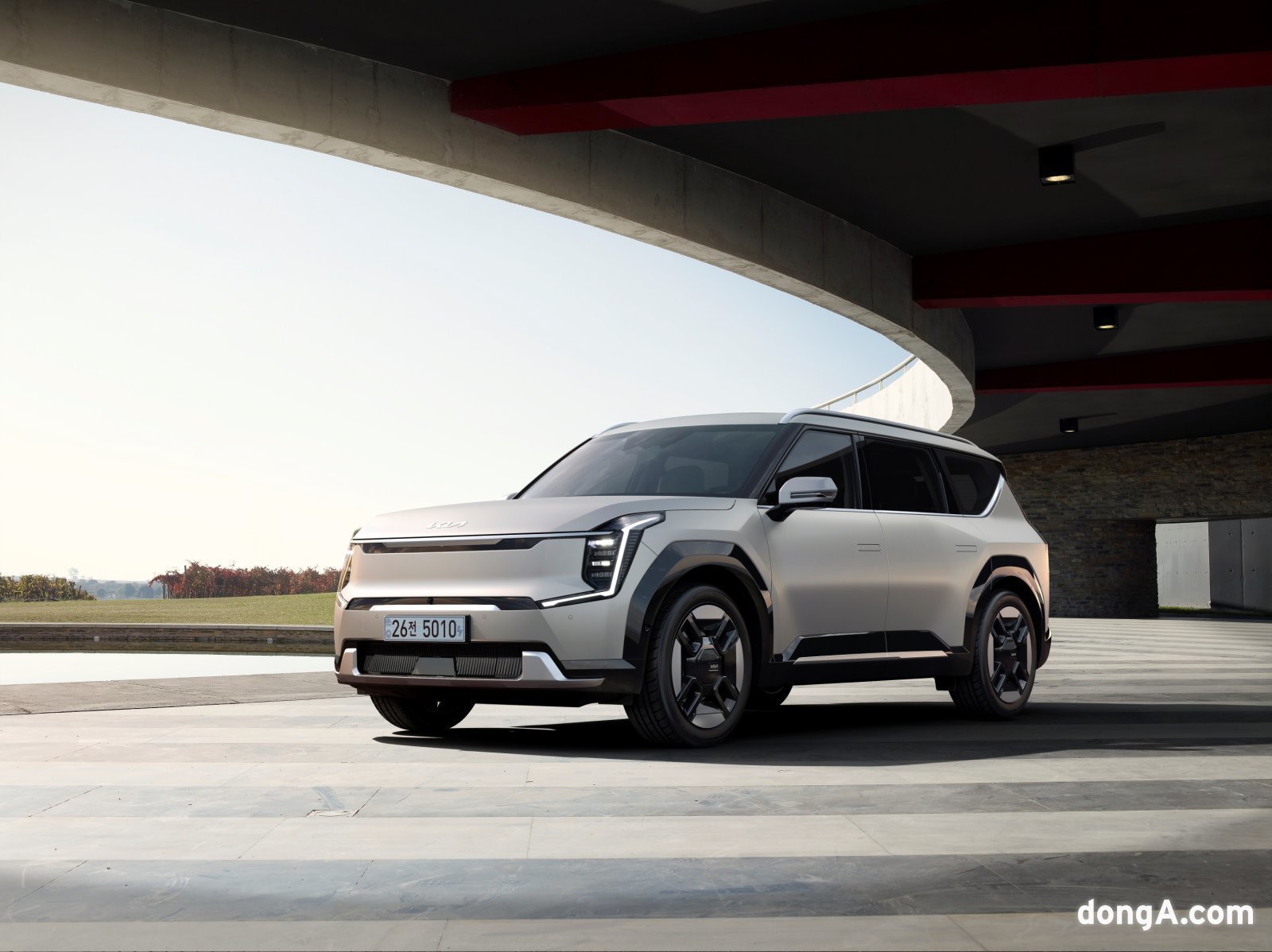
Kia EV9
Autonomous flight technology linked to future air mobility brand Supernal shares autonomous driving algorithms and data architectures with ground-based systems. The year 2026 marks the completion of the technological foundation for integrated Mobility as a Service (MaaS) that connects ground and air, and Hyundai’s ultimate goal through this is to remove constraints on mobility across the globe. The large-scale investment of KRW 120.5 trillion planned through 2033 is expected to fully redefine Hyundai from an automobile manufacturer into an AI mobility company that transforms human lifestyles.
This section explains how Hyundai Motor Group has transformed by 2026 from a simple car manufacturer into a company centered on artificial intelligence (AI) and software. It provides an easy summary focusing on unfamiliar technical terms and core concepts.
Shift from hardware to software (SDV and SDx)
In the past, horsepower or design determined the value of a car; now software determines the vehicle’s performance and convenience.
Software-defined vehicle (SDV)
This refers to a car whose functions can be improved and new features added simply through software updates, like a smartphone.
SDx (Software-defined everything)
This describes an environment where not only cars but also robots, delivery solutions and aerial mobility are all connected to and controlled by software across the mobility ecosystem.
Pleos and OTA
This is Hyundai’s in-house developed vehicle operating system (OS). It enables real-time, over-the-air (OTA) updates of vehicle functions, similar to updating a smartphone OS wirelessly.
Stages and maturity of autonomous driving technology
Hyundai is taking a step-by-step approach to ensure safety.
Second-generation HDP (Highway Driving Pilot)
This is highway driving pilot technology corresponding to Level 3 autonomous driving, allowing drivers not to hold the steering wheel in specific areas such as highways. The second generation is characterized by safe operation even at high speeds above 100 km/h.
Triple sensor fusion
This technology uses cameras, radar and LiDAR (which measures distance using light) to perceive the surroundings in three dimensions. By compensating for each sensor’s weaknesses, it accurately detects conditions even in bad weather.
Hybrid E2E (End-to-End) learning
Instead of humans manually inputting rules for each situation, AI now learns directly from massive driving data and makes flexible, human-like driving decisions.
New business model: “autonomous driving foundry”
Just as design and production are separated in the semiconductor industry, a new collaboration model has emerged in the automotive sector.
Autonomous driving foundry
This refers to a business in which Hyundai manufactures customized vehicles optimized for autonomous driving systems developed by companies such as Google’s Waymo that possess autonomous driving software technologies.
E-GMP
This is Hyundai Motor Group’s dedicated electric vehicle platform. Waymo’s autonomous driving system is installed on top of it to mass-produce efficient and safe robotaxis.
Mobility spanning ground to air (MaaS)
Hyundai’s goal is not simply to sell cars, but to integrate all mobility services into one.
MaaS (Mobility as a Service)
This concept allows various means of transportation (private cars, taxis, shared cars, robotaxis, air mobility, etc.) to be used as conveniently as a single service.
AAM (Advanced Air Mobility) and Supernal
This refers to future air mobility, and through its brand Supernal, Hyundai is developing flying mobility solutions. By sharing autonomous driving data on the ground with autonomous flight data in the air, the company aims to deliver seamless end-to-end mobility.

ⓒ dongA.com. All rights reserved. Reproduction, redistribution, or use for AI training prohibited.
Popular News







 About Dong-A Ilbo