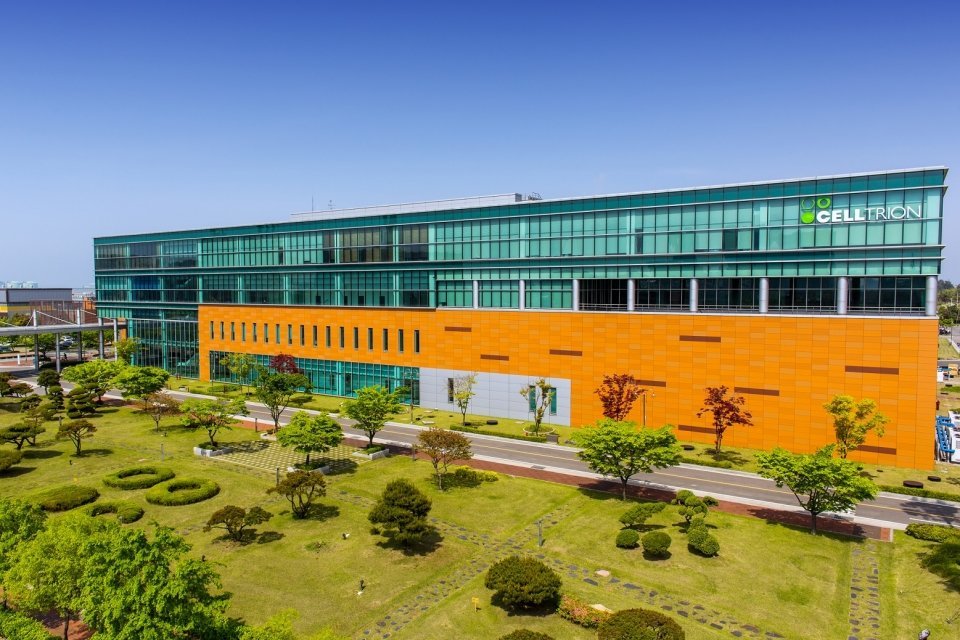
View of Celltrion headquarters. Provided by Celltrion
Celltrion is set to successively disclose research results for next-generation obesity treatments and antibody-drug conjugate (ADC) new drug candidates. Starting with the announcement of non-clinical results for its obesity treatment at the end of this year, initial data for its anticancer ADC candidates currently in Phase 1 clinical trials are scheduled to be released sequentially in the first half of next year.
Celltrion recently held an internal briefing on its research and development status, and on the 29th announced that it had reviewed the development progress and future timelines of its new drug pipeline, focusing on obesity and metabolic diseases as well as oncology.
The company plans to leverage its antibody development technologies and global experience in clinical trials, manufacturing, and regulatory approvals accumulated in the biosimilar business for new drug development, thereby securing new growth engines.
Quadruple-action obesity treatment to release non-clinical data in November
The first candidate due to have its research results released is the quadruple-action obesity treatment “CT-G32.”
CT-G32 is an obesity treatment candidate being developed to act simultaneously on four targets. Celltrion is currently conducting good laboratory practice (GLP) toxicology studies to determine the appropriate dosage and confirm safety.
The study is being conducted on 252 rats and 48 monkeys, with the goal of completion within this year. Celltrion stated that it plans to present the non-clinical study results at a related academic conference in November.
Subsequently, the company aims to submit a Phase 1 clinical trial application by February next year and, if the approval process proceeds as scheduled, to begin first dosing in the second quarter of next year.
Celltrion explained that in a separate prior non-clinical study, CT-G32 demonstrated greater weight loss efficacy and better preservation of lean body mass, including muscle, compared with a triple-action candidate under development by a global pharmaceutical company.
The company is also pursuing the development of an oral obesity treatment in parallel with the injectable formulation. The multi-action oral candidate is under development with the goal of submitting a clinical trial application in the second half of 2028.
Celltrion has also initiated development of a long-acting obesity treatment with extended dosing intervals, as well as therapeutics for metabolic diseases such as sarcopenia and diabetes. The company plans to expand its product portfolio in obesity and metabolic diseases by adding multiple formulations and indications.
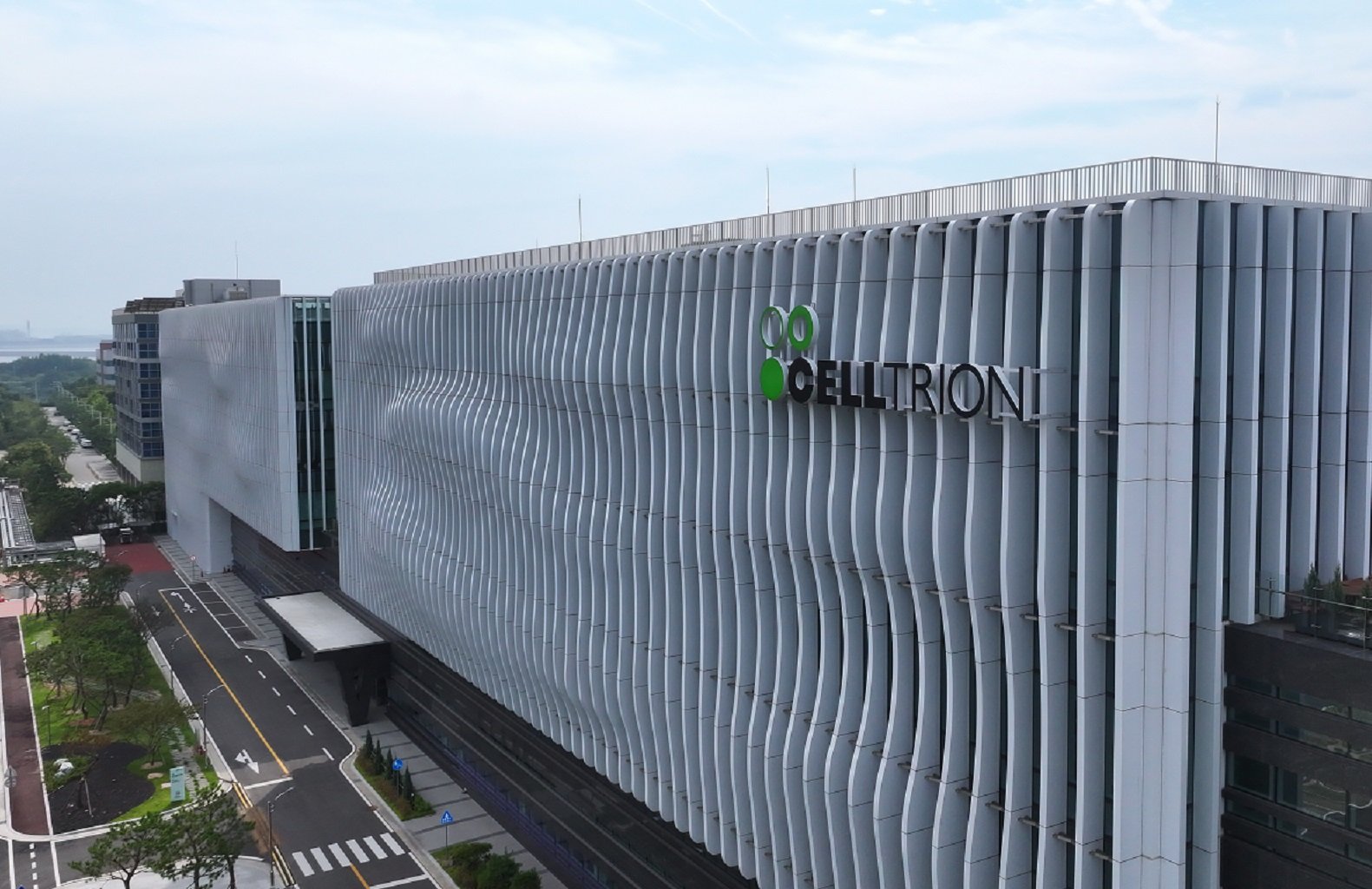
Inside a Celltrion plant
Two anticancer ADCs to release initial Phase 1 results in first half of next year
In the oncology segment, three ADC candidates and one multi-specific antibody candidate have entered Phase 1 clinical trials.
The candidates currently being administered to patients are: “CT-P70” targeting non-small cell lung cancer and colorectal cancer; “CT-P71” targeting urothelial carcinoma, breast cancer, and prostate cancer; “CT-P73” targeting cervical cancer and head and neck cancer; and the multi-specific antibody candidate “CT-P72” targeting gastric cancer and breast cancer.
Among these, two ADC candidates are scheduled to complete Part 1 of their Phase 1 trials within this year and to sequentially release key clinical results starting in the first half of next year.
CT-P70, the fastest-moving program, aims to enter Part 2 of its Phase 1 trial for dose optimization in March next year. Celltrion said that after confirming safety and appropriate dosing in Part 1, it plans to specifically evaluate dosing regimens and treatment efficacy by patient cohort in Part 2.
CT-P70 received Fast Track designation from the U.S. Food and Drug Administration (FDA) last year, and CT-P71 received the same designation this year. Fast Track is a program designed to facilitate the development and expedite the review of drugs intended to treat serious conditions and address unmet medical needs.
Celltrion plans to apply for Fast Track designation within this year for the remaining two candidates currently in Phase 1 trials as well. The company also intends to make use of country-specific clinical trial support programs and accelerated approval pathways to shorten development timelines.
Celltrion Biologics Research Center
25 new drug candidates in development… Clinical pipeline to triple by 2028
Celltrion is currently developing a total of 25 new drug candidates through in-house research and development and external technology in-licensing.
The company aims to increase the number of candidates that have entered the clinical stage to five by the end of this year and to expand this to eight next year. By 2028, it has set a goal of more than tripling the number of clinical-stage pipeline assets compared with the end of this year.
As candidates that had remained in the preclinical research stage begin to enter clinical development in earnest, the share of new drugs in Celltrion’s research and development portfolio is expected to gradually increase.
The company’s core development areas are oncology, obesity and metabolic diseases, and autoimmune diseases. In addition to its own programs, Celltrion is broadening its candidate discovery scope through collaborations with companies in artificial intelligence deep tech, microbiome, and antibody new drug fields.
Celltrion invested KRW 482.4 billion in research and development last year. The company plans to reinvest cash generated from its biosimilar business into new drug R&D and to enhance the value of its candidates by securing clinical data.
A Celltrion official said, “Starting with the disclosure of non-clinical data for our next-generation obesity treatment at the end of this year, we plan to sequentially announce initial clinical results for our anticancer ADC candidates in the first half of next year,” adding, “We will leverage our accumulated antibody technologies, and our clinical, manufacturing, and regulatory capabilities from the biosimilar business for new drug development to translate research outcomes into tangible results.”
ⓒ dongA.com. All rights reserved. Reproduction, redistribution, or use for AI training prohibited.
Popular News










 About Dong-A Ilbo