Executives to attend NVIDIA’s ‘GTC 2026’ in the U.S.
“HBM production requires many wafers… at least 4–5 years needed to ramp up output
Focusing on expansion in Korea rather than overseas”
SK hynix average annual salary: KRW 185 million
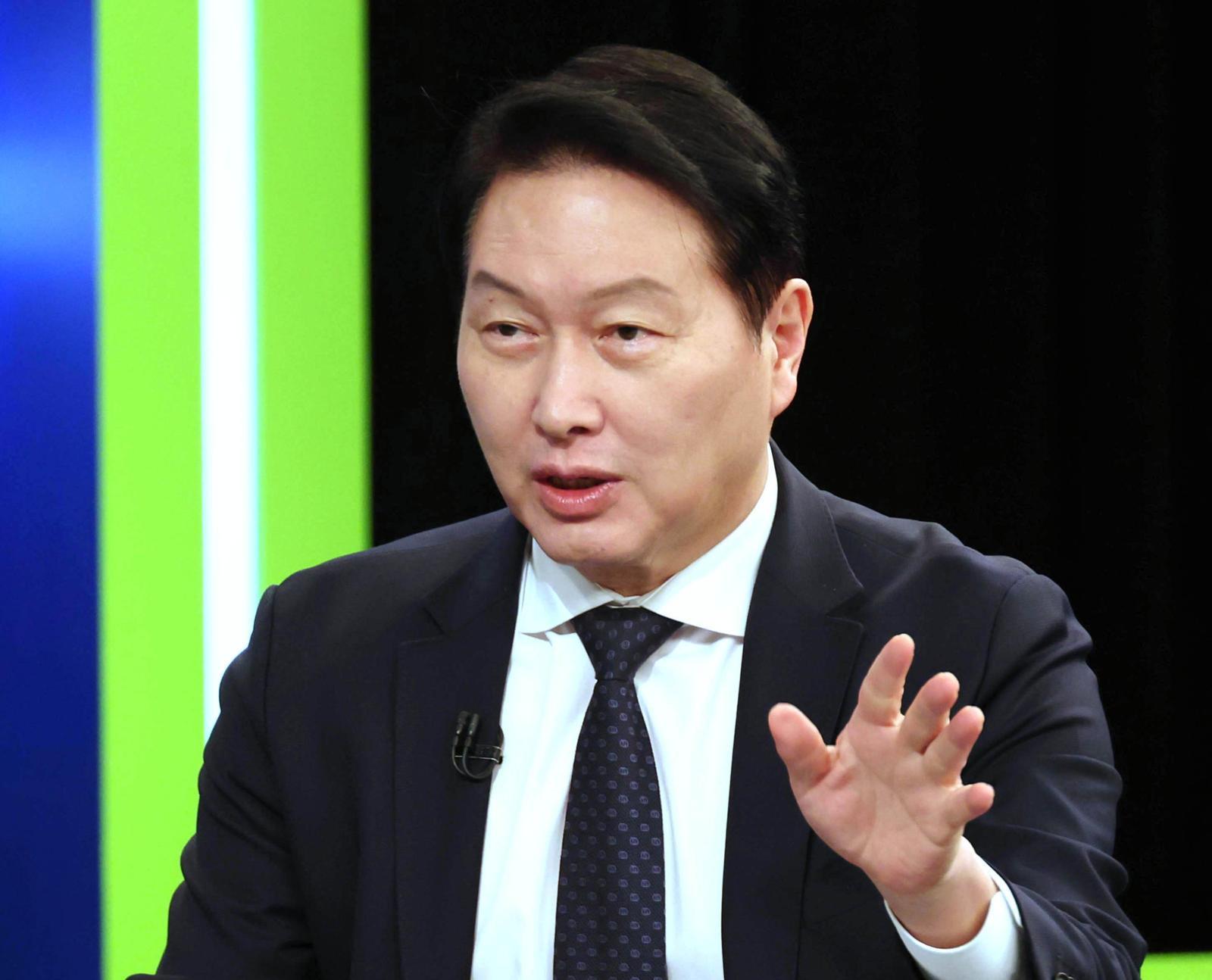
Chey Tae-won, Chairman of SK Group (photo), predicted that a global supply shortage of memory semiconductors driven by the spread of artificial intelligence (AI) will continue through 2030.
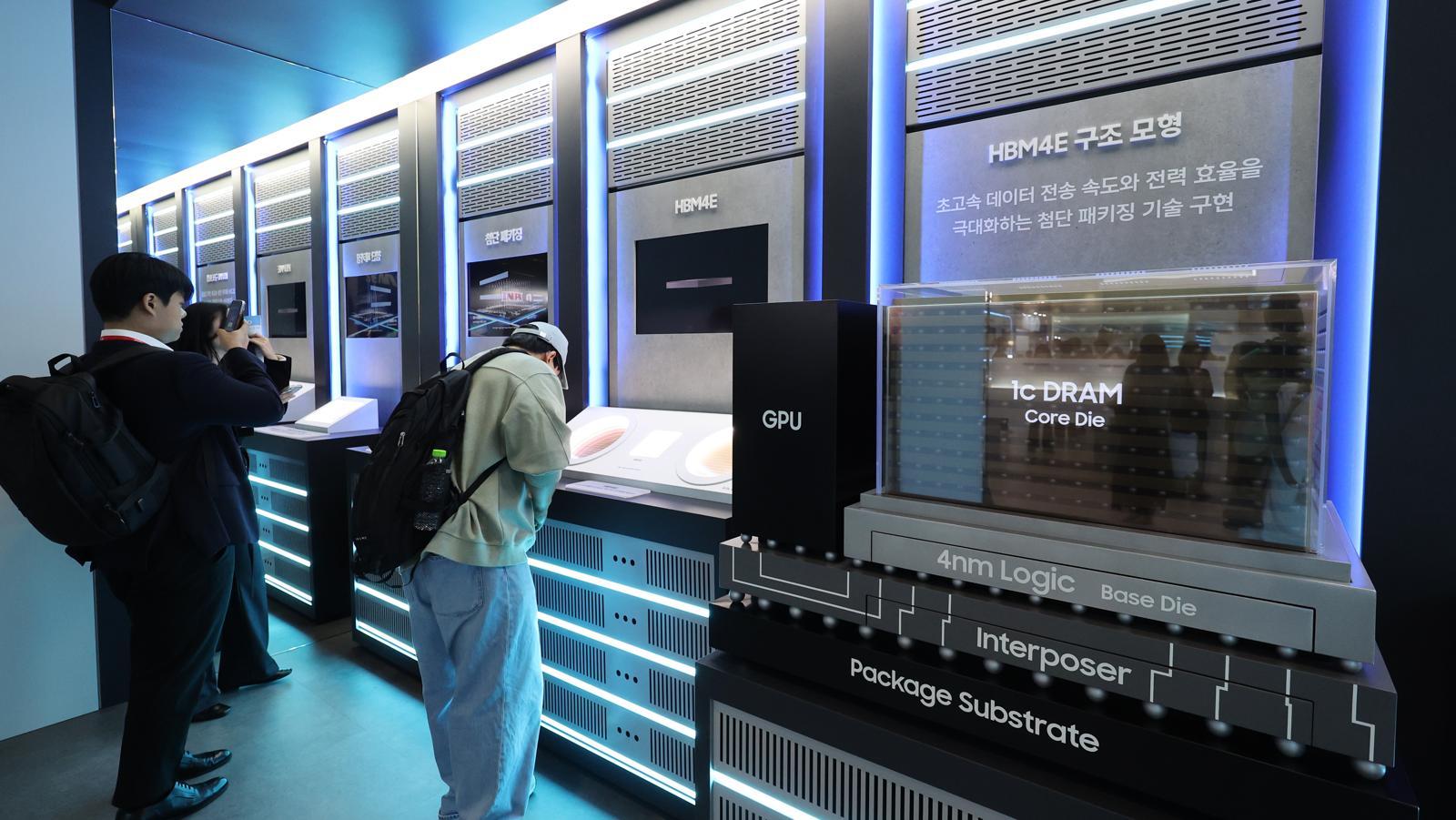
Speaking with reporters on the 16th (local time) at Nvidia’s annual developer conference “GTC 2026,” held at the San Jose Convention Center in California, Chairman Chey said, “High Bandwidth Memory (HBM) requires a large number of wafers,” adding, “The supply shortage stems from a shortage of wafers, but it is physically impossible to suddenly increase wafers in the short term.” He went on to say, “Securing more wafers takes at least four to five years, so a global wafer supply shortage of more than 20% will persist until 2030,” emphasizing, “There are limits to increasing supply due to shortages of various resources such as power, construction capacity, and water.”
Chey also raised the possibility that rising HBM demand could lead to shortages in other memory products. “HBM is essential for graphics processing units (GPUs), so we will do our best in production,” he said, “but if we focus on HBM, general DRAM will become scarce, which could harm not only existing (non-AI) industries but also individuals.” He added, “We are trying to supply sufficiently without raising prices, but there are physical constraints. We will do our utmost to stabilize prices.” Chey said SK hynix will soon announce a new plan to stabilize prices.
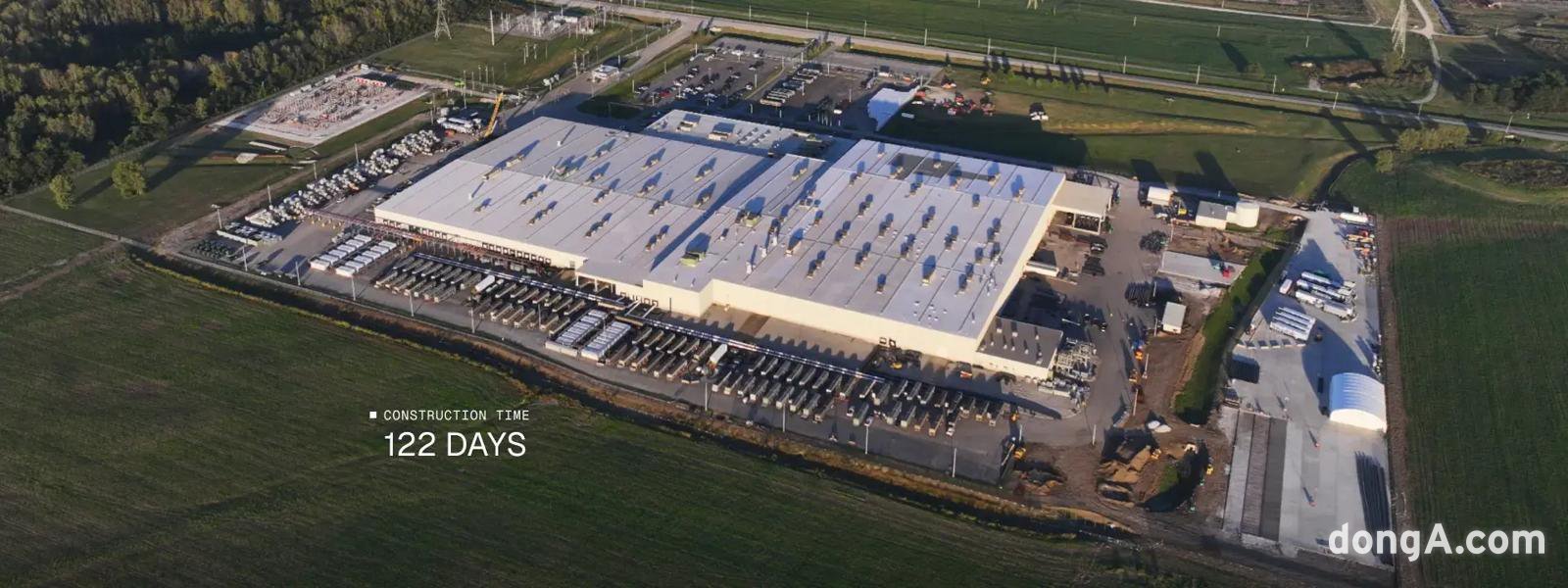
Chey adopted a cautious stance regarding expansion of overseas production. “We do have plans, but the ecosystem—such as power, water, construction conditions, and engineering talent—must be in place first,” he said, adding, “We are concentrating (production capacity) in Korea, where the base is established and we can respond quickly.”
Regarding the impact of the war in Iran, he cited the burden of energy costs as a key variable. “Both semiconductors and AI data centers need energy solutions,” he said, adding, “SK Group’s energy affiliates are working to develop new energy sources.”
Meanwhile, strong HBM sales have translated into higher employee compensation. According to the business report SK hynix disclosed on the 17th, the average annual salary per employee last year was KRW 185 million. This represents a 58.1% increase from the previous year’s KRW 117 million.
Compensation for key executives was also disclosed. Chey received a total of KRW 4.75 billion from SK hynix, including KRW 3.5 billion in base salary and KRW 1.25 billion in bonuses. CEO Kwak Noh-jung received KRW 4.239 billion, while President Kim Joo-sun, head of AI Infrastructure (KRW 2.83 billion), and President Ahn Hyun, head of Development (KRW 2.052 billion), also each received more than KRW 2 billion.
ⓒ dongA.com. All rights reserved. Reproduction, redistribution, or use for AI training prohibited.
Popular News







 About Dong-A Ilbo