Pursuing Registration of the “High-Efficiency Heat Pump Carbon Reduction Project” Reinvesting Emissions Trading Profits to Build a Virtuous Cycle Targeting a 54.6% Reduction in Greenhouse Gas Emissions by 2030 Compared with 2017
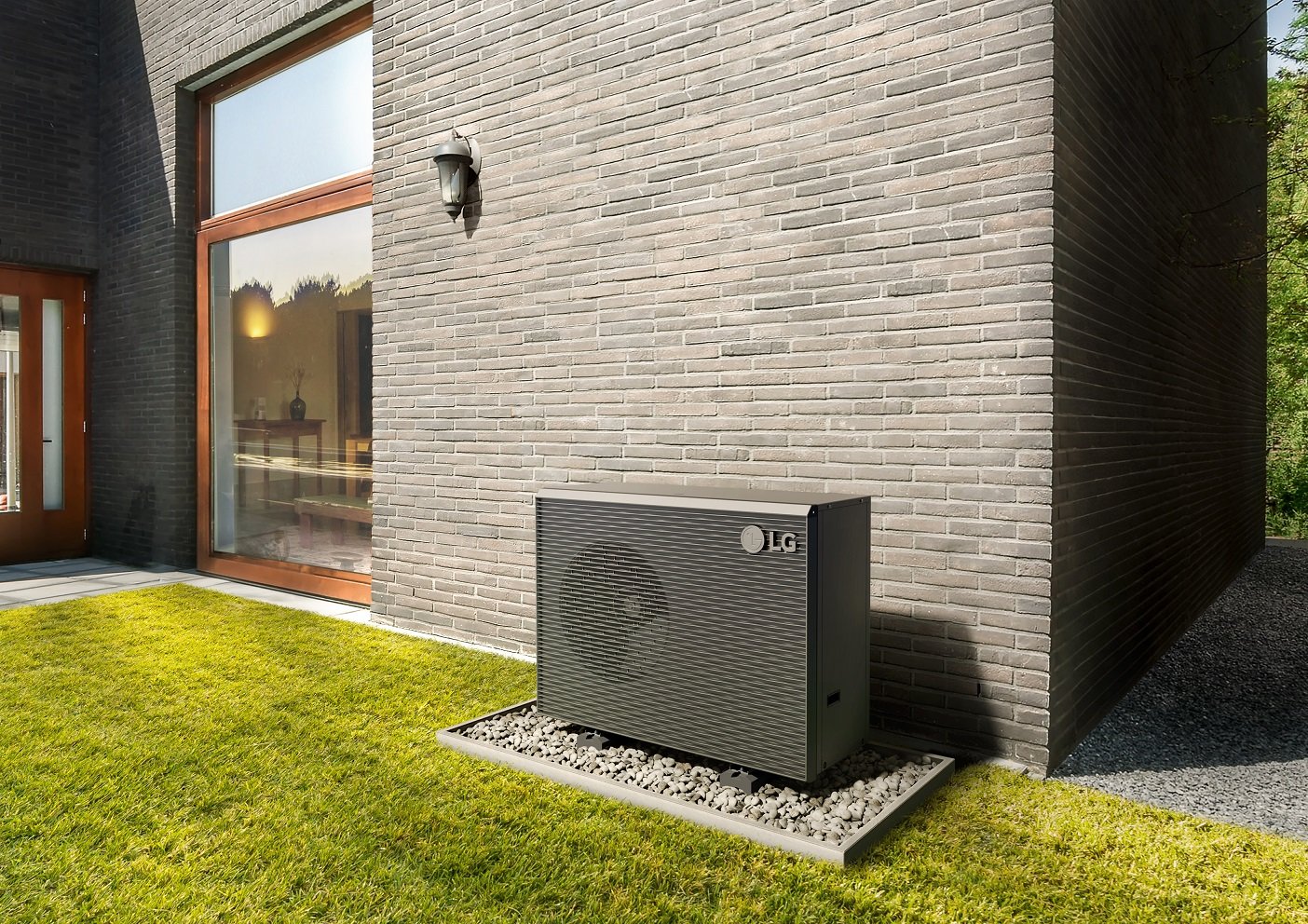
LG Electronics’ air-source heat pump Therma V R290 Monobloc. Provided by LG Electronics
LG Electronics is expanding its voluntary carbon credit business.
The company plans to further expand its voluntary carbon credit projects through high-efficiency heat pumps. By expanding the use of highly energy-efficient electric heat pumps, it aims to reduce carbon emissions during the product-use phase and have the resulting reduction recognized as carbon reduction credits.
LG Electronics announced on the 14th that it is pushing to register a “fuel-switching-based carbon reduction project using high-efficiency heat pump technology” with Gold Standard Foundation, an international carbon credit certification body.
A heat pump is equipment that enables the use of external heat sources such as air, water, and geothermal energy for indoor heating, significantly reducing energy consumption and carbon dioxide emissions compared with existing fossil-fuel-based heating systems. The International Energy Agency (IEA) has presented heat pumps as a core technology for achieving carbon neutrality in the building sector, where the share of thermal energy use is high.
LG Electronics plans to secure carbon credits equivalent to the reduction in energy use by producing and selling high-efficiency heat pumps certified by global certification bodies. It also plans to monetize part of these credits through the Voluntary Carbon Market (VCM) and create a virtuous cycle structure by reinvesting the proceeds in greenhouse gas reduction projects.
In addition, the company is currently carrying out voluntary carbon credit projects through the Korea Chamber of Commerce and Industry’s carbon certification scheme, and plans to secure certification from international certification bodies and continue to expand the business.
Meanwhile, LG Electronics has been working to secure carbon credits through highly energy-efficient home appliances since 2013 in order to reduce carbon emissions from the product-use phase. Since last year, it has also been securing carbon credits via heat pumps.
LG Electronics is promoting the introduction of high-efficiency equipment and the expansion of renewable power in line with its goal of reducing greenhouse gas emissions by 54.6% by 2030 compared with 2017 levels, to 878,000 tons (tCO₂eq, the amount of greenhouse gas converted into CO₂ emissions). Direct and indirect greenhouse gas emissions from LG Electronics’ domestic and overseas business sites in 2024 totaled 910,000 tons.
Yoon Woo-yeol
AI-translated with ChatGPT. Provided as is; original Korean text prevails.
ⓒ dongA.com. All rights reserved. Reproduction, redistribution, or use for AI training prohibited.